

SpongeBob SquarePants · Season 16
When Gary’s favorite ball is kicked off a cliff into the Mariana Trench, SpongeBob braves a monster-filled abyss to bring it home. Pinreel made the series’ first CG episode in house, from storyboards to final delivery.
Watch on YouTube- Network
- Nickelodeon
- Production
- Pinreel Inc.
- Premiere
- October 2025
- Format
- 6-minute CG episode
- Roles
- Writer, director, executive producer, production designer
- Scale
- 80+ shots, about 20 animators, about a year
- Key crew
- Drew Tolman, line producer
Olov Burman, animation director
Lip Comarella and Jules Itzkoff, art directors
Kippcase, rigging


Story
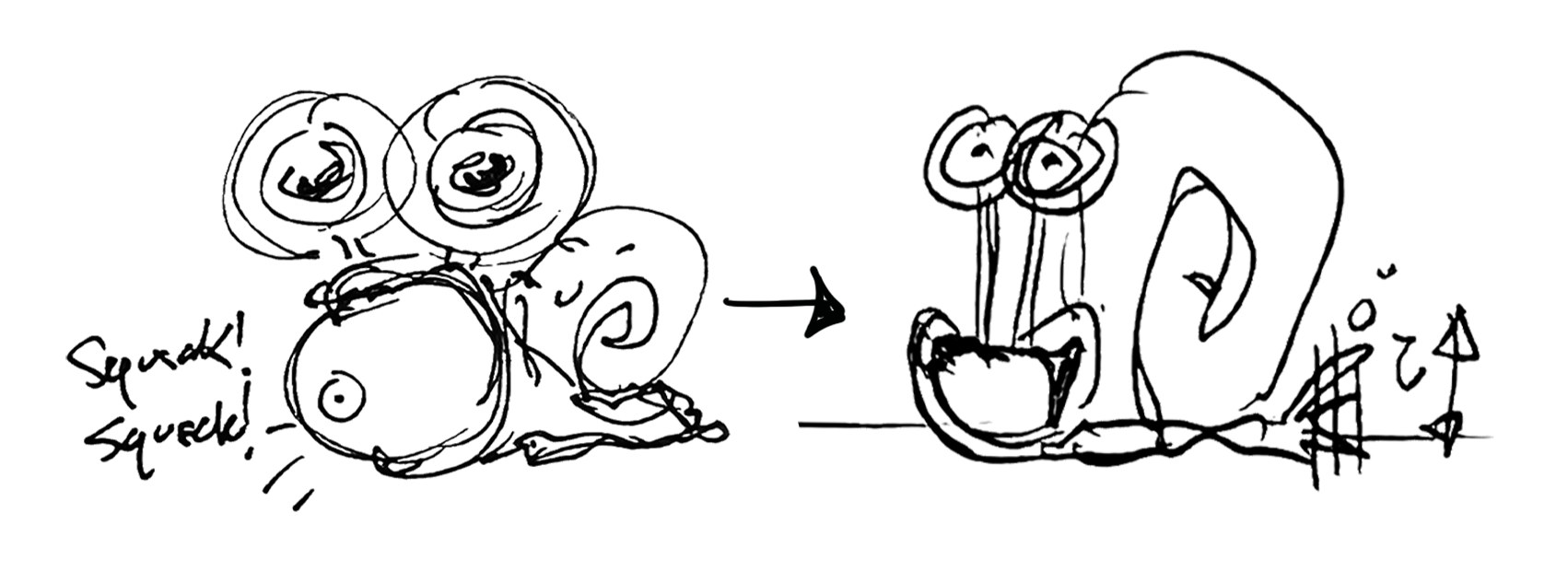
“I wanted to capture the simple stories of the earliest seasons of the show, when Stephen Hillenburg was still figuring it out and was heavily focused on character-driven tales. I wrote a simple premise: Gary loses his favorite ball in the Mariana Trench.”
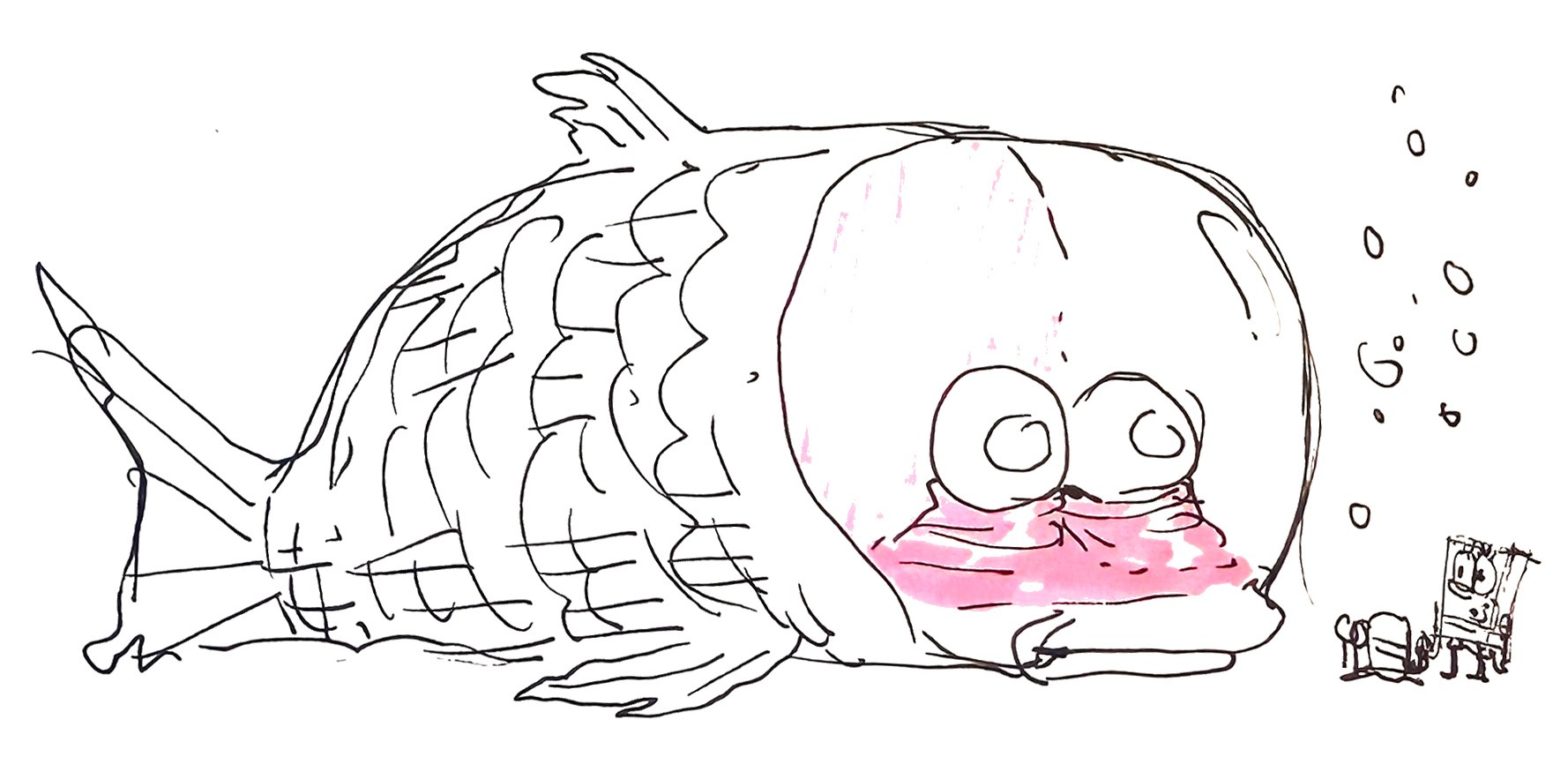
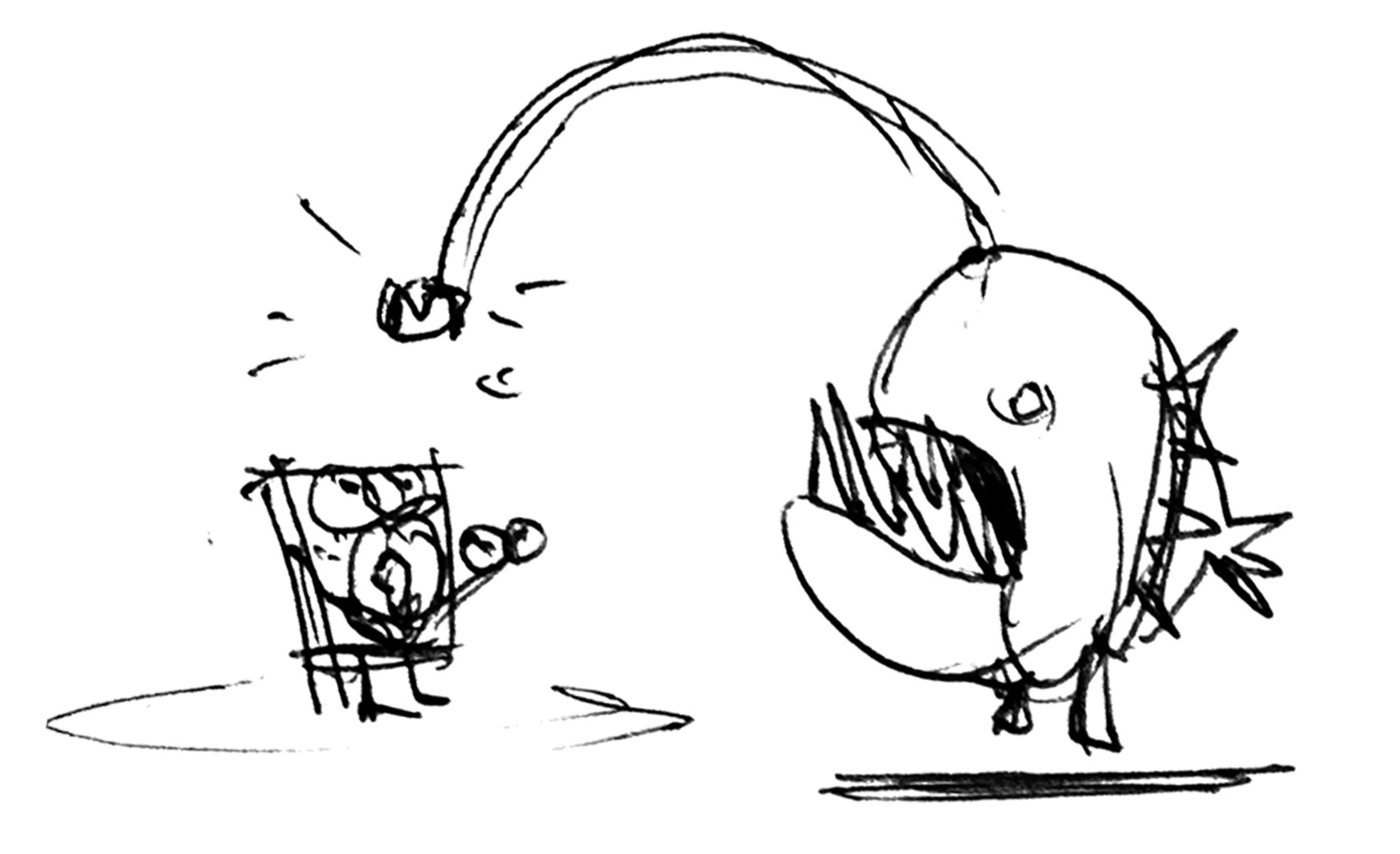
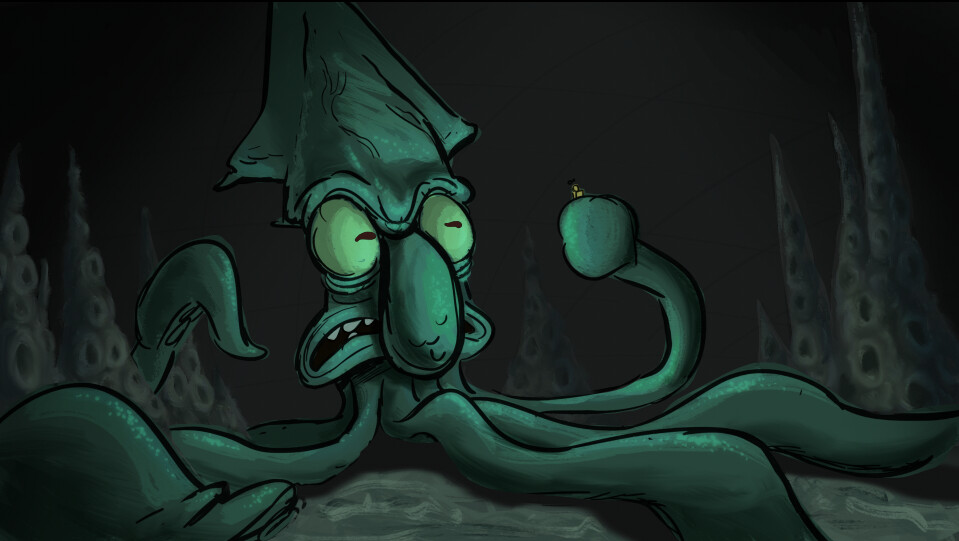
“I have always been fascinated by deep-sea life. It’s like outer space, with its own alien life forms and crazy-looking monster fish. Everything down there is so mysterious to me. I figured the nemesis of the story would appropriately be a bulldog-like anglerfish. Dogs chasing toy balls is a classic cartoon trope.”
“I had taken some story consulting advice from the show’s original co-developer, Derek Drymon, who reminded me to stick with SpongeBob’s simple goal of retrieving the sentimental ball and not get too distracted by all of the deep-sea creatures and locations.”
“The real point of the story is that SpongeBob’s relationship with Gary is a lot like a father-son relationship. This ball is Gary’s first toy, so it carries irreplaceable sentimental memories. If the toy is lost, those memories of the past are lost too.”
“At the time, I was facing my own sense of grief and trouble letting go of things in my real life. The hard but simple lesson is that the ball is just a toy, and life is about enjoying what you have and building new happy memories.”
“SpongeBob, being a comedic obsessive, was relatable to me. His obsession with getting the ball back, going through Hell to save it, was a noble, simple quest that taught me so much about story while still letting me have my visual spectacle.”
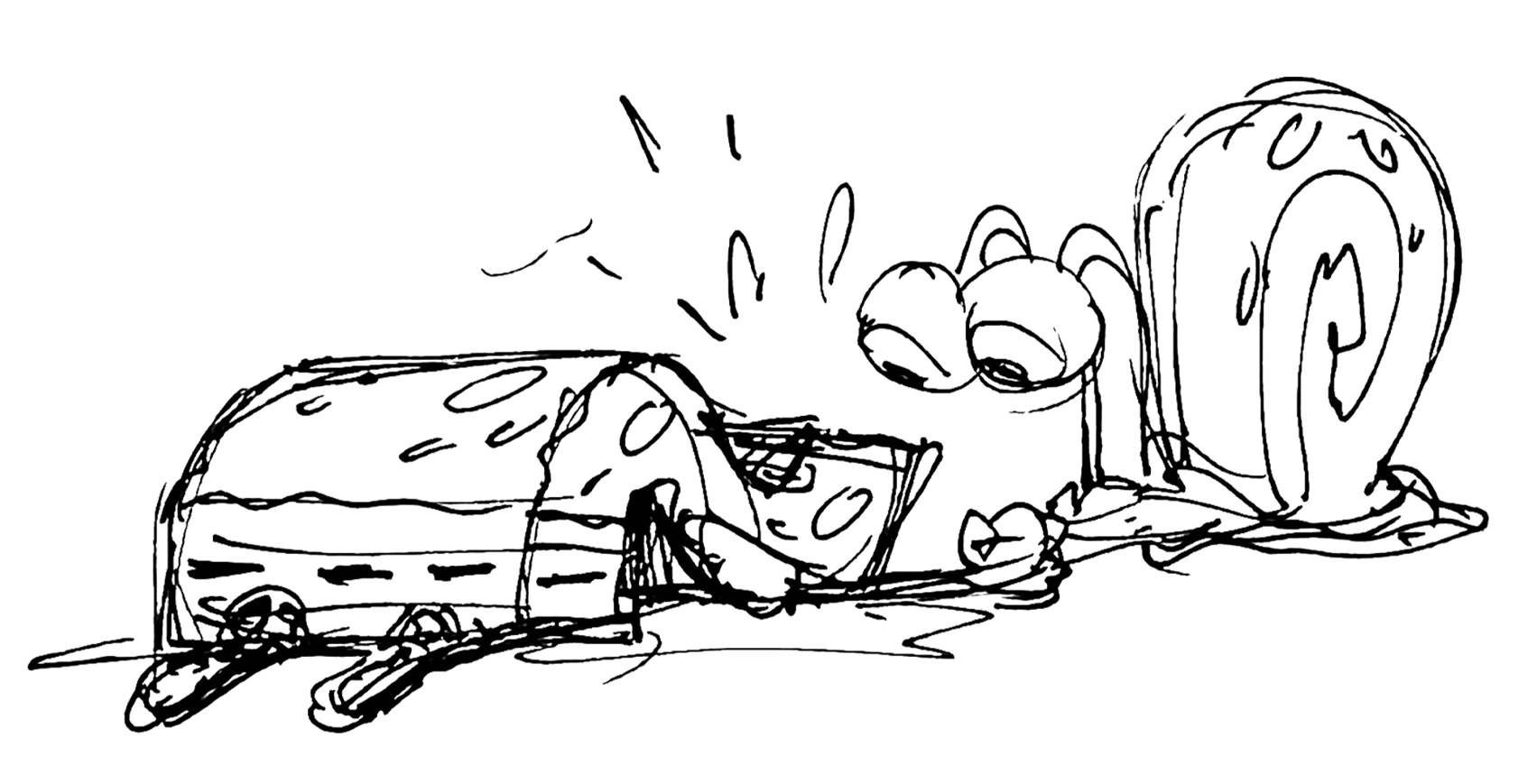
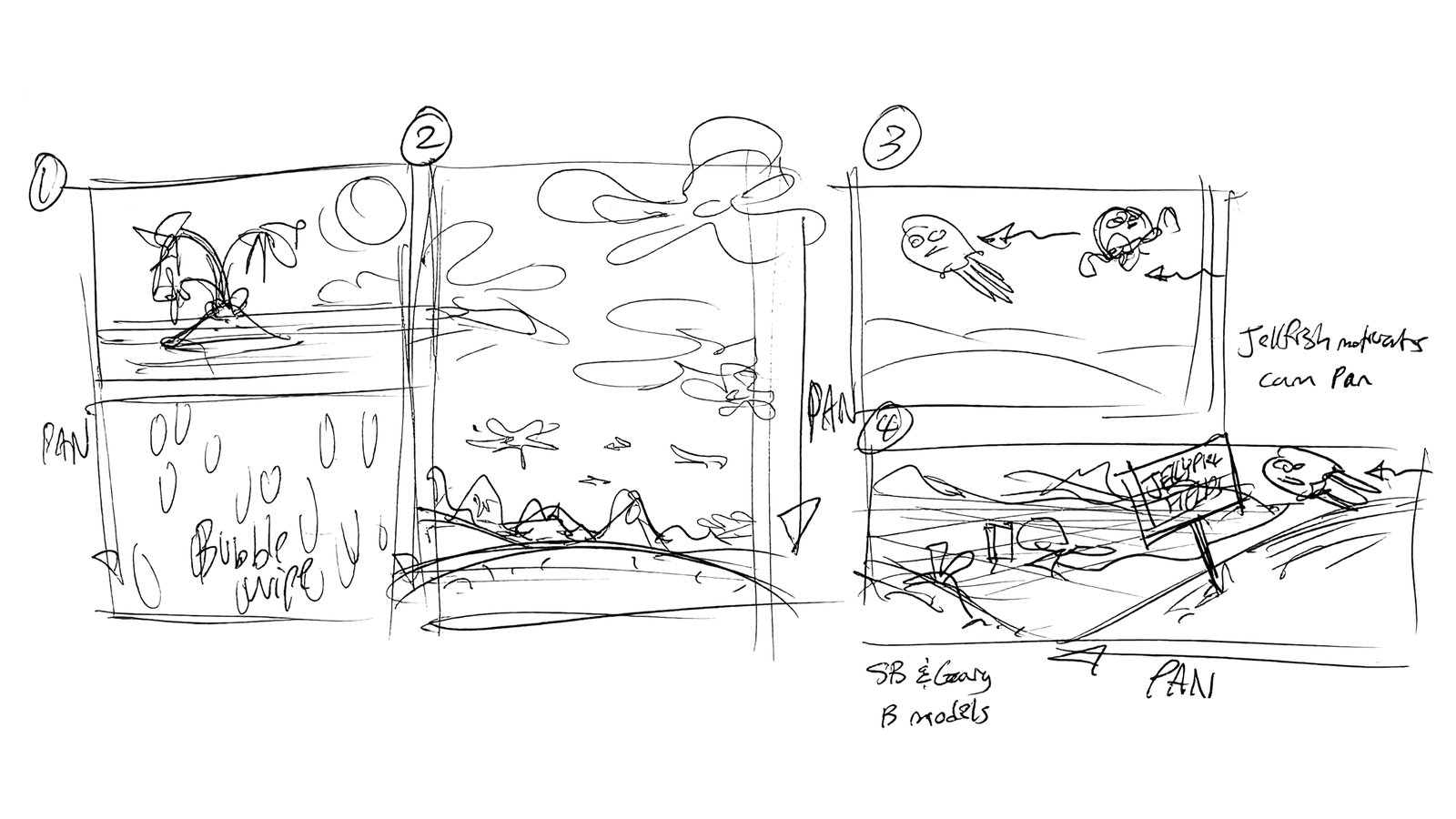
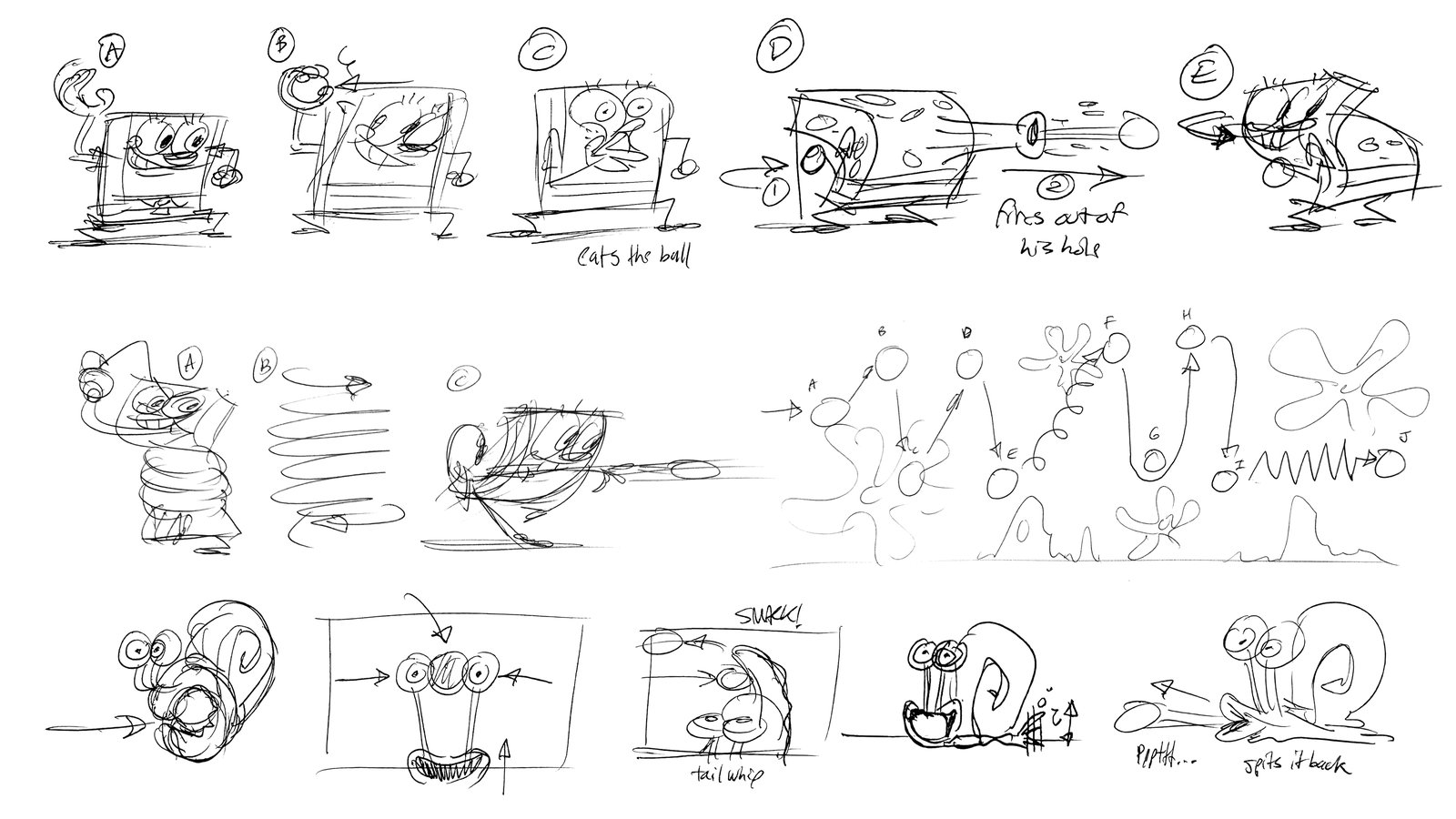
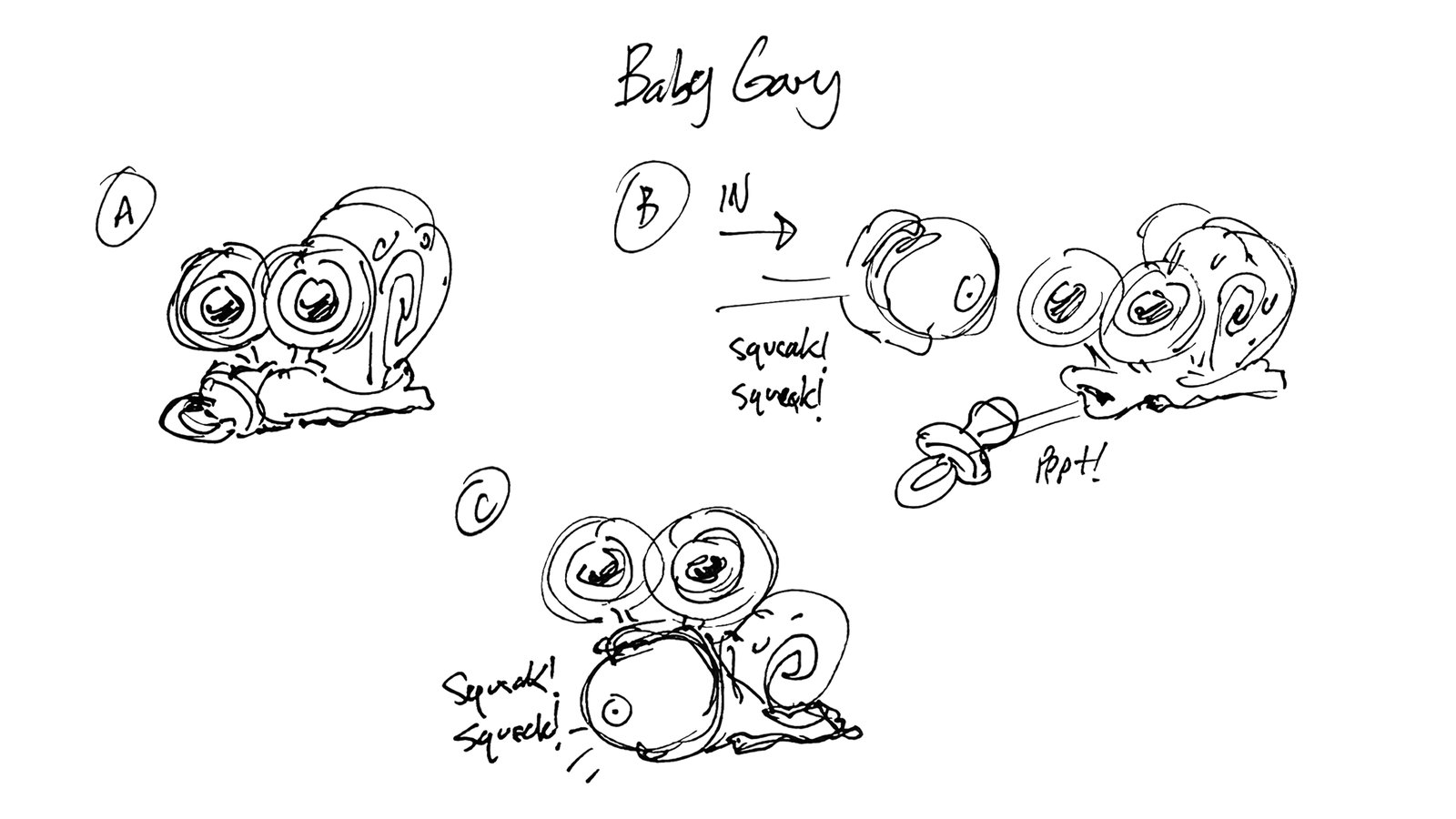
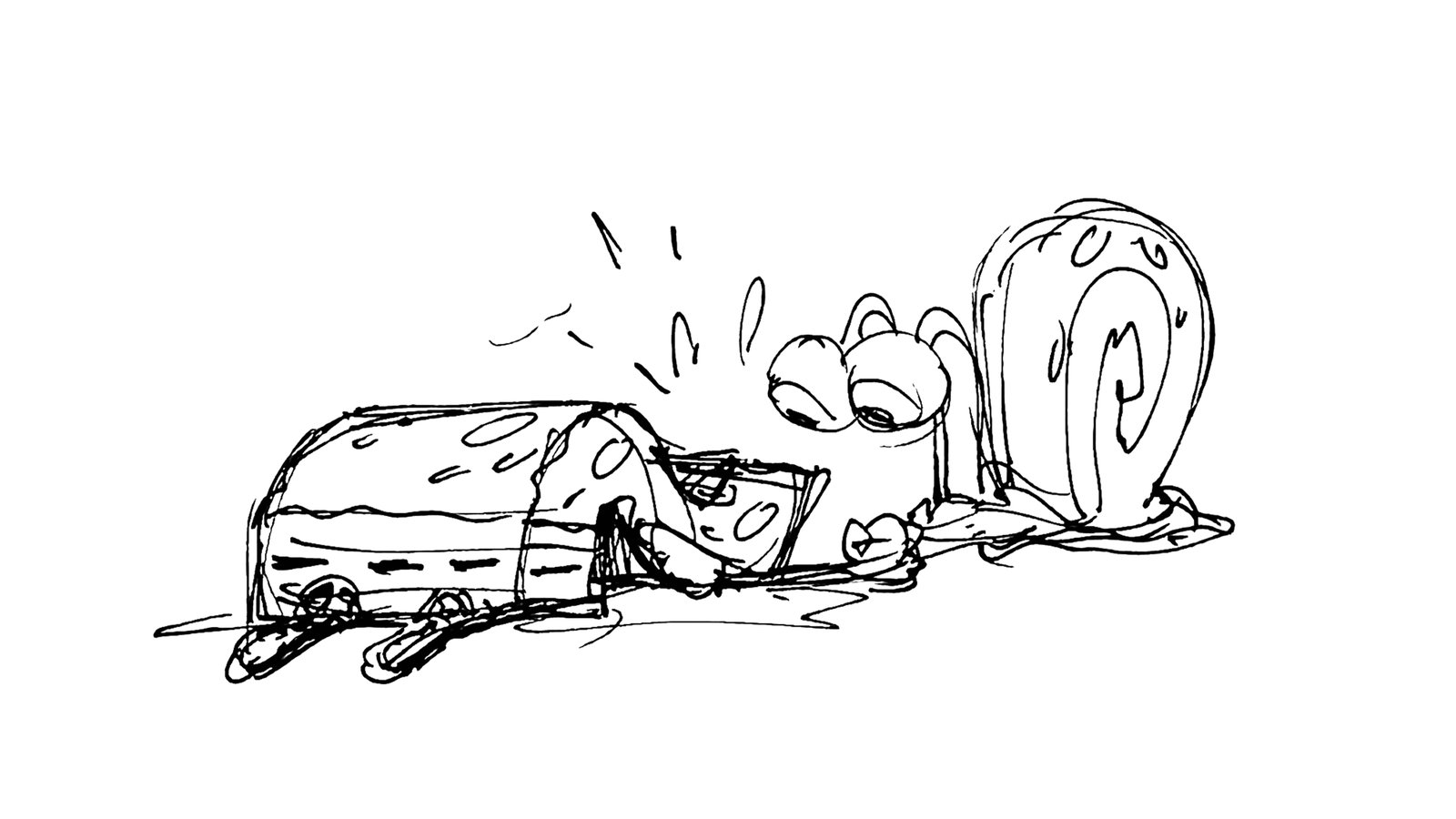
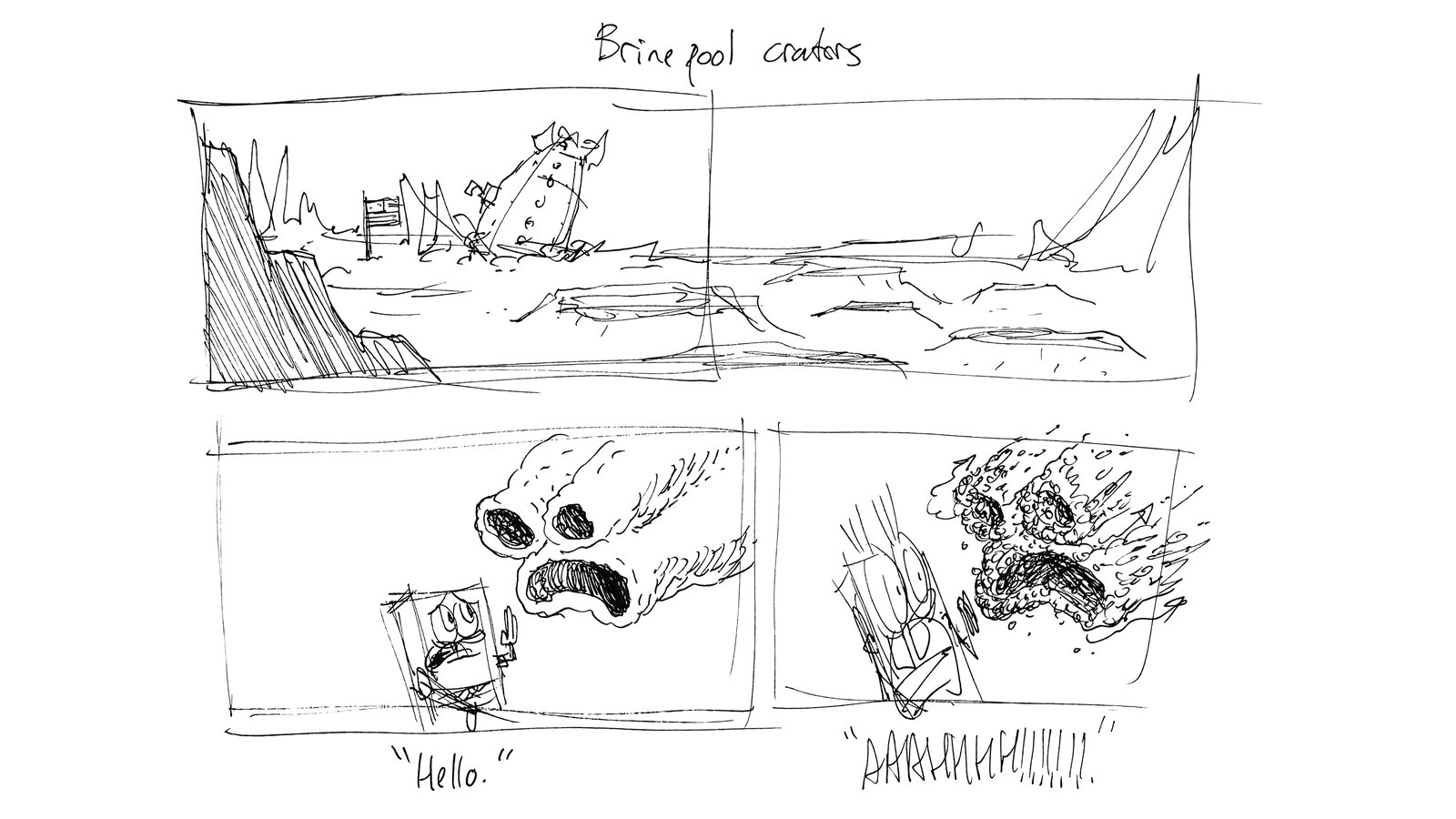
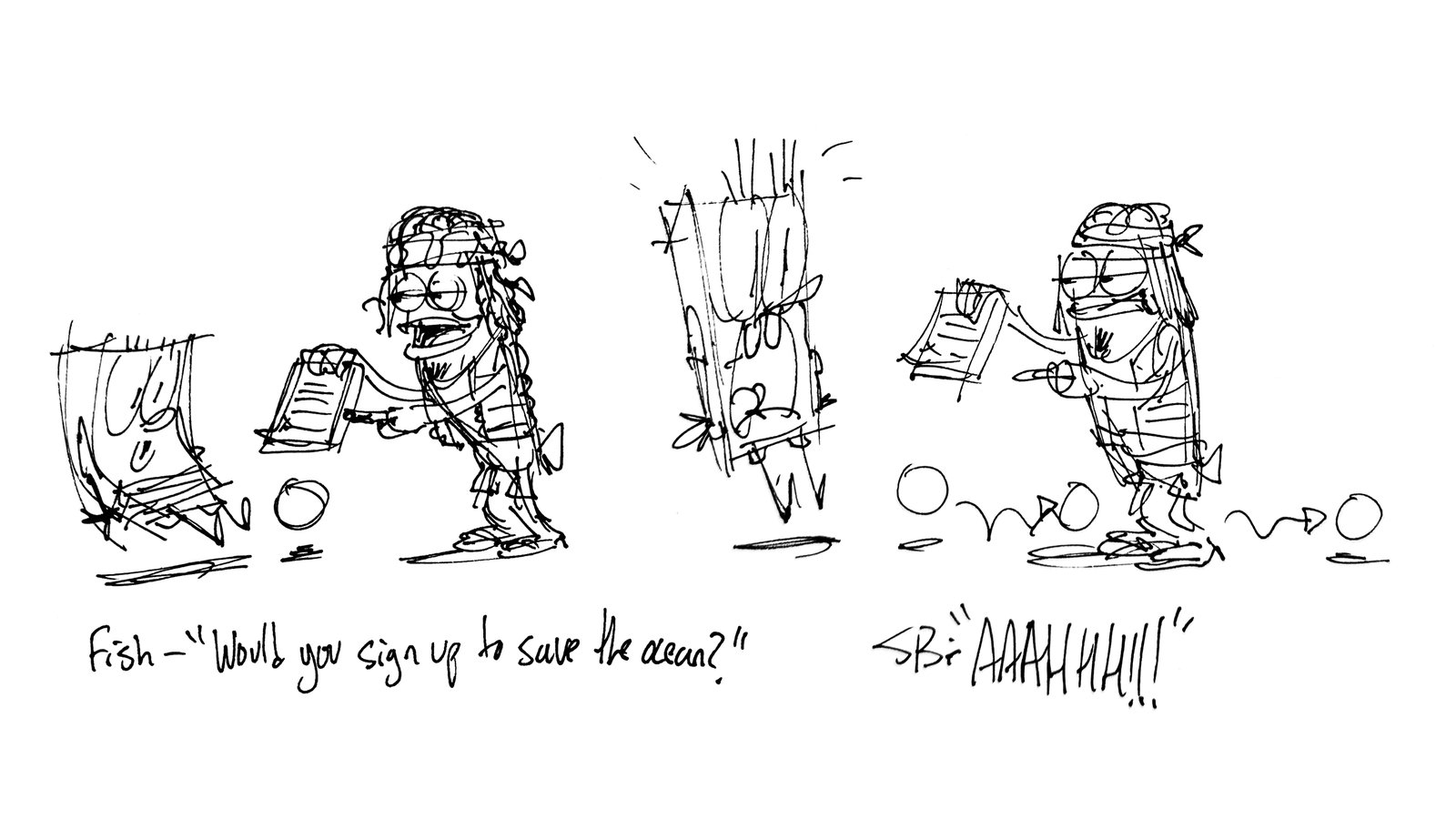
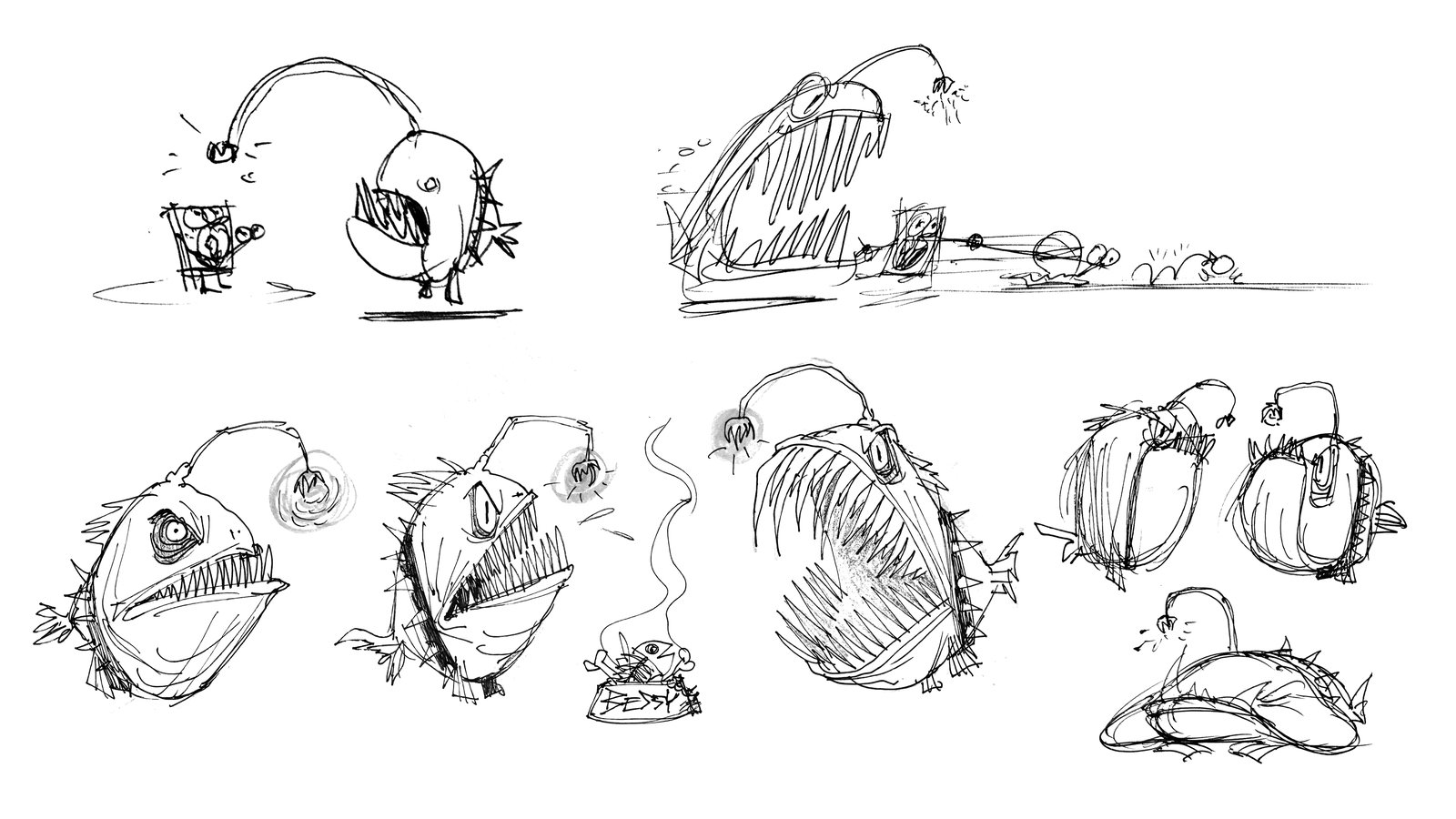
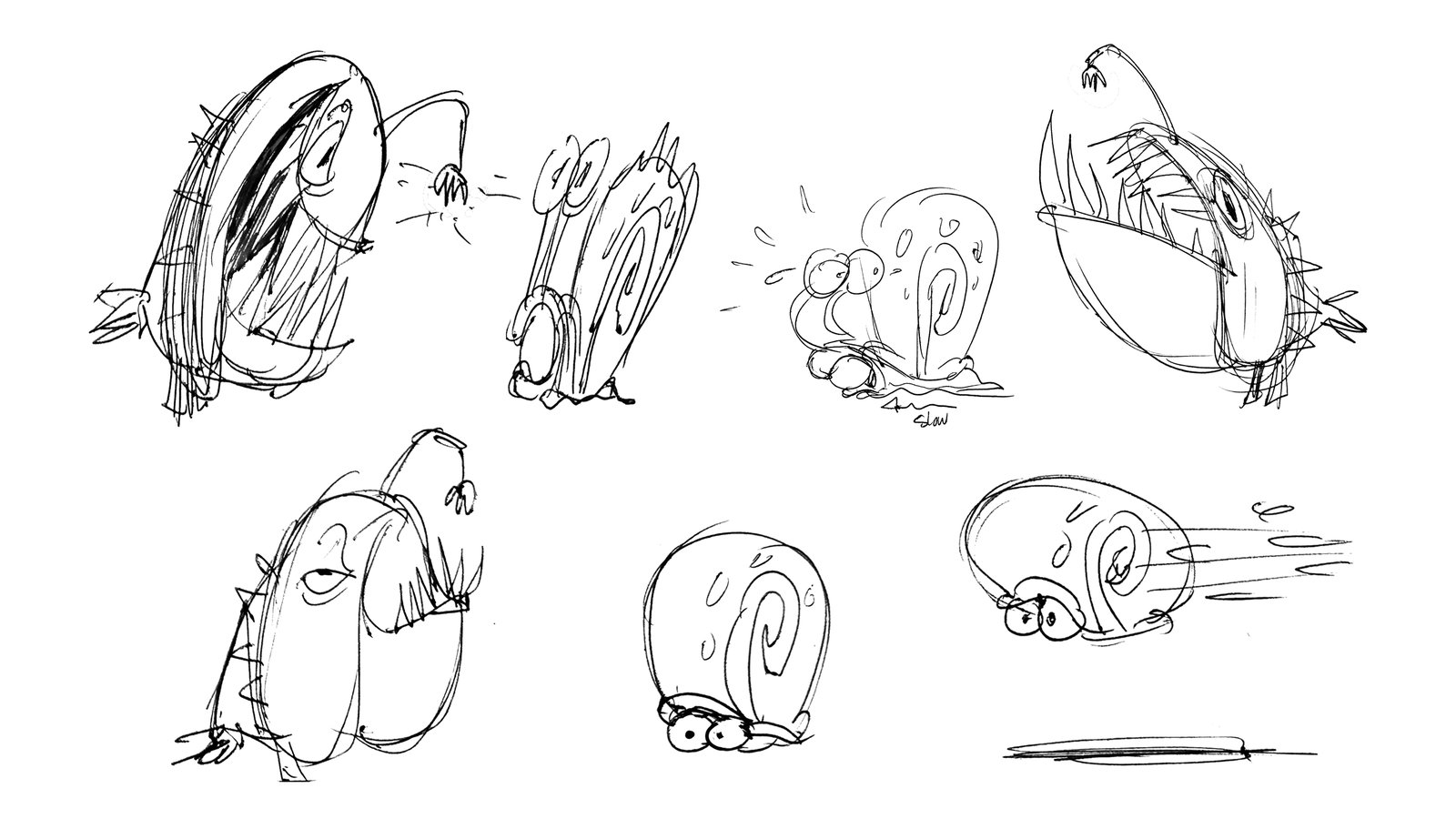
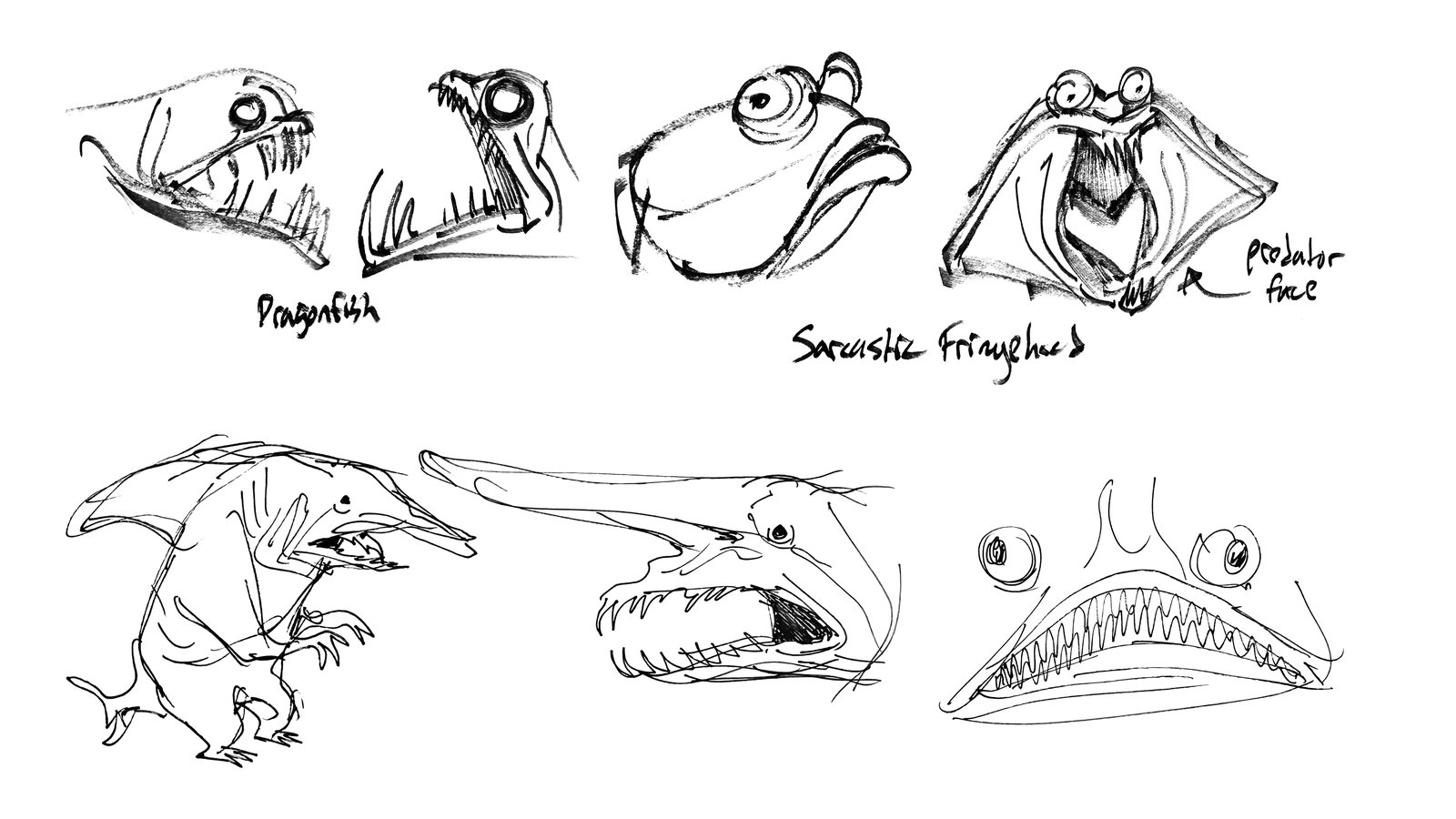
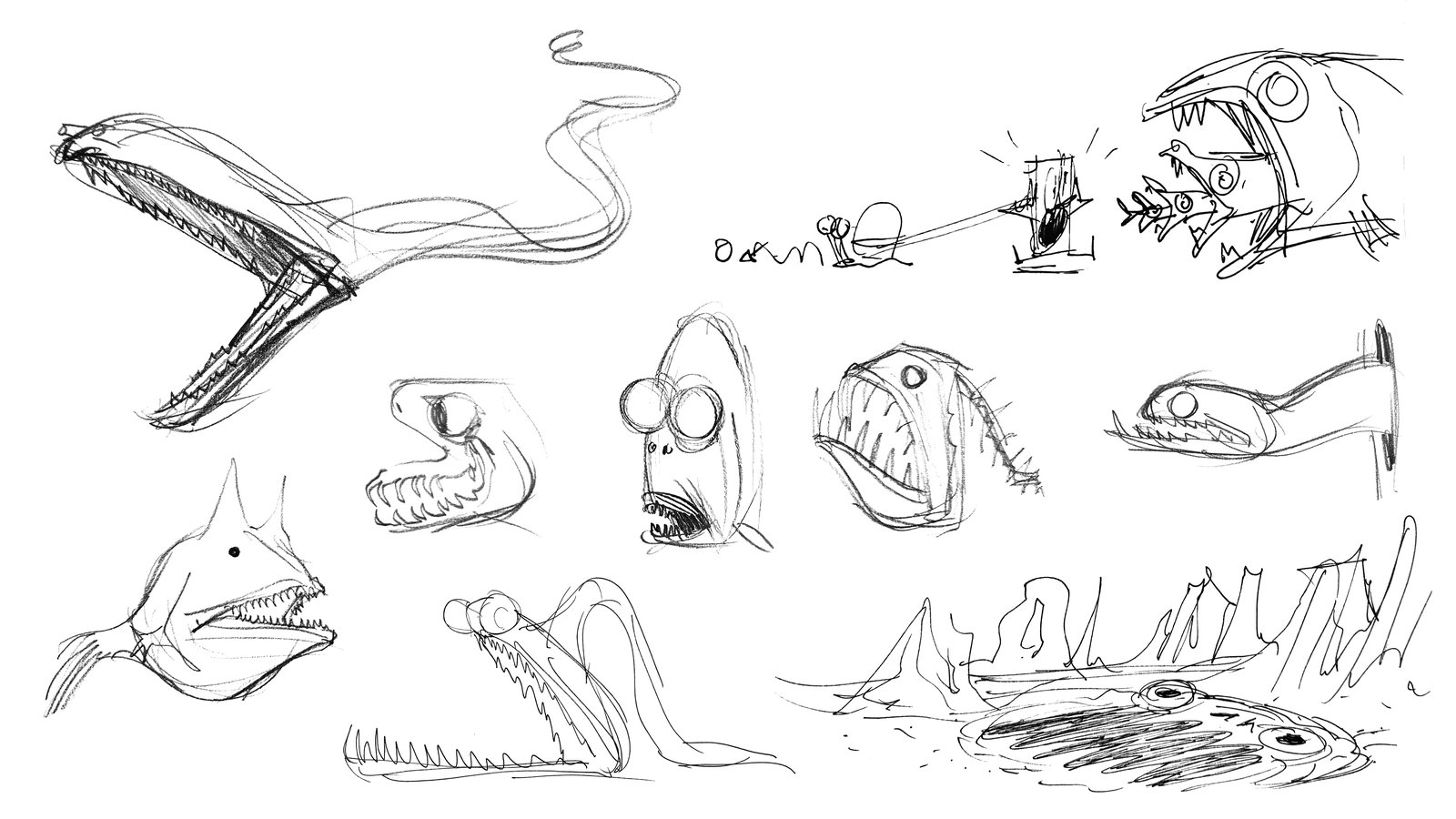
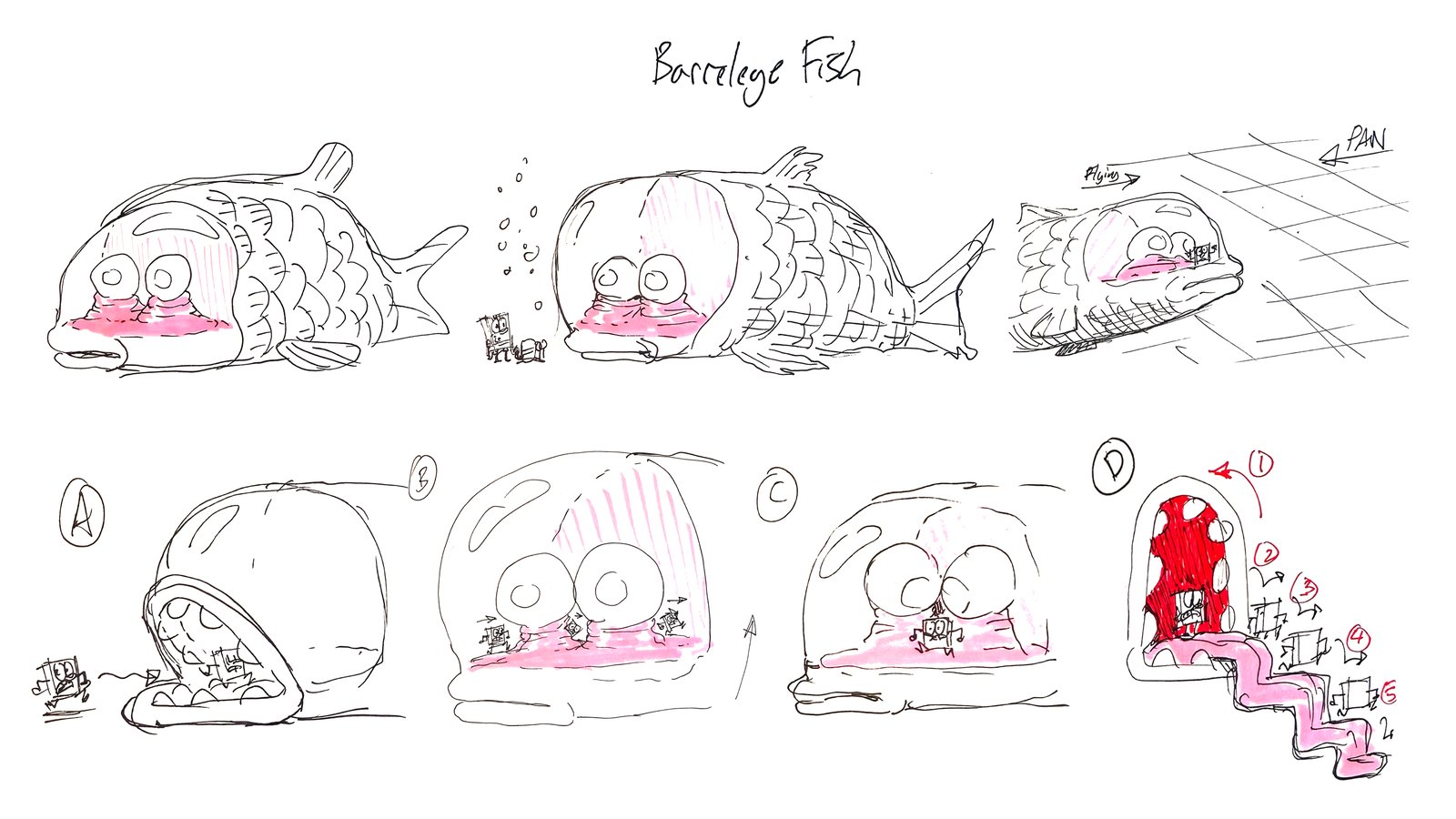
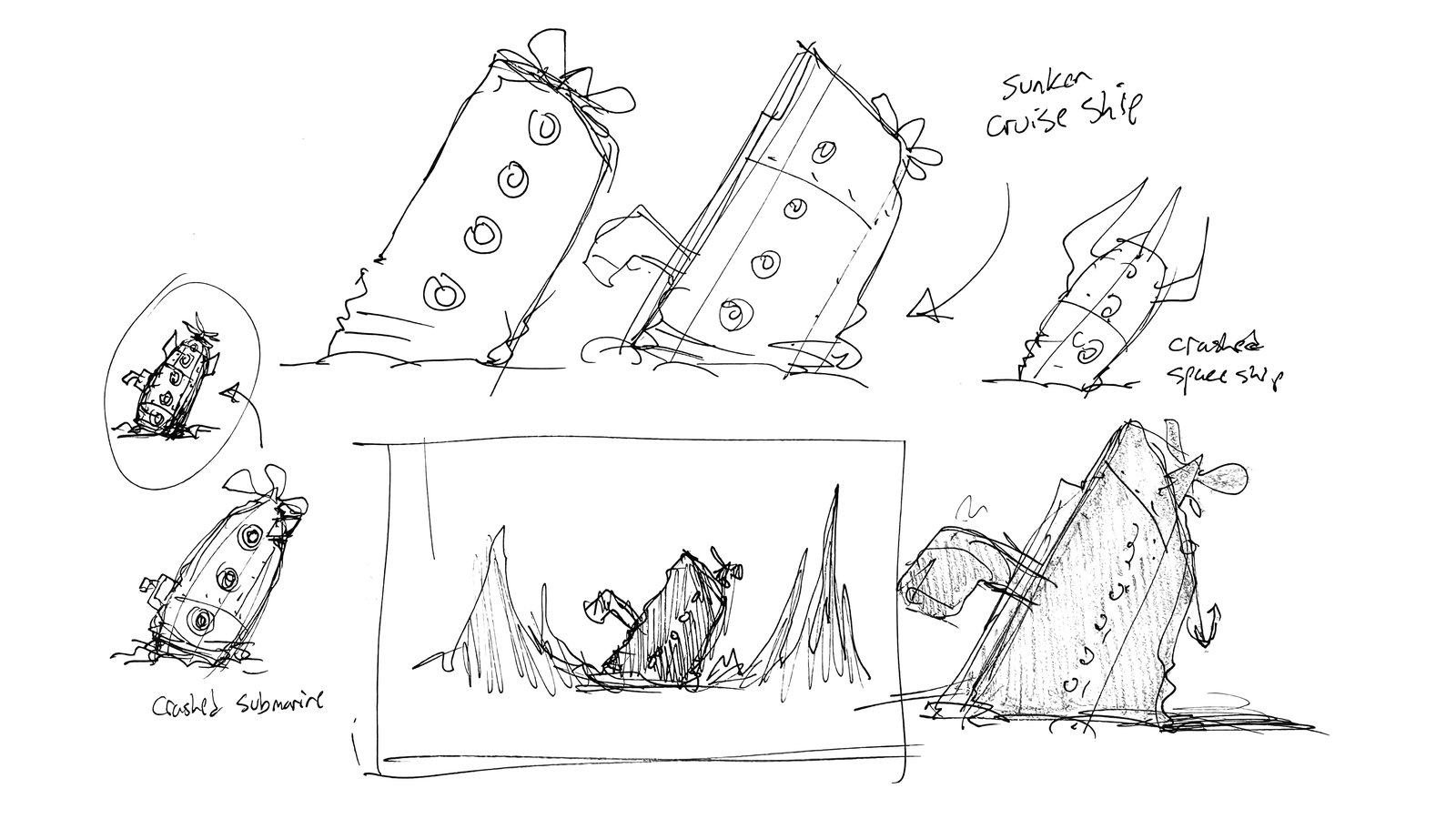
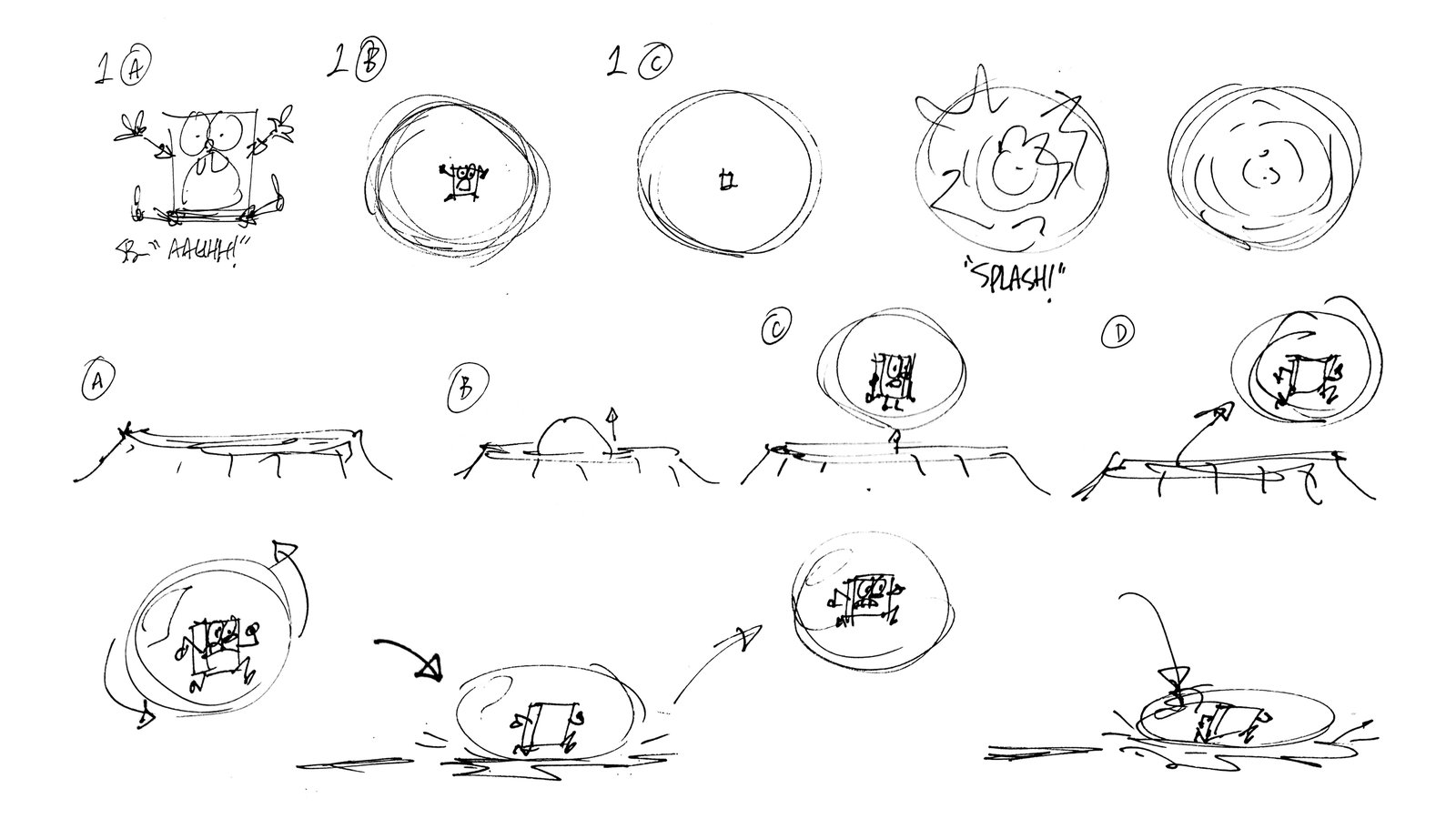
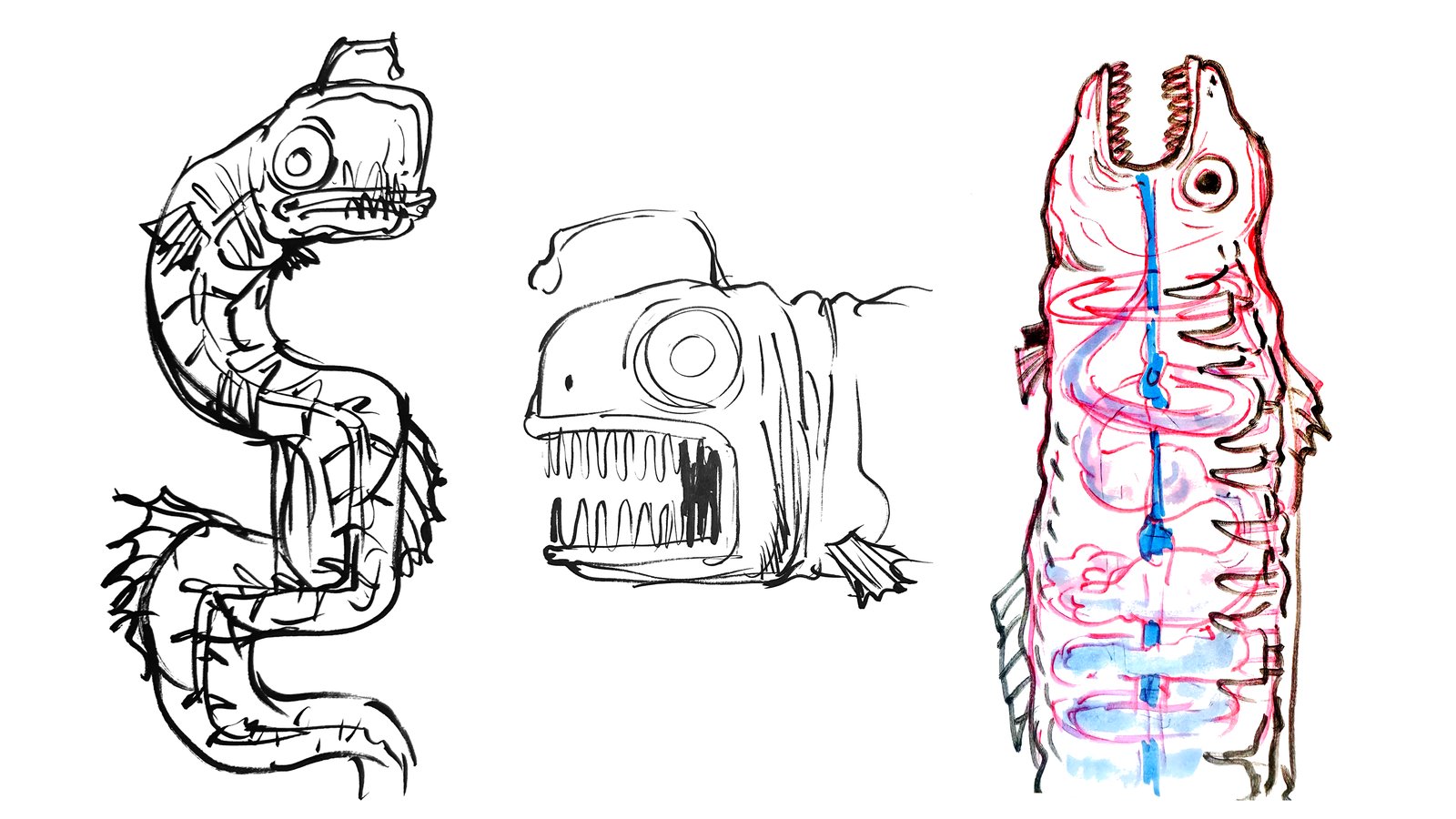
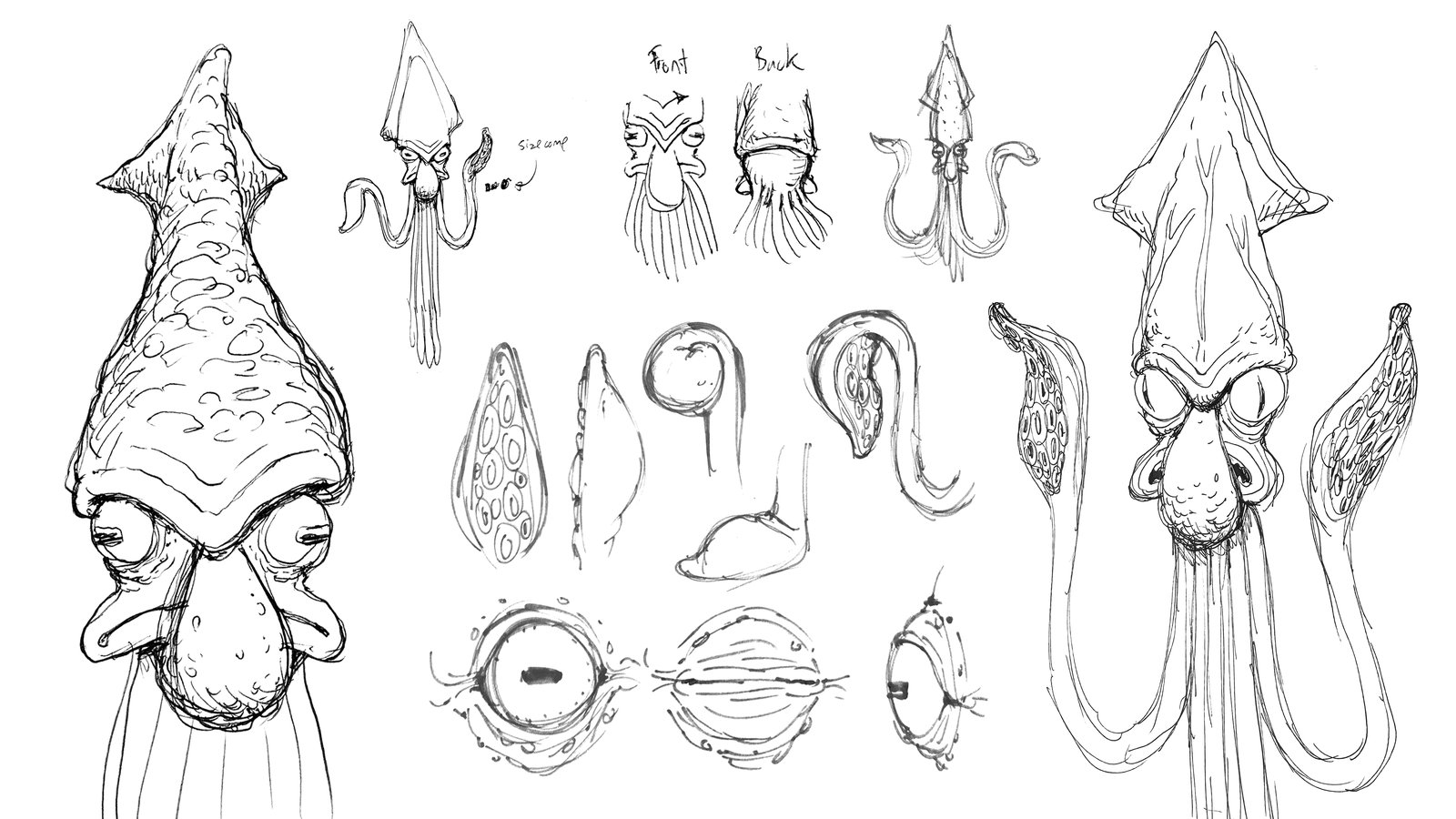
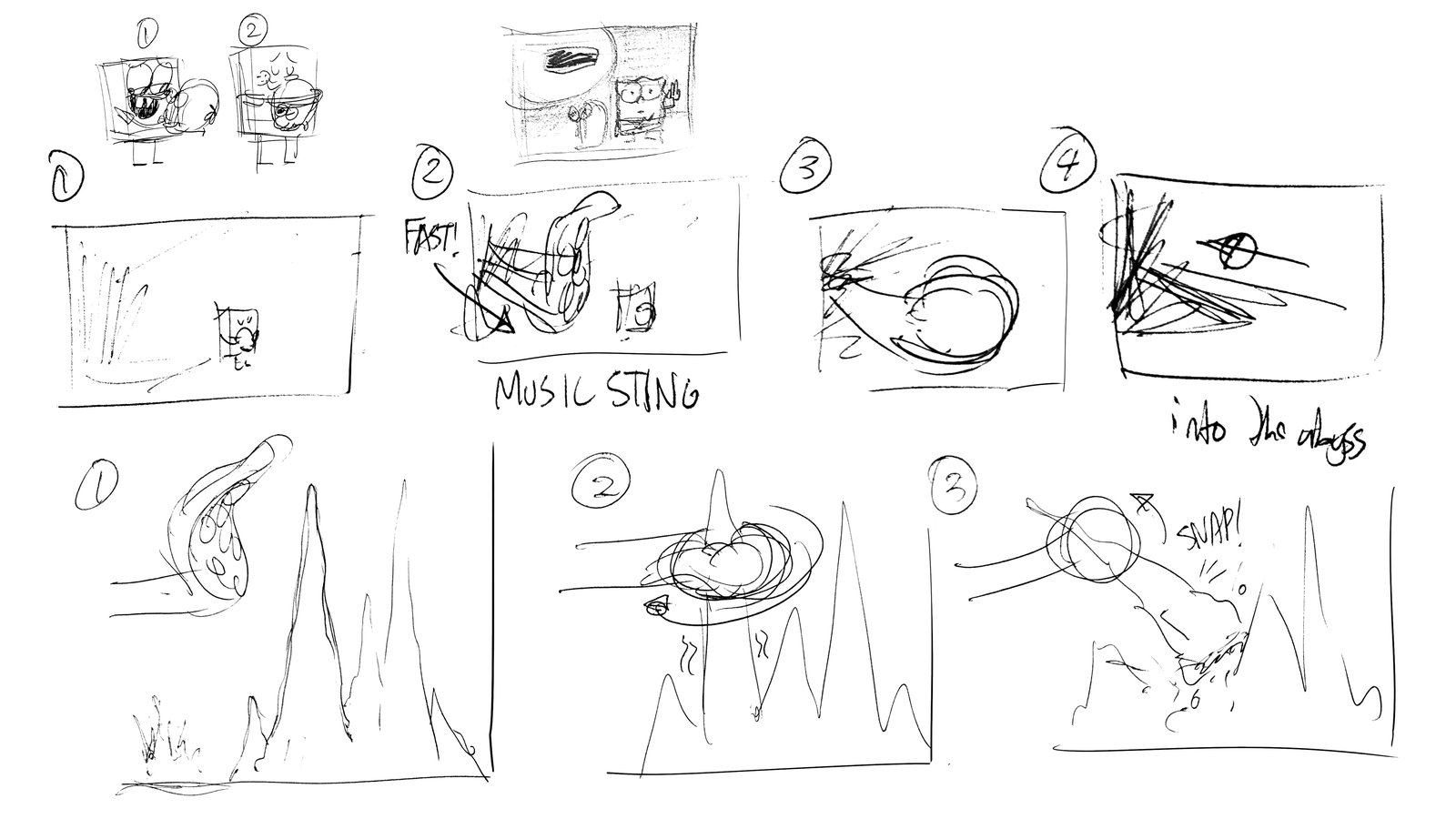
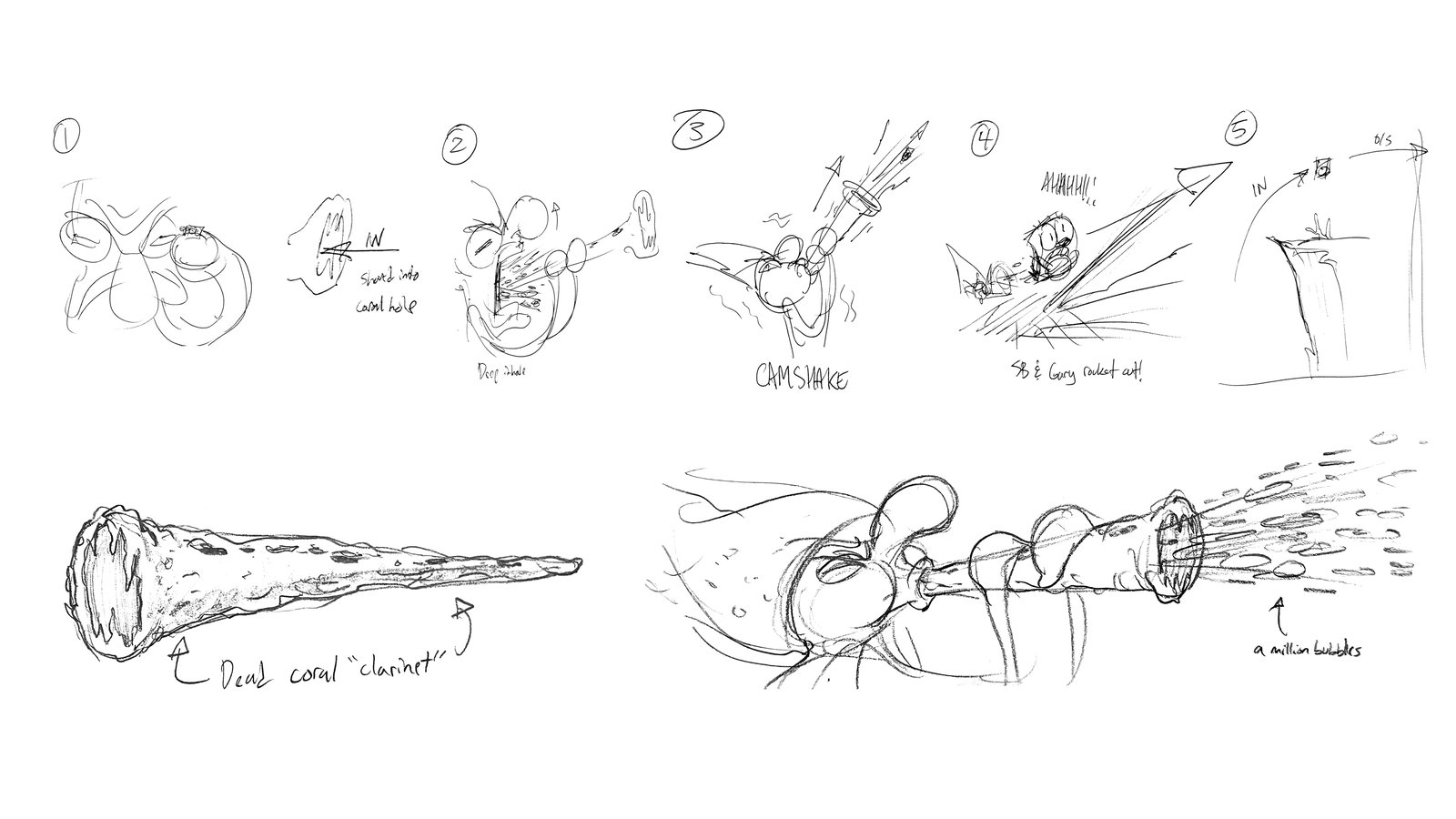
“My goal was to honor the show in a way that felt official, not like a fan-made experiment or quirky art project.”
The Approach
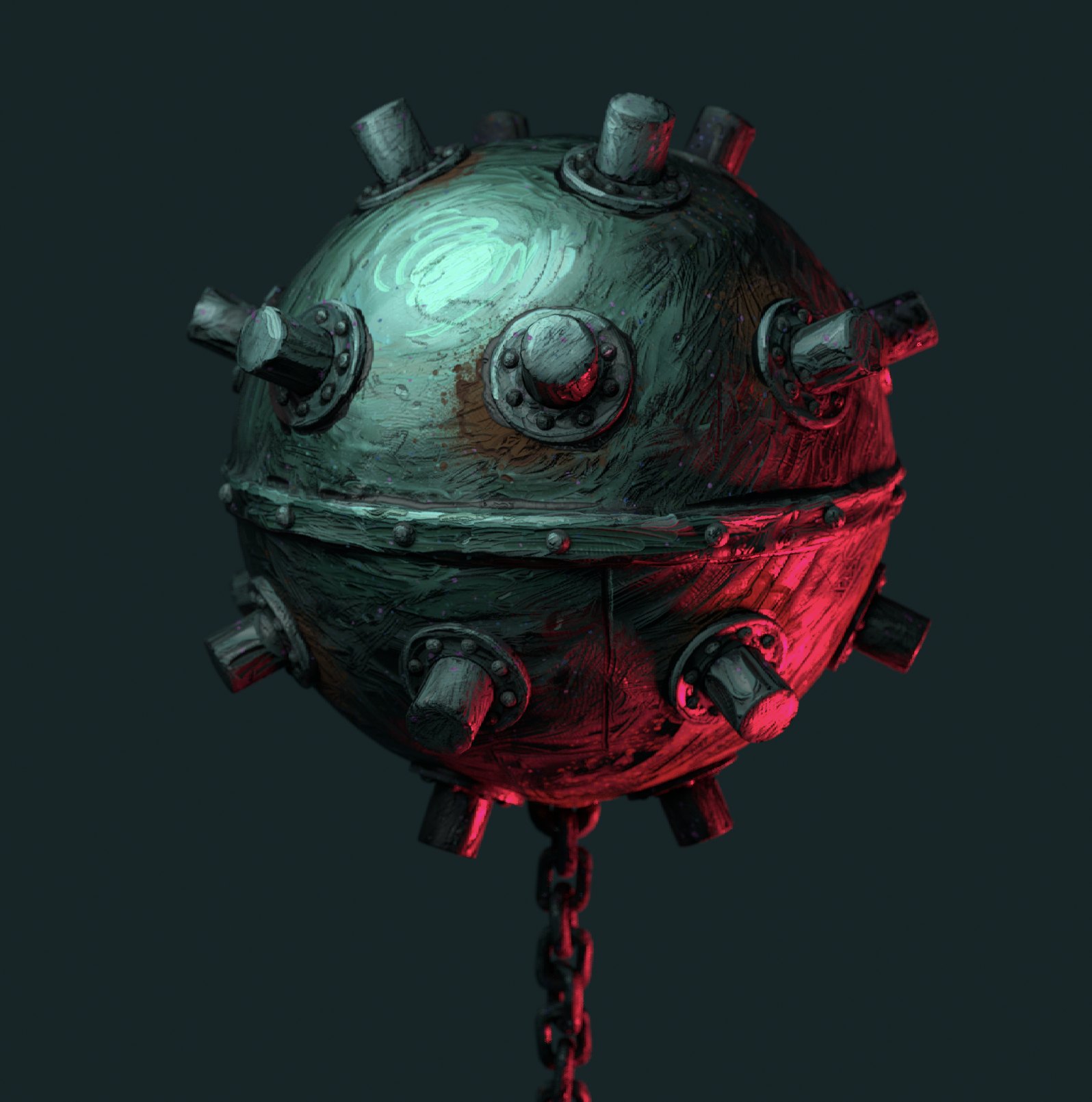
Adam set out to keep everything that makes SpongeBob work, simple stories and cartoony acting, and rebuild the look from the ground up: 2D design principles, the handmade texture of stop-motion, the composition and light of matte paintings, and the real depth of a CG camera.
Before production he wrote an art direction bible covering set assembly, character surfacing, color keys and animation design to camera. It became the blueprint every artist was onboarded with.
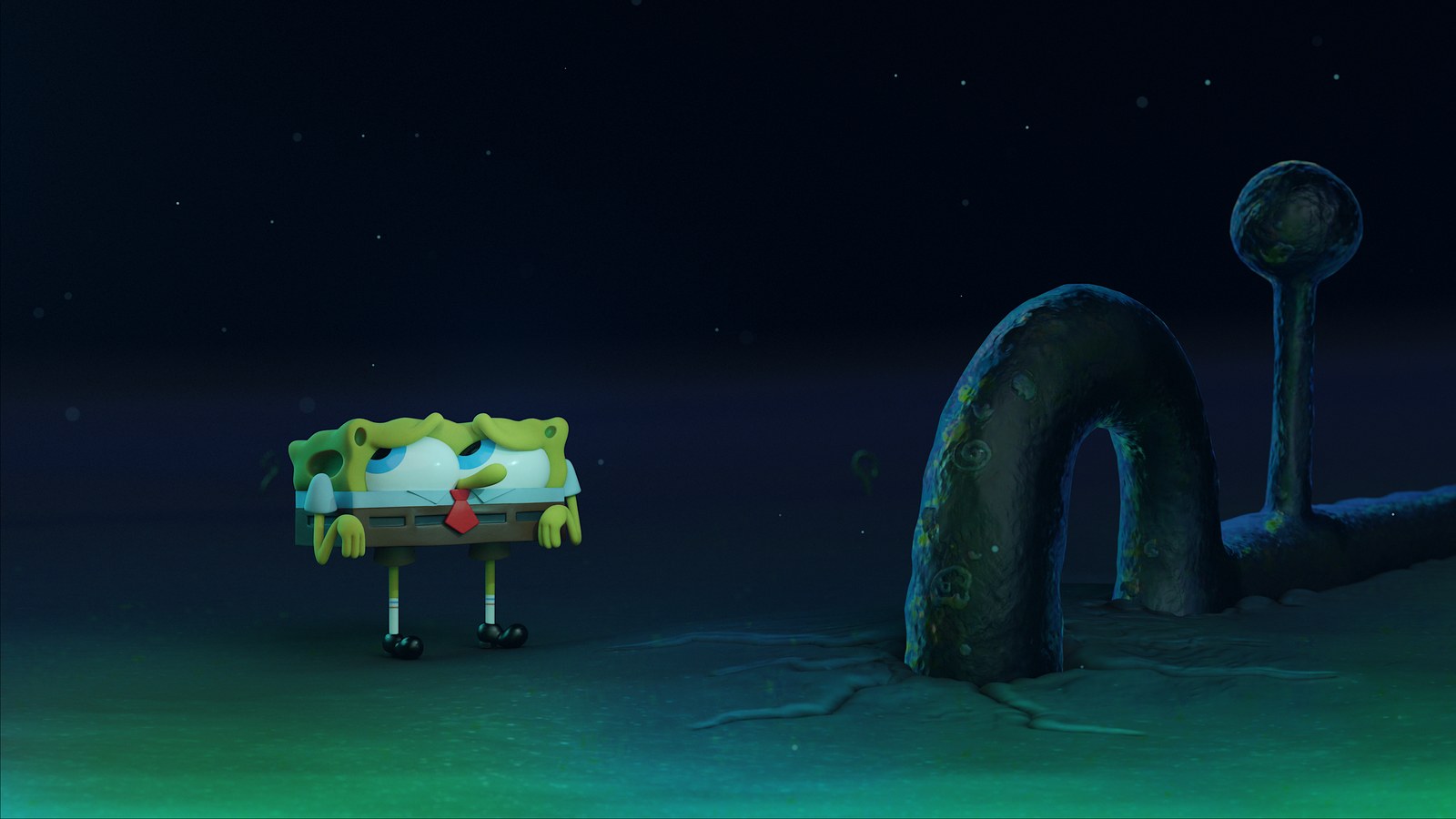

Production Design
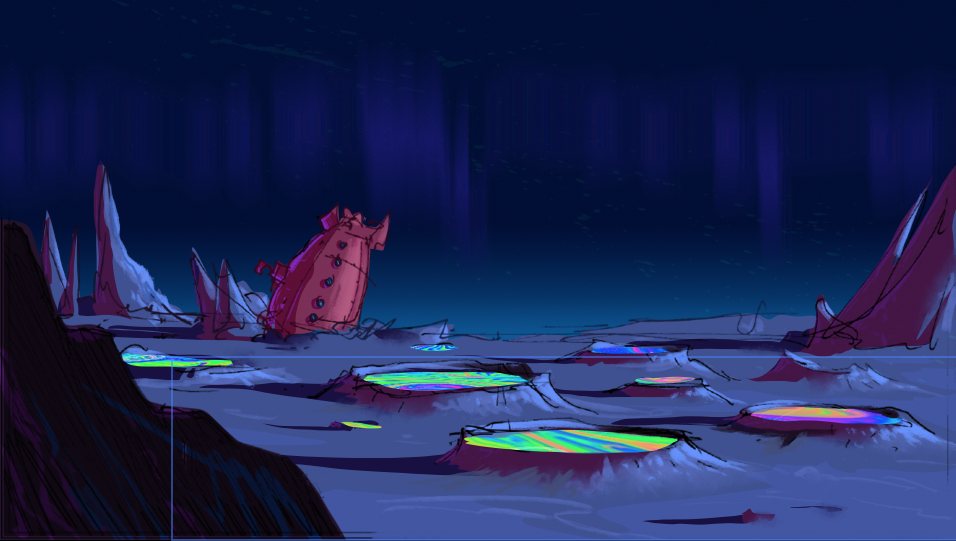
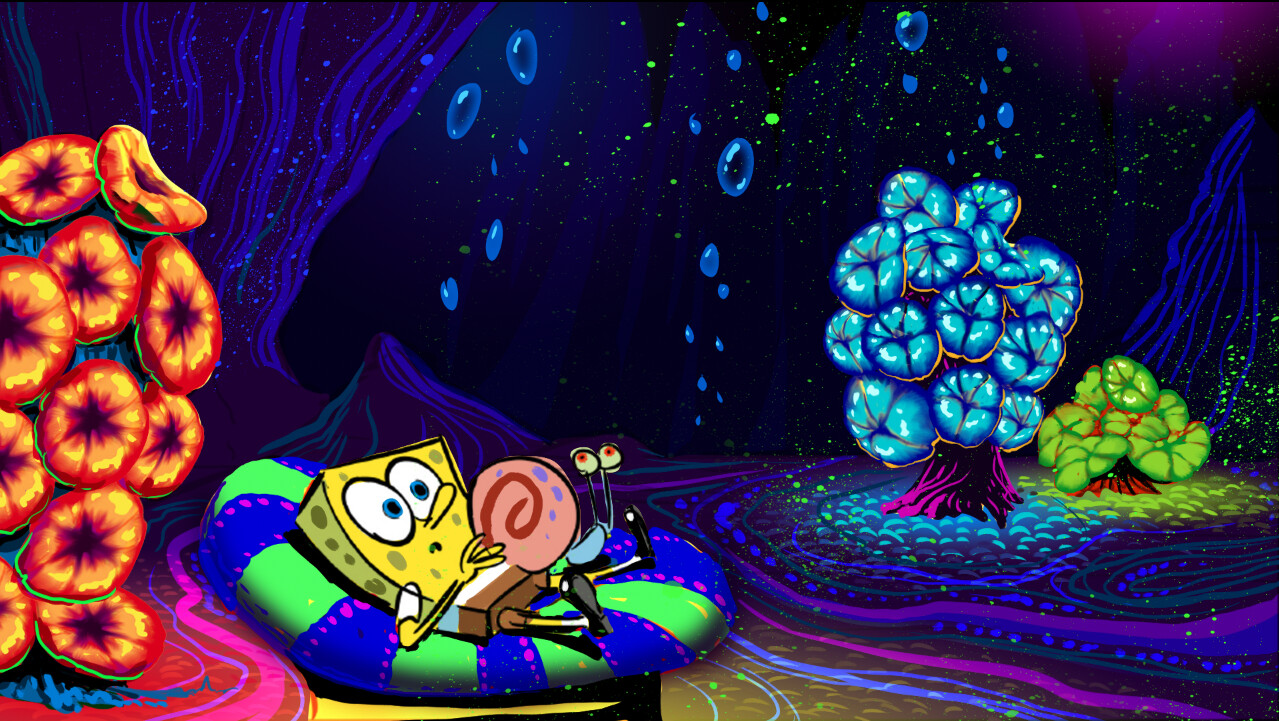
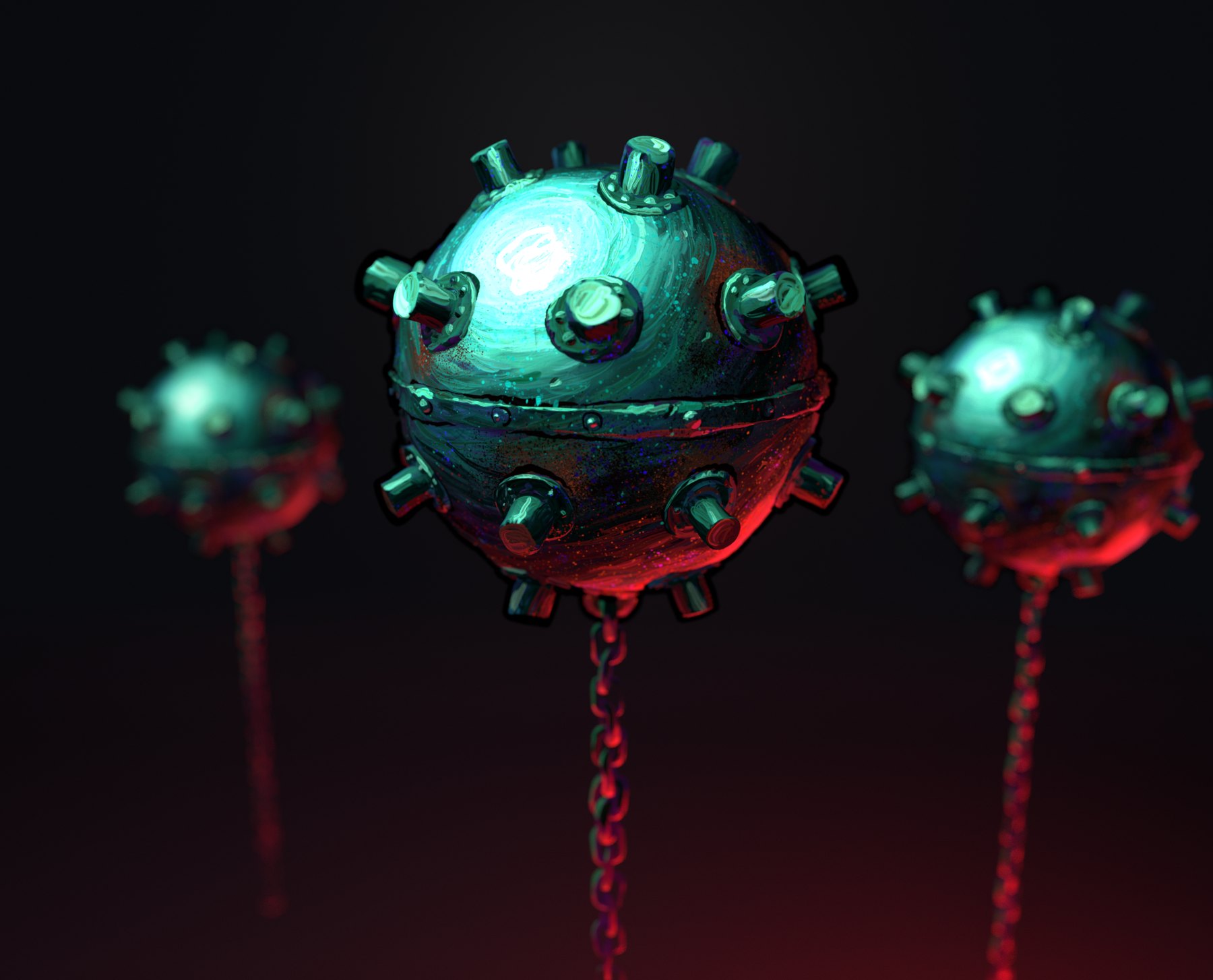
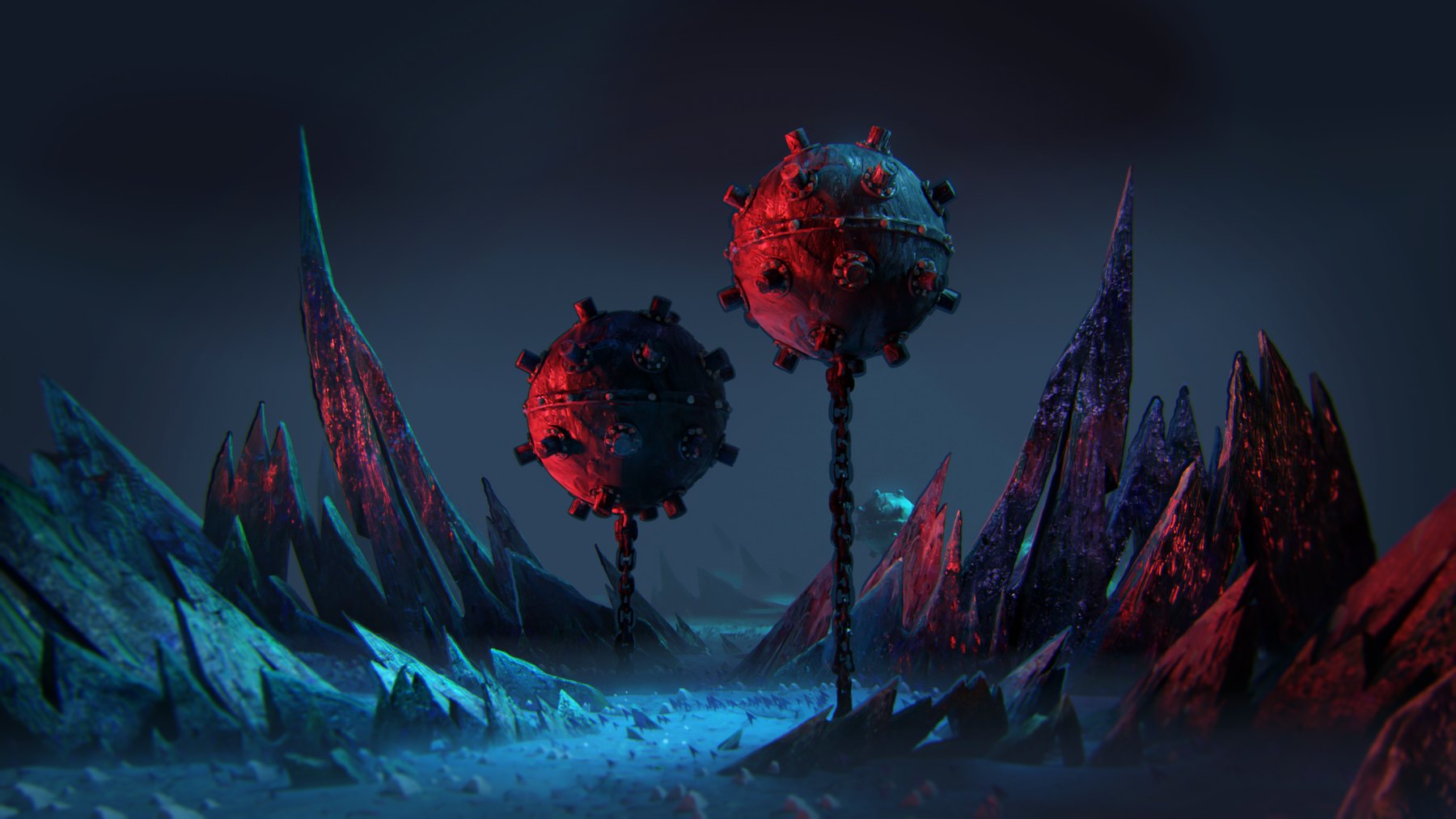
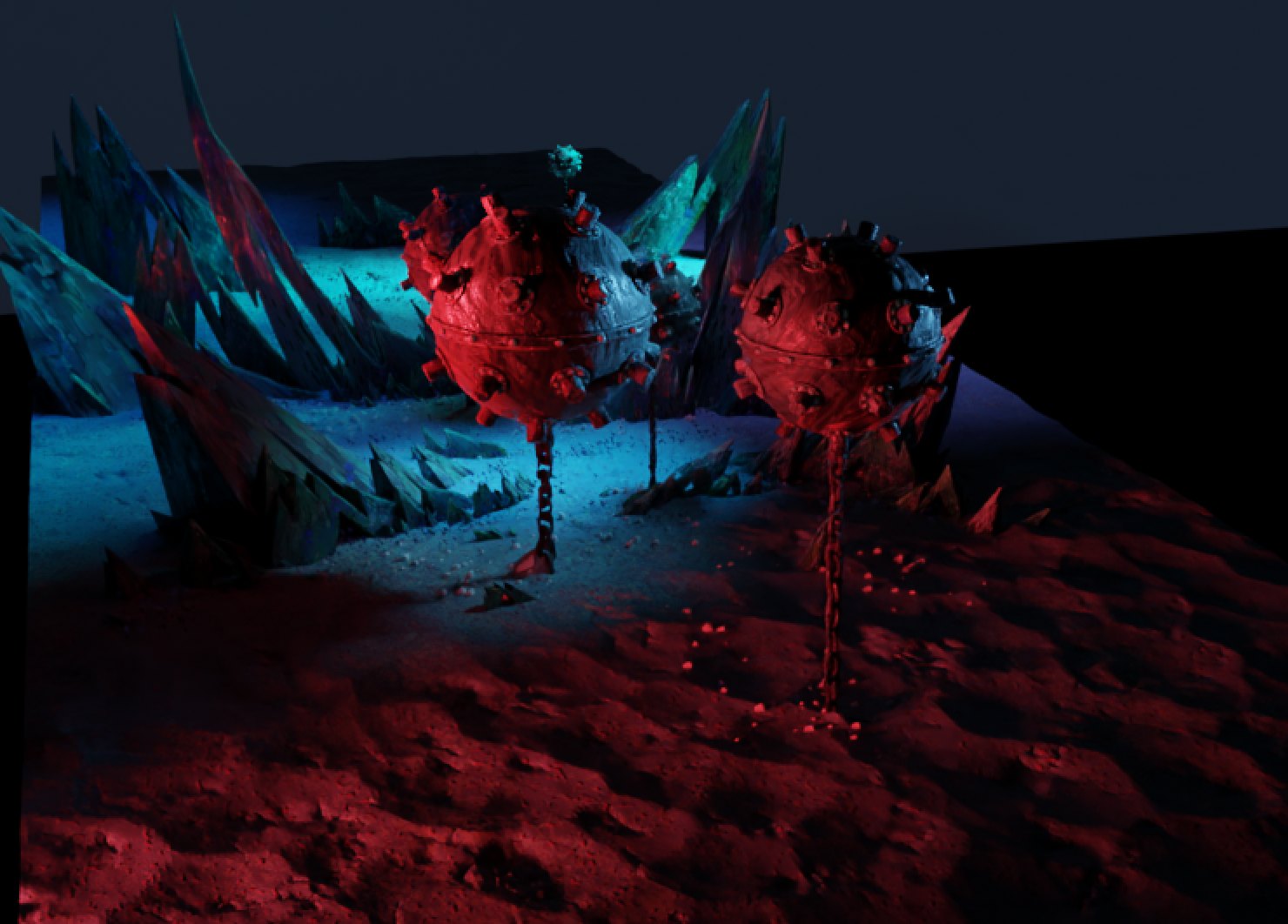
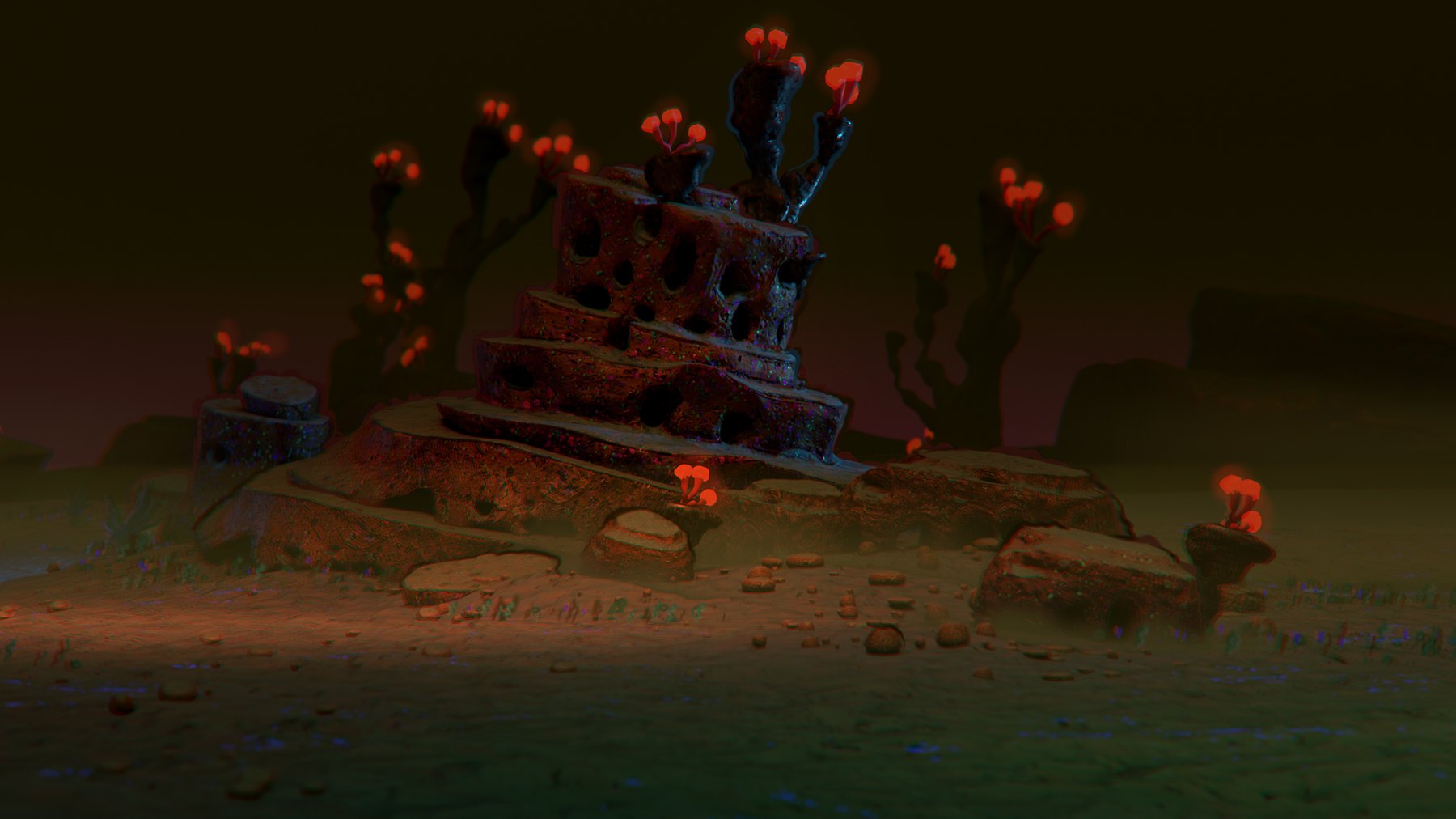
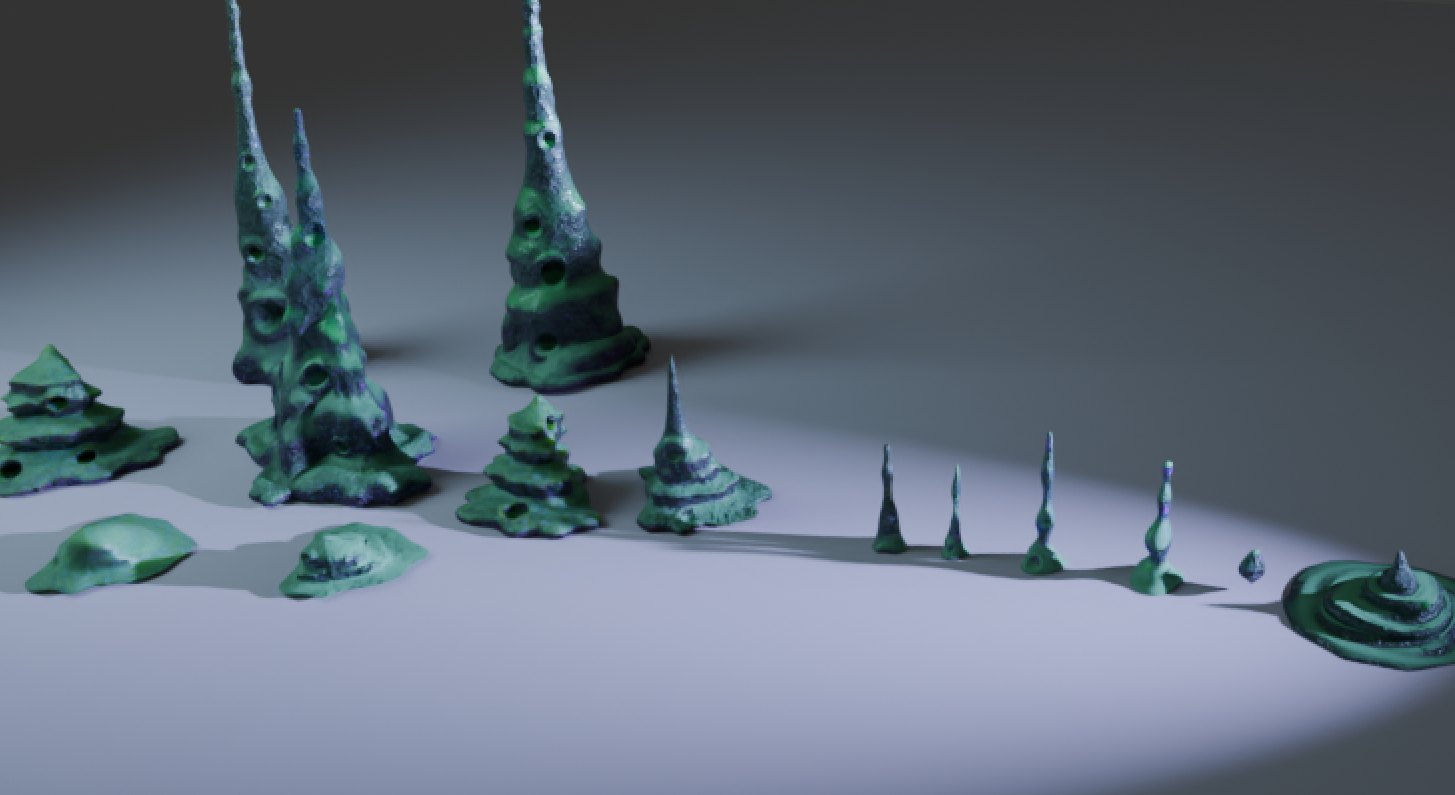
Adam handed the art directors a sketch of how the meadow should be assembled: rolling turf with the grass brushed in one direction, rocks and coral built as separate pieces, and a flat painted flower sky behind, a nod to the very first SpongeBob sets and the handmade worlds of The Gumby Show. Every concept environment was also the actual 3D set.

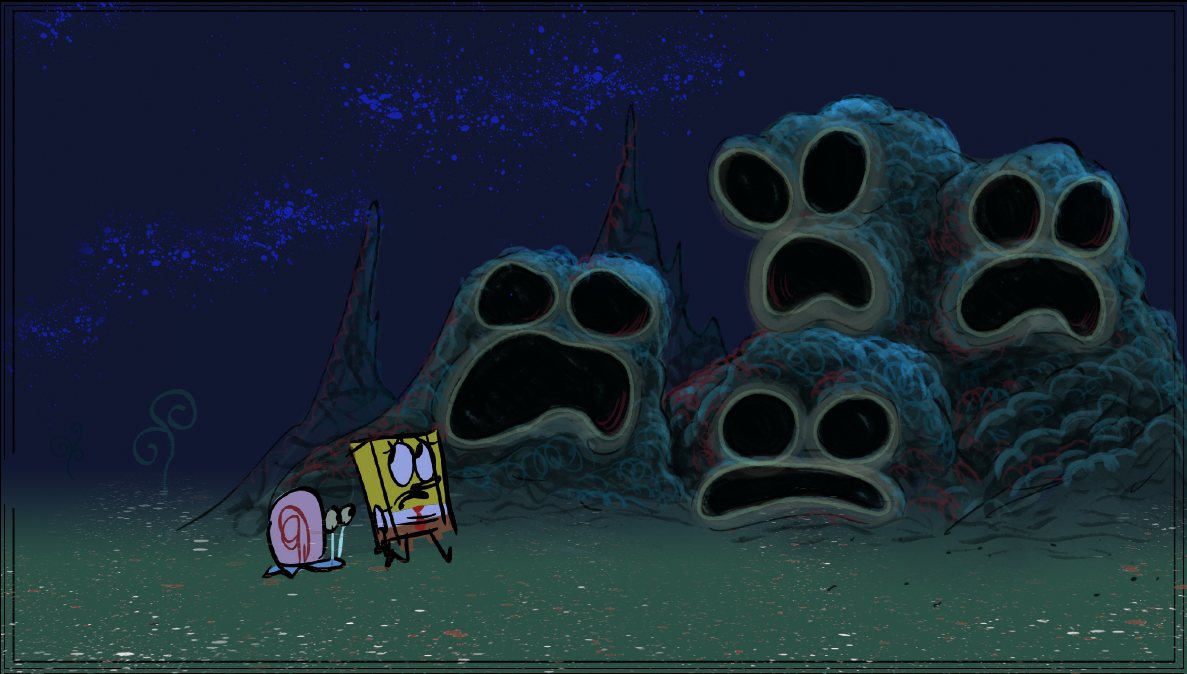
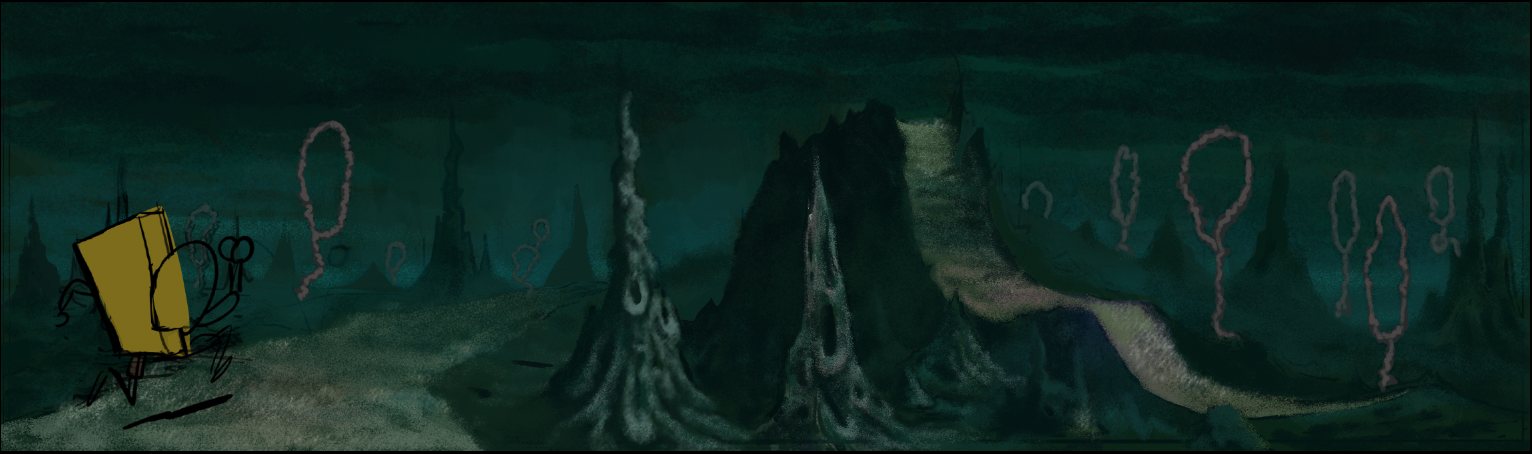
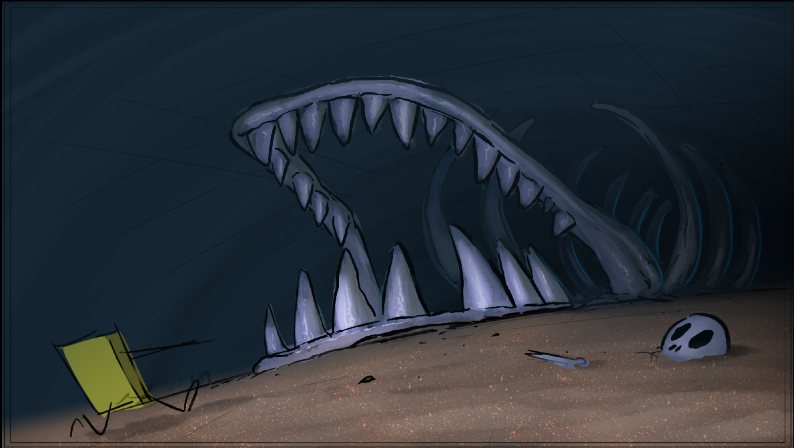
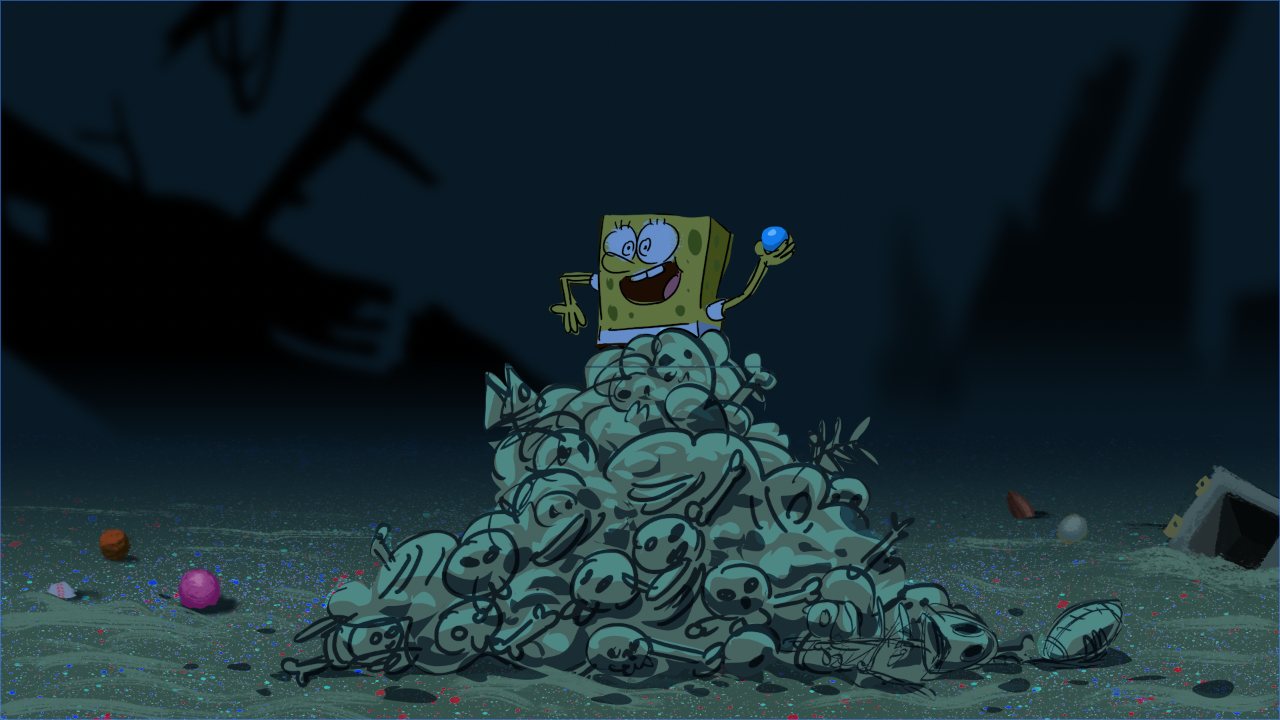
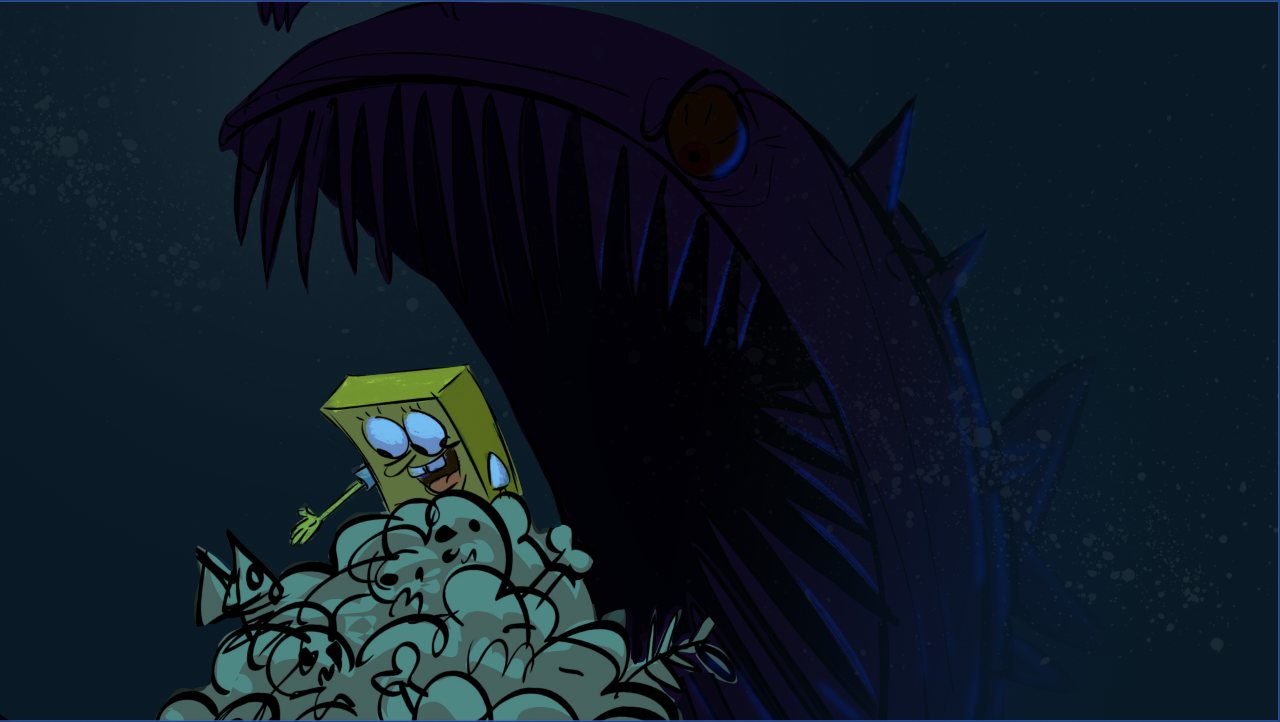
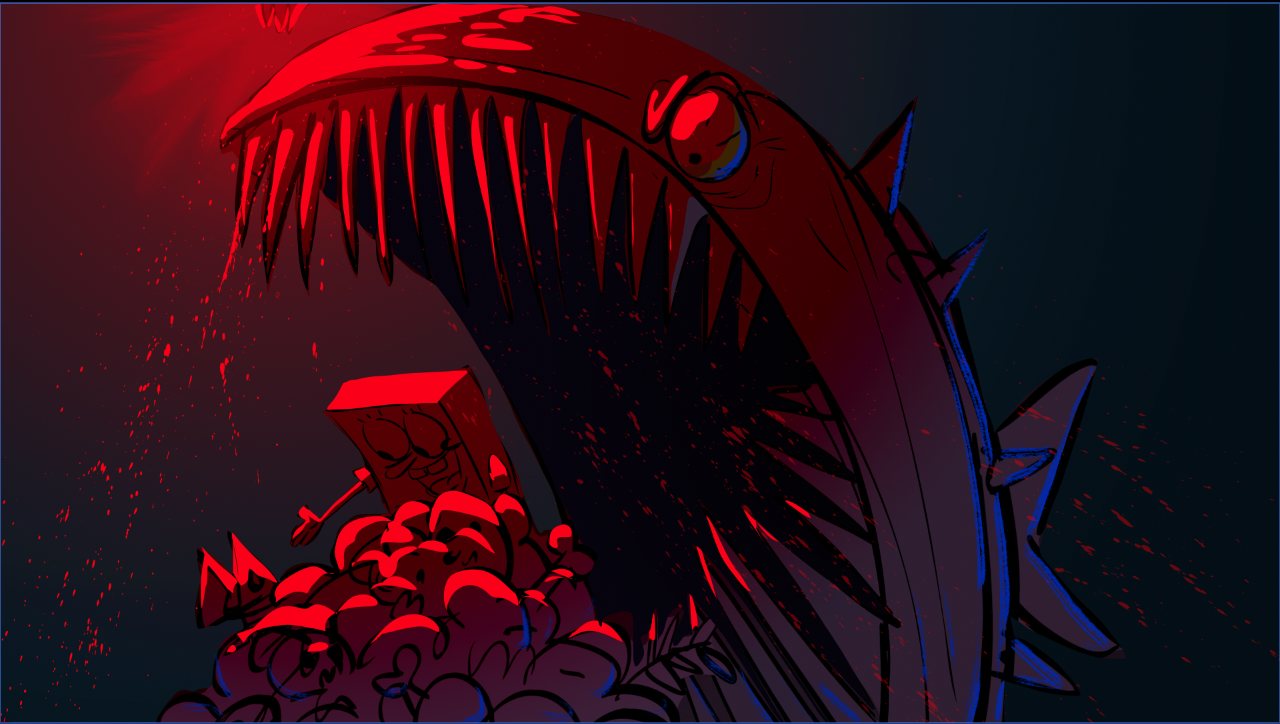
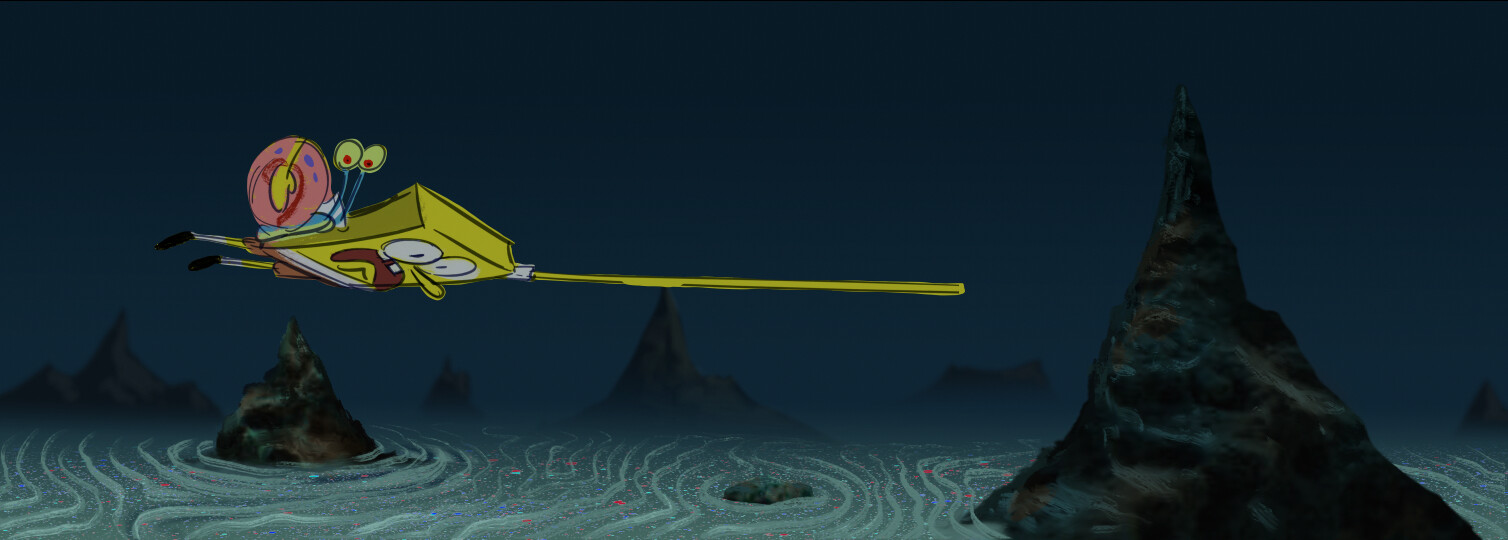
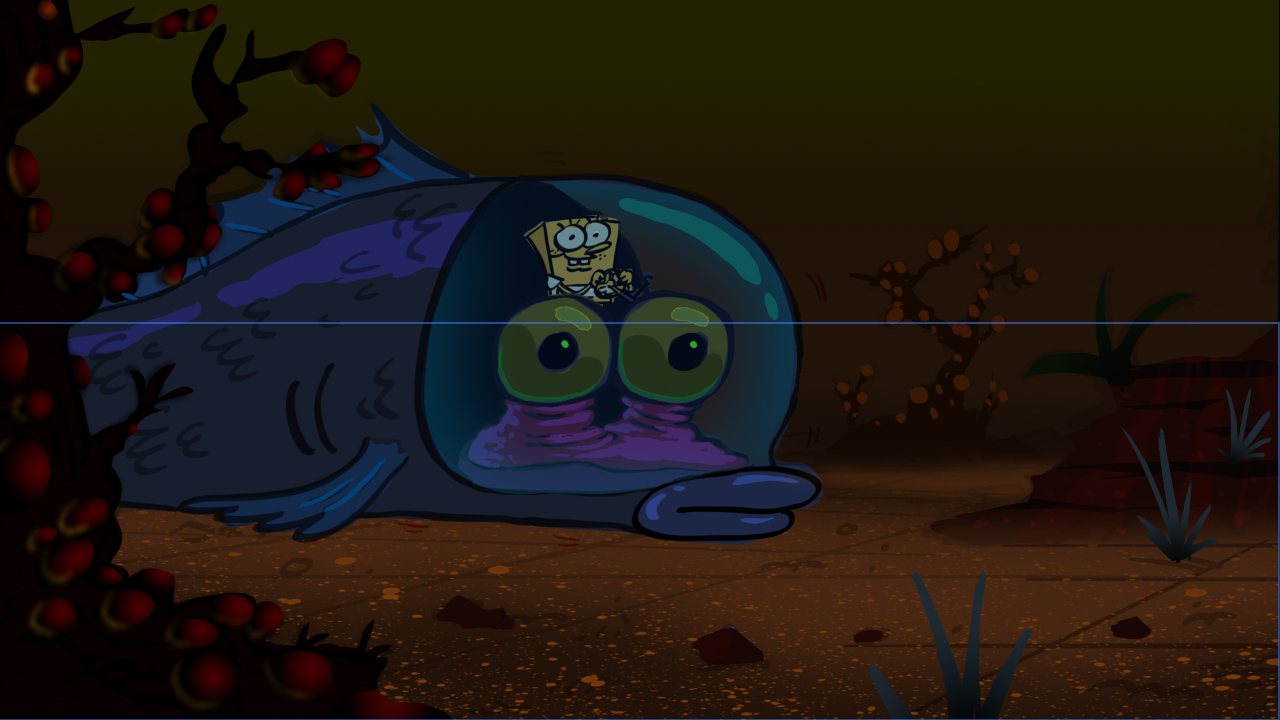
Color Keys
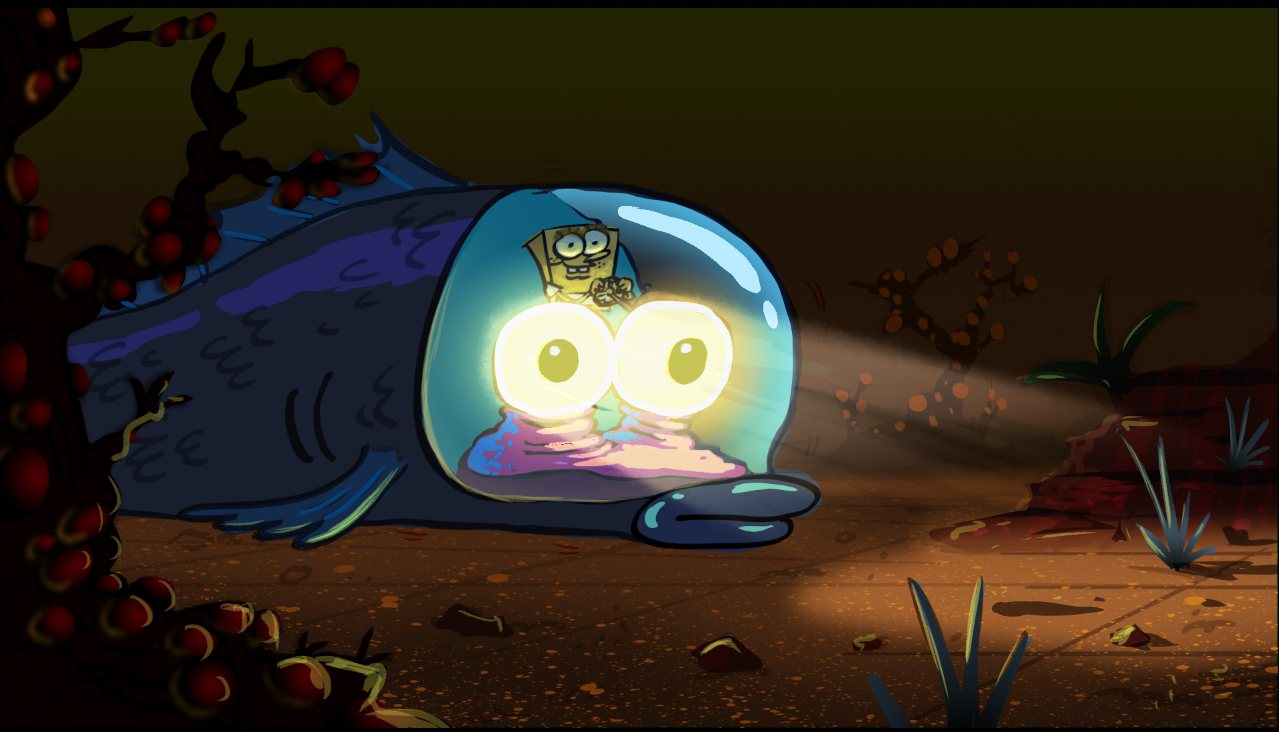
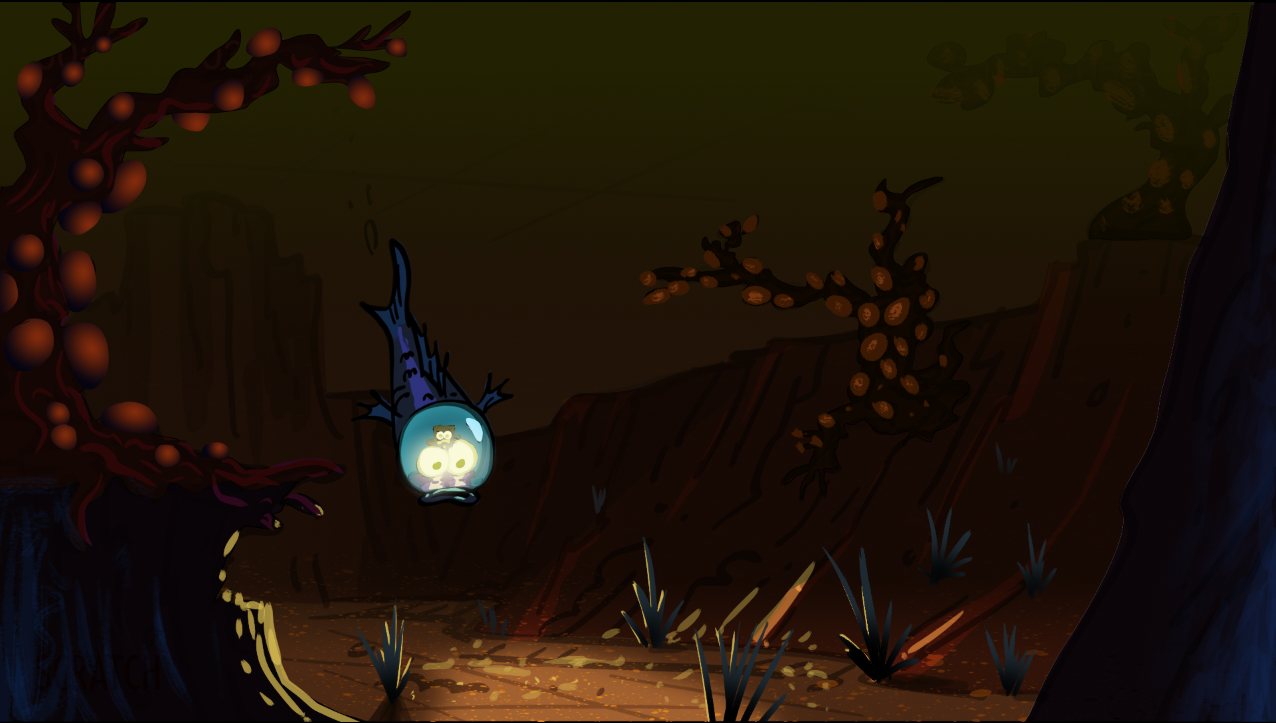
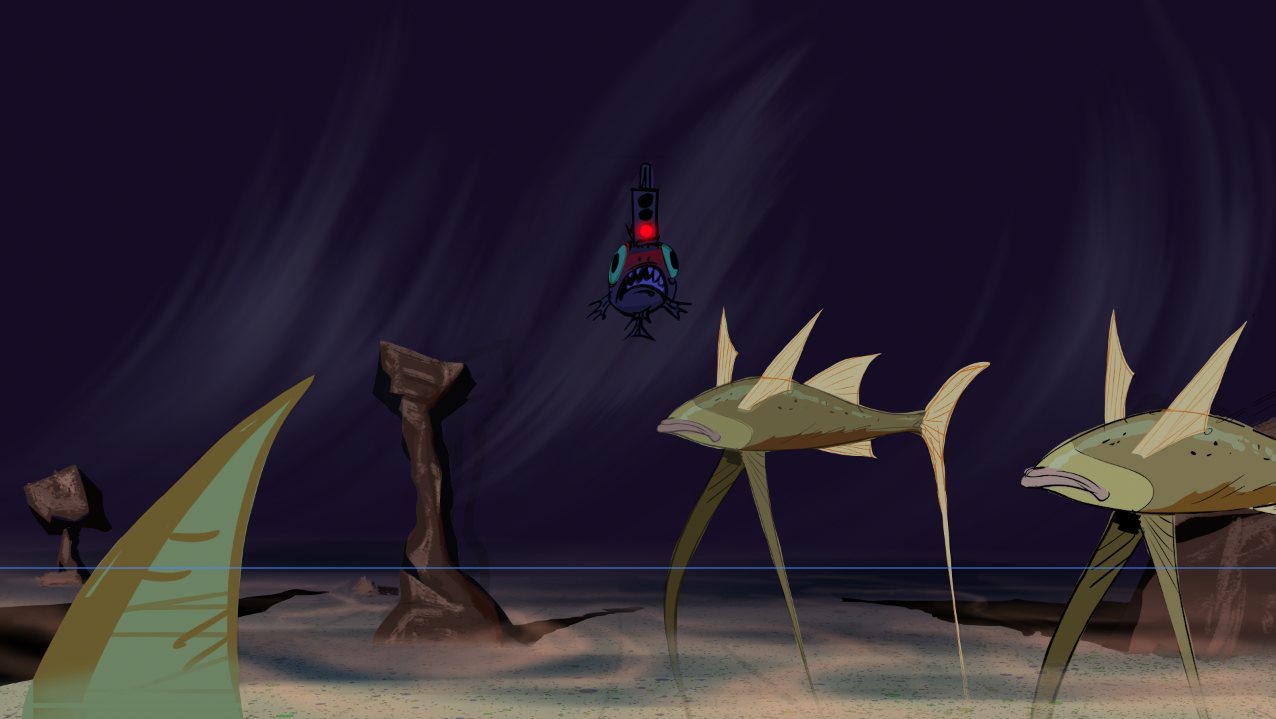
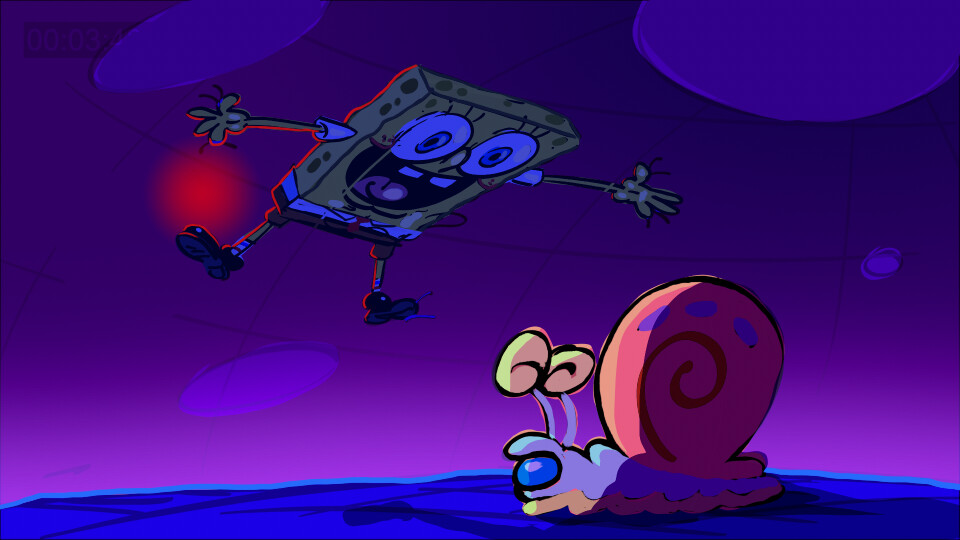
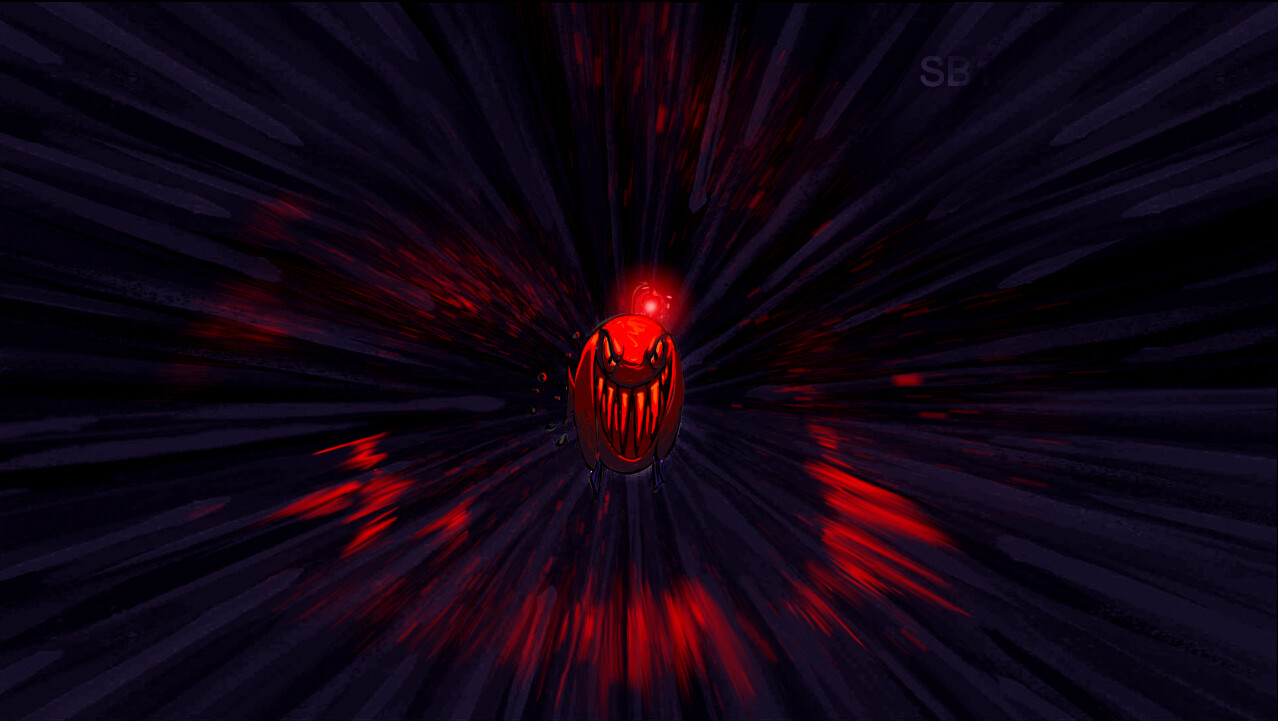
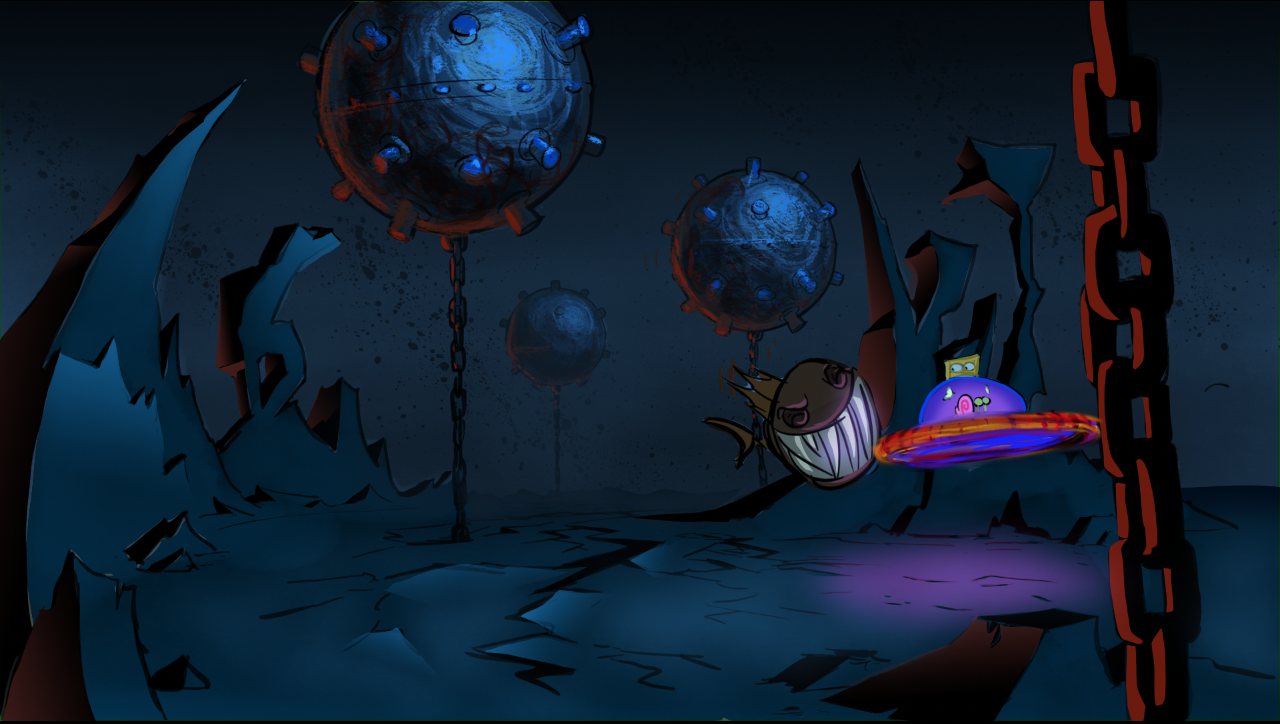
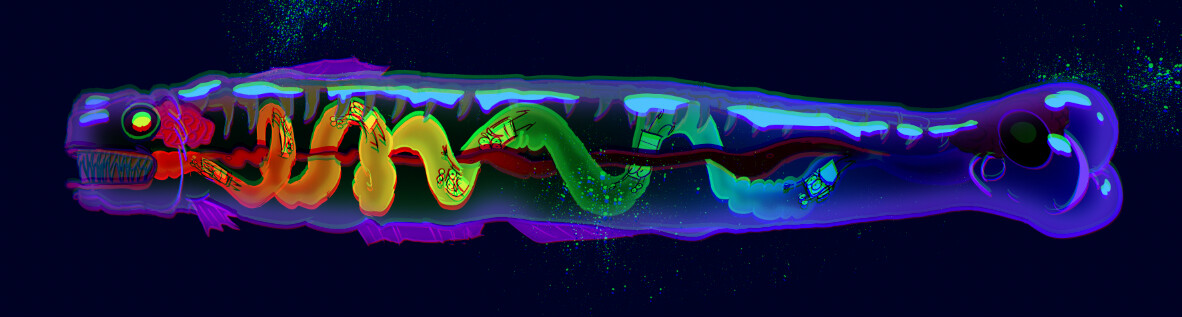
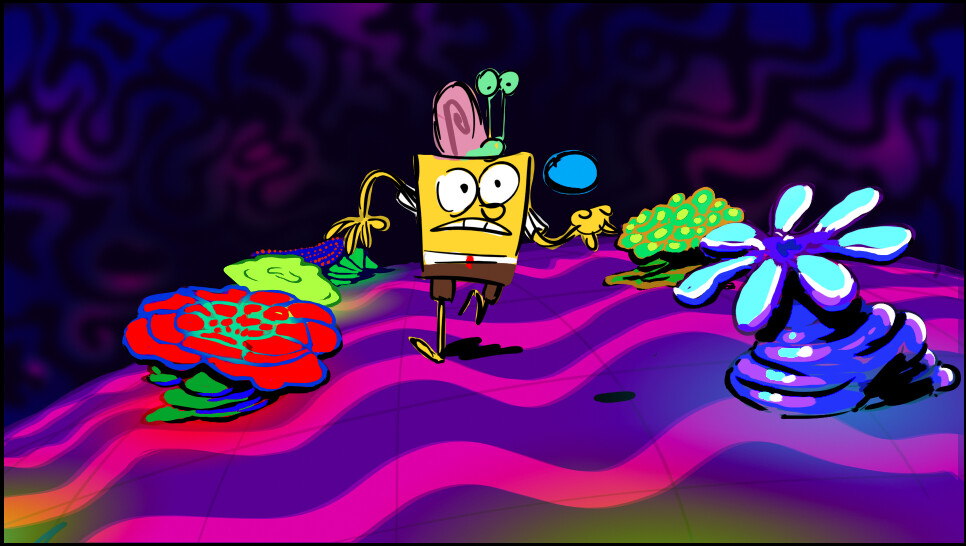
Painted over the storyboards to set the light and mood of each sequence before anything was built in CG.
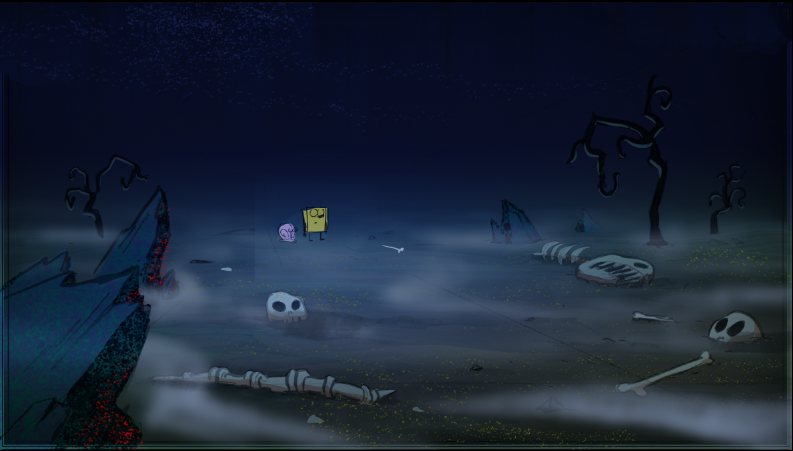
Hand-Painted Sets
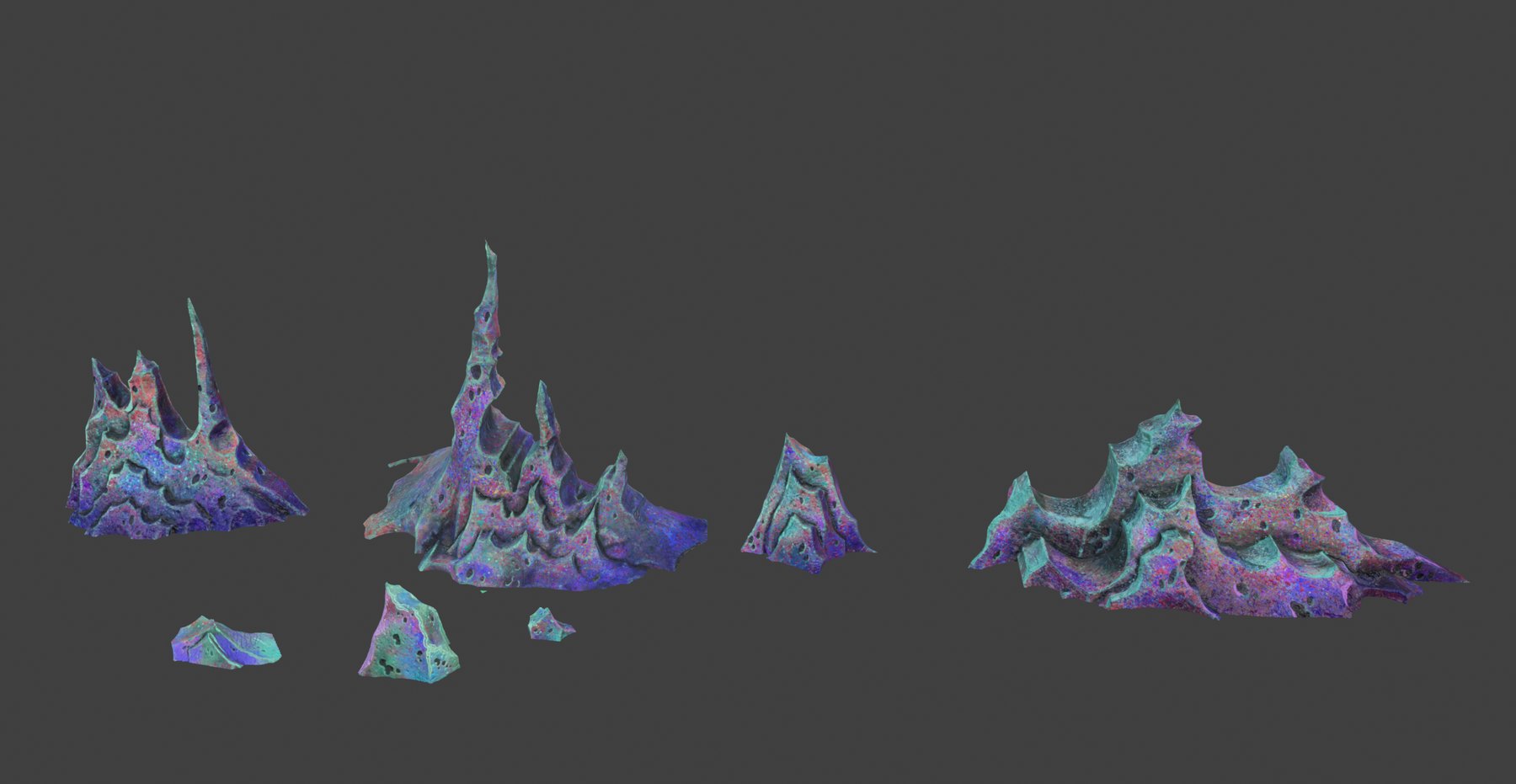
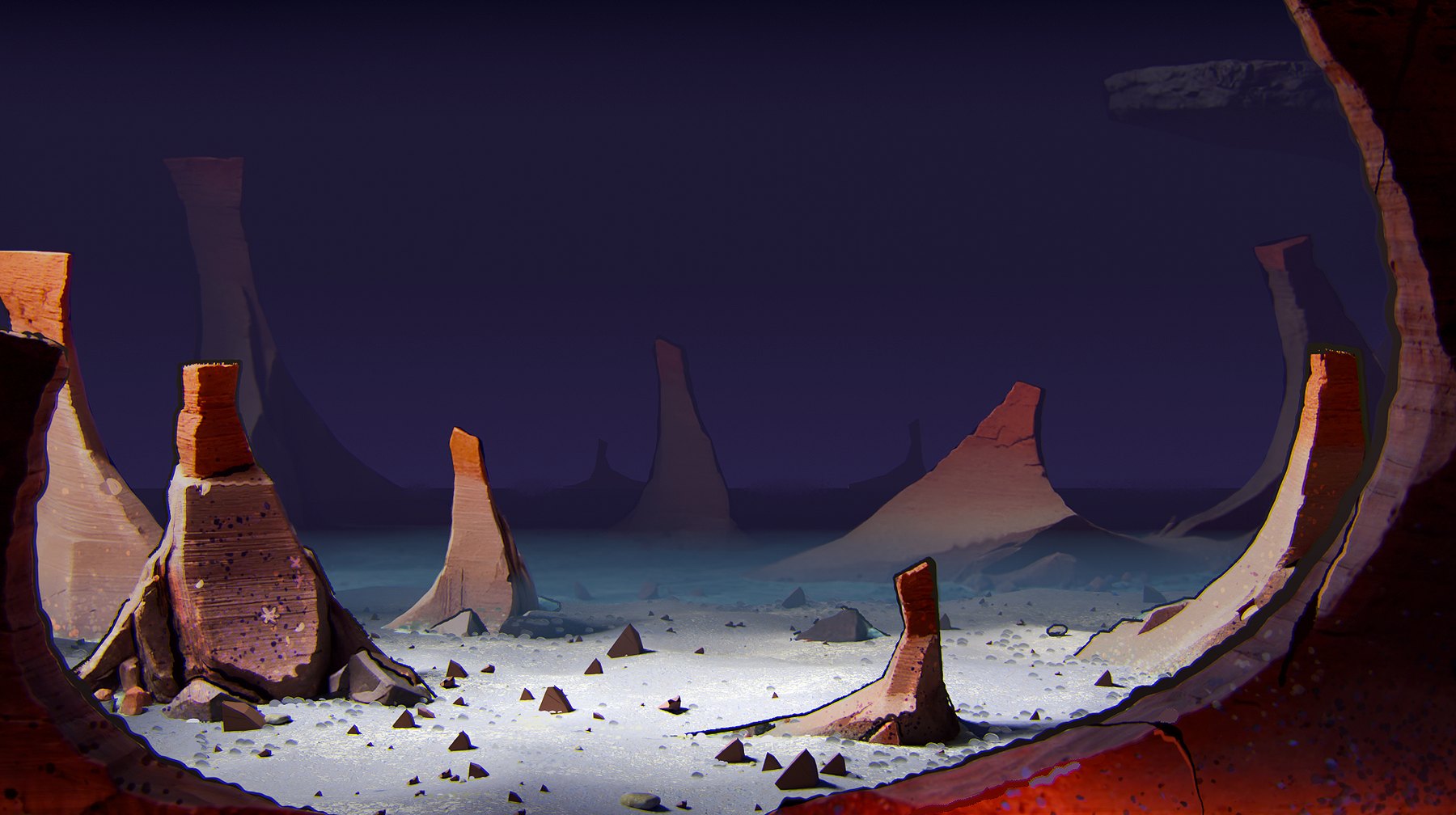
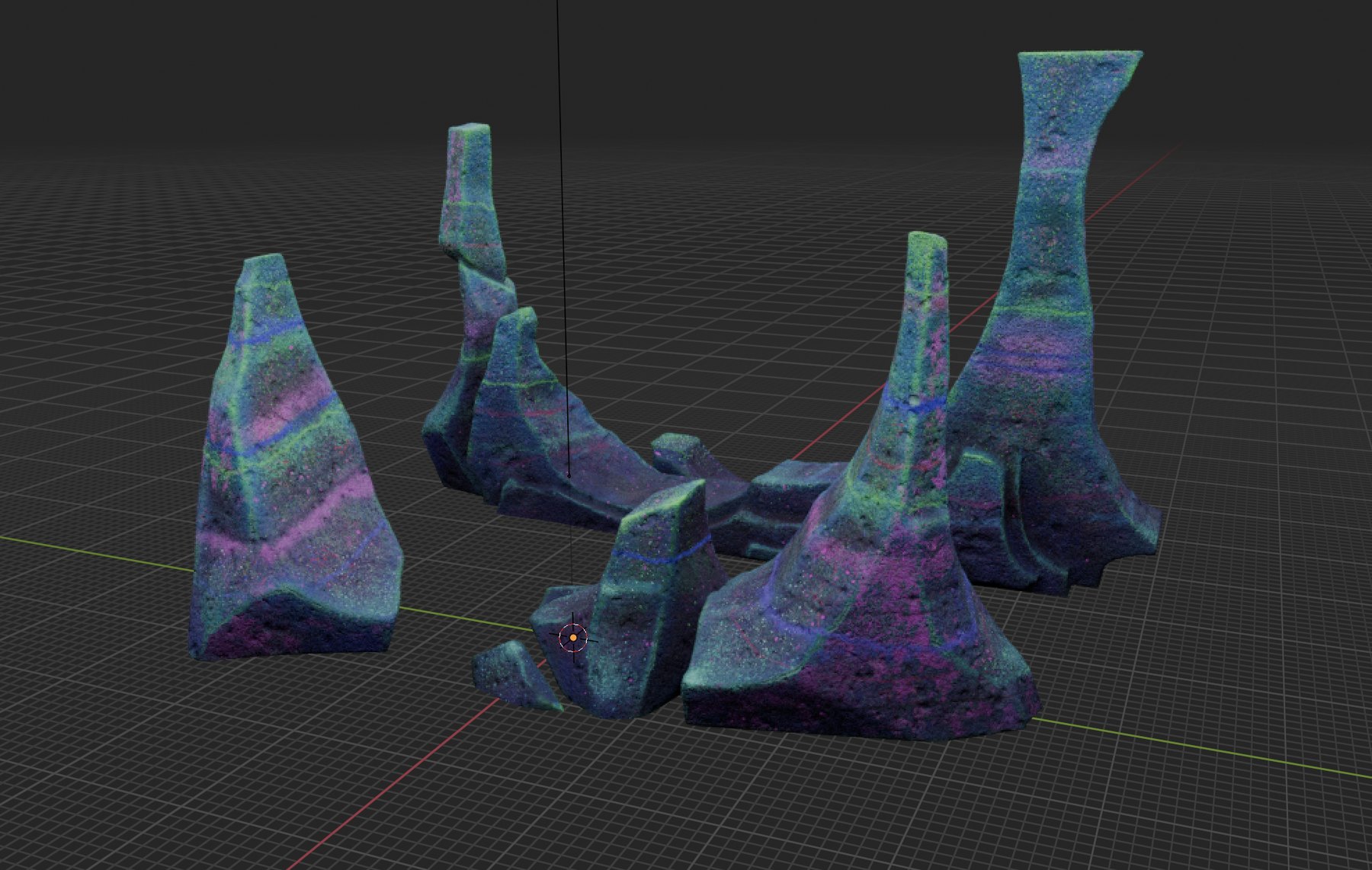
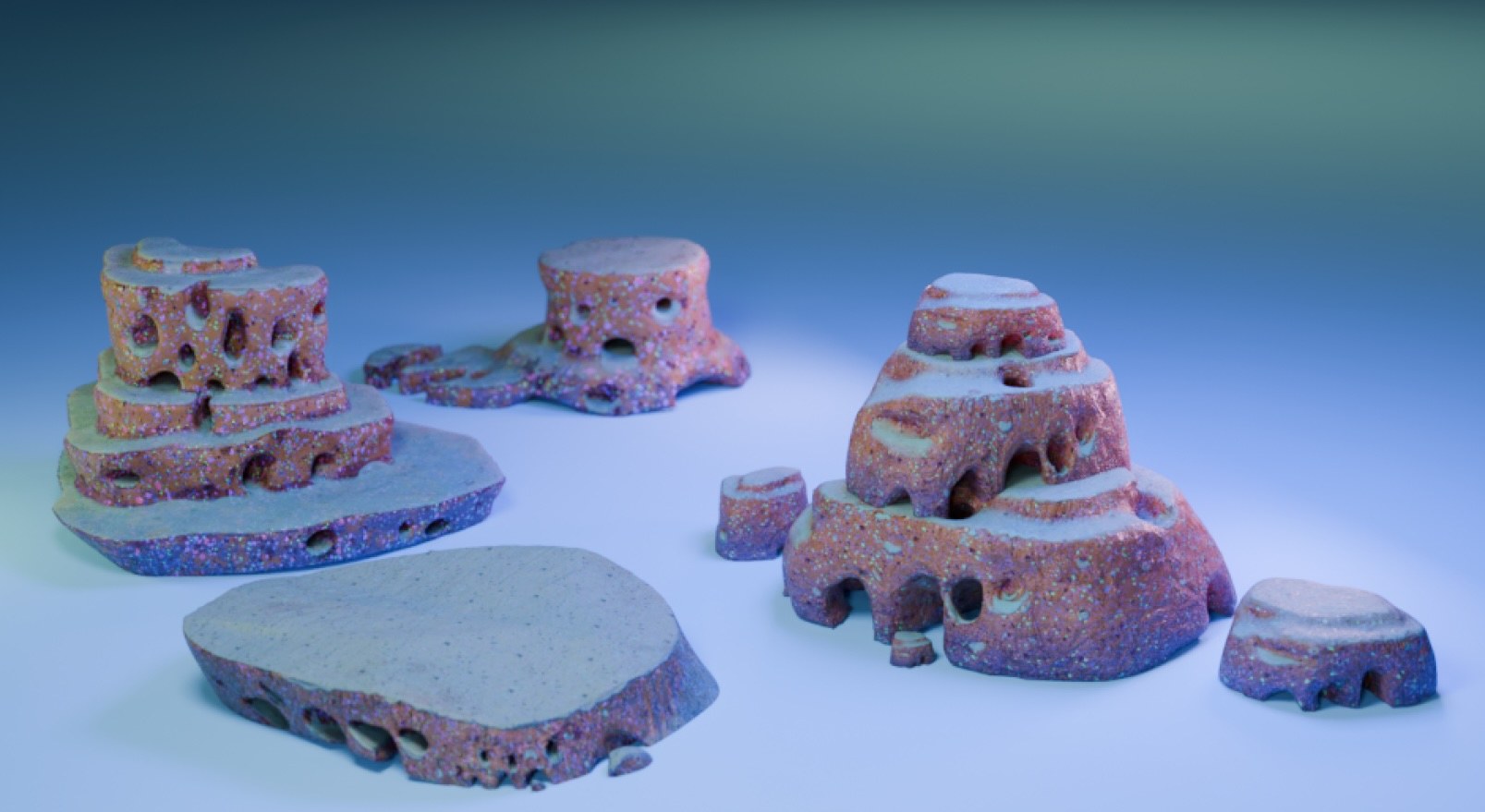
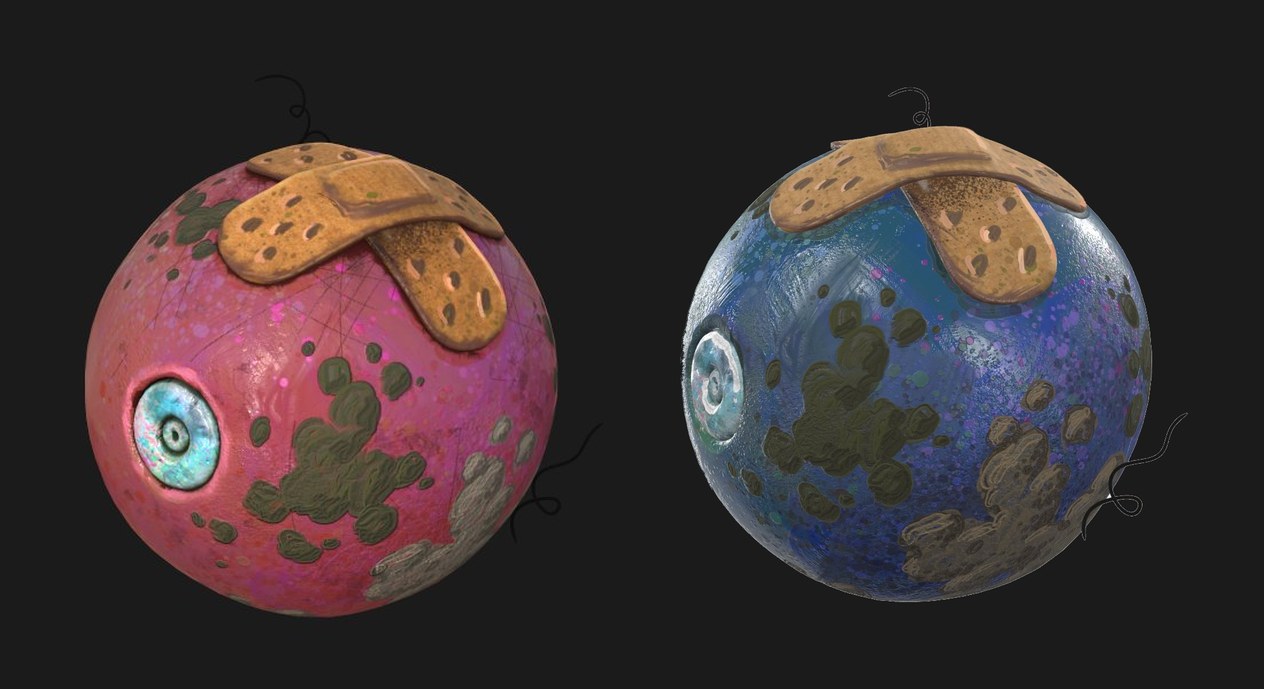
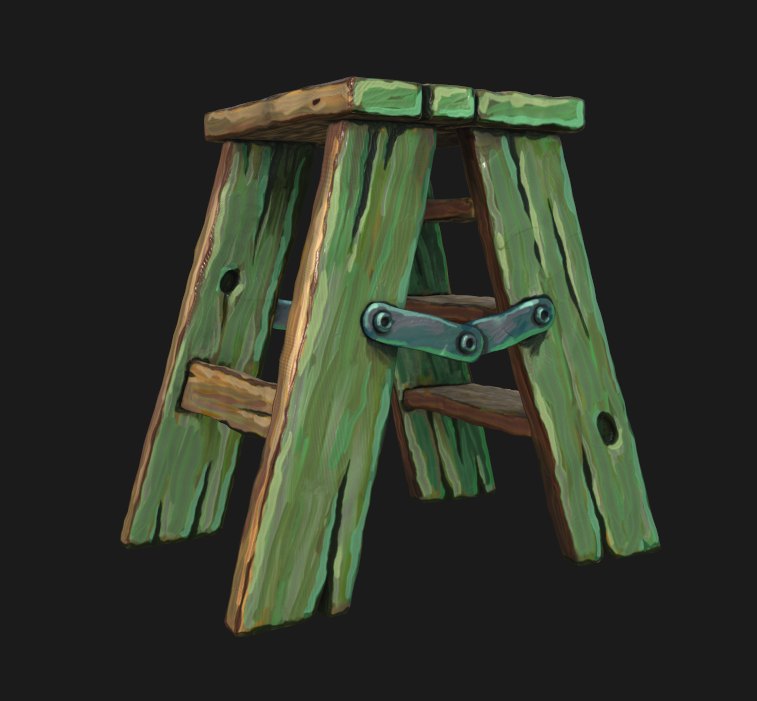
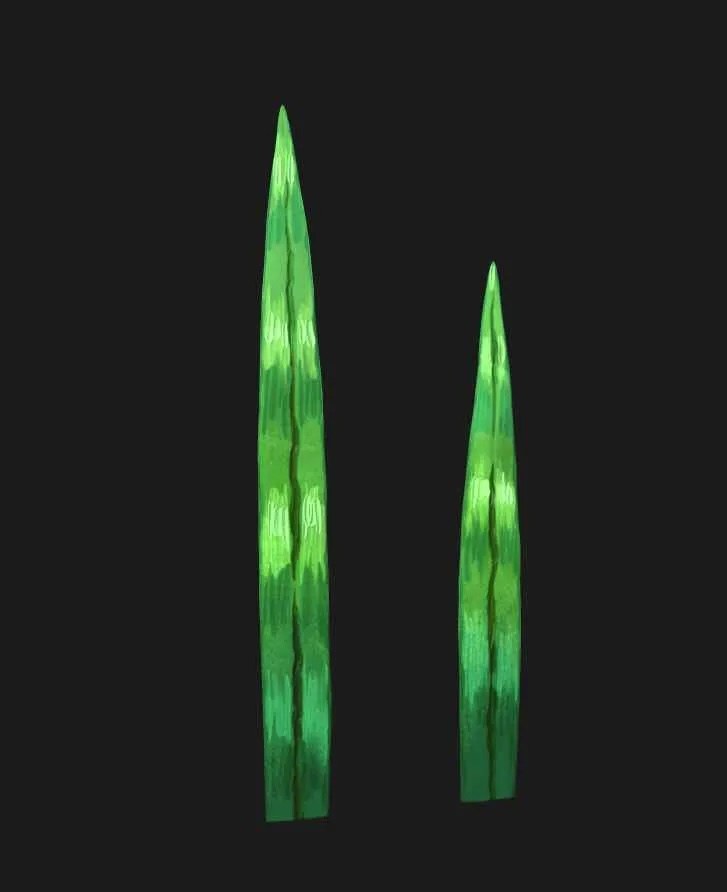
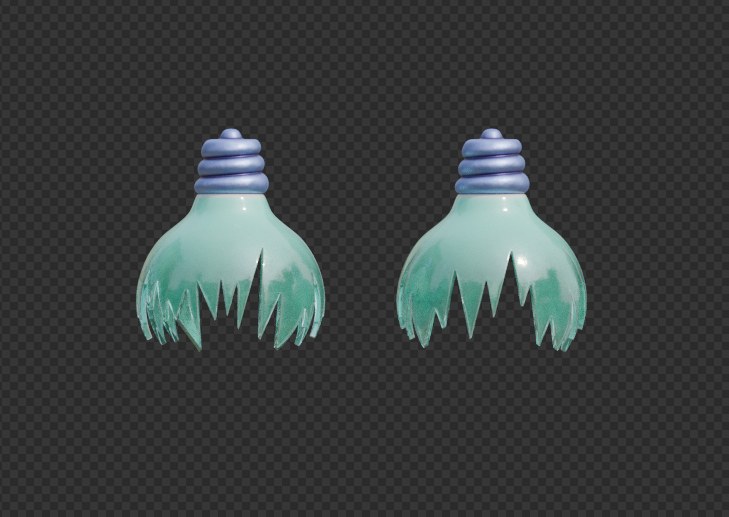
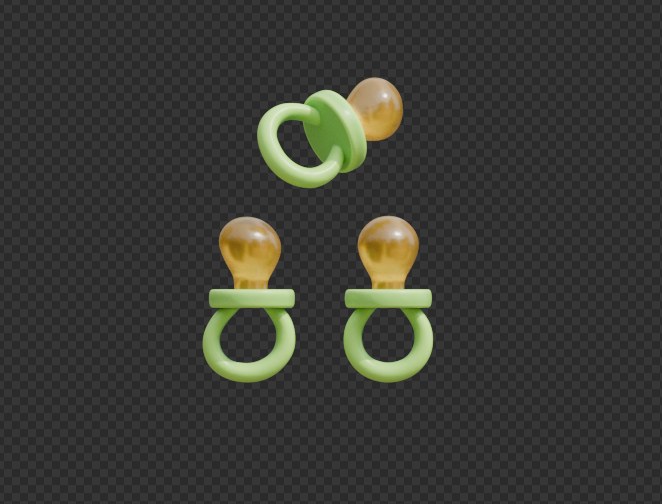
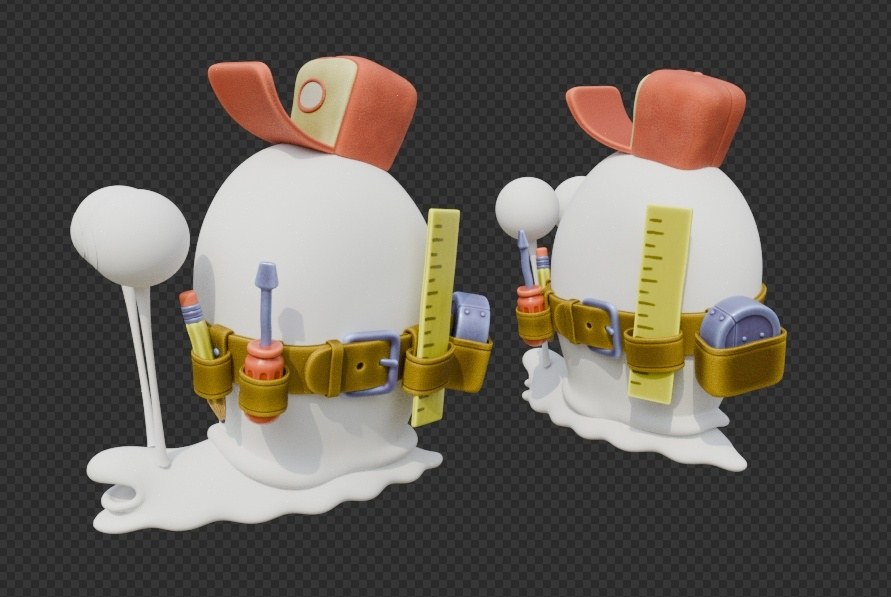
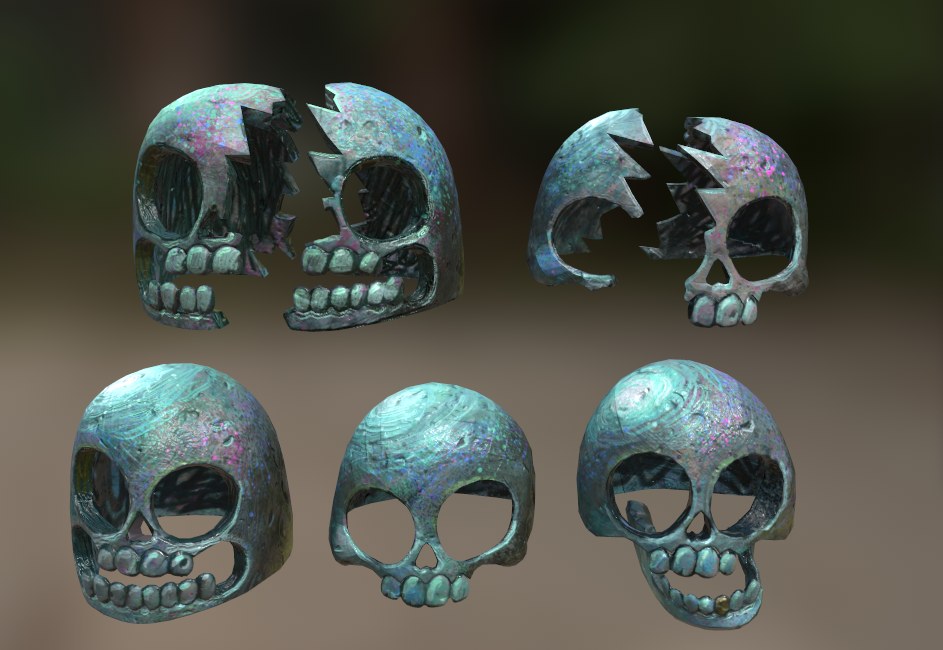
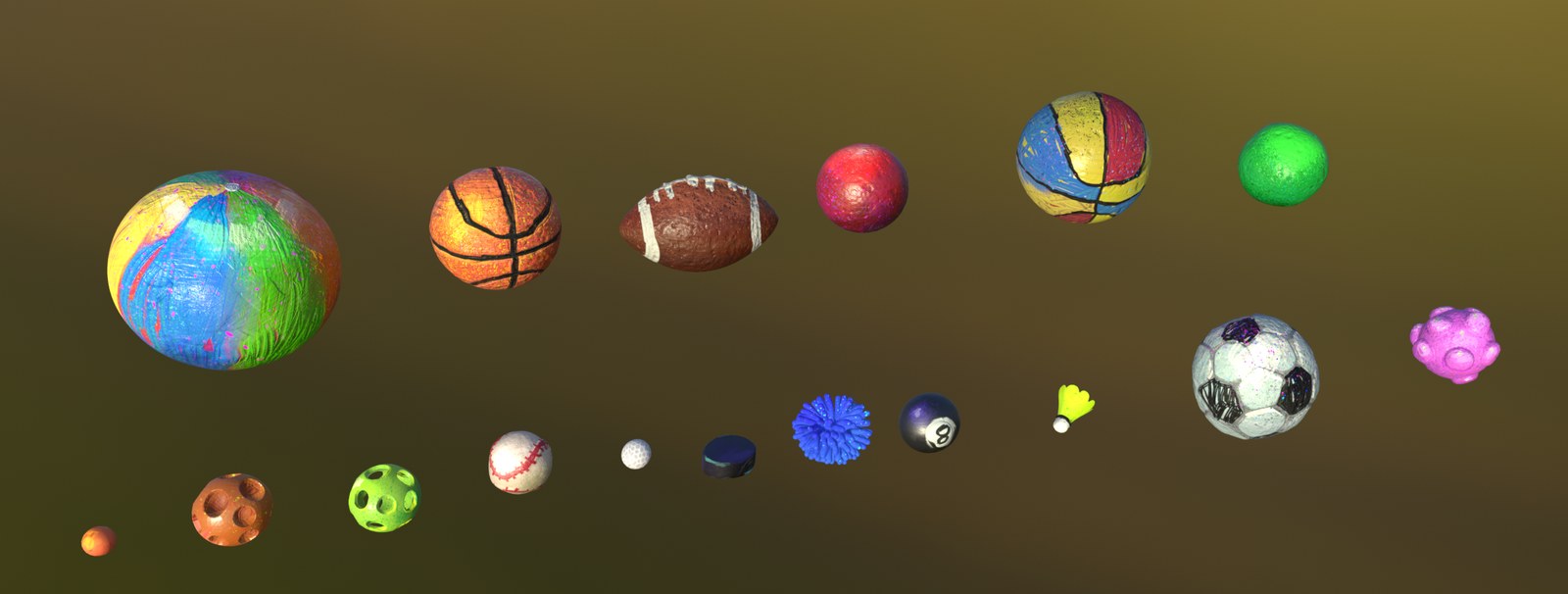
Prop Modeling & Texturing
Character Modeling & Texturing
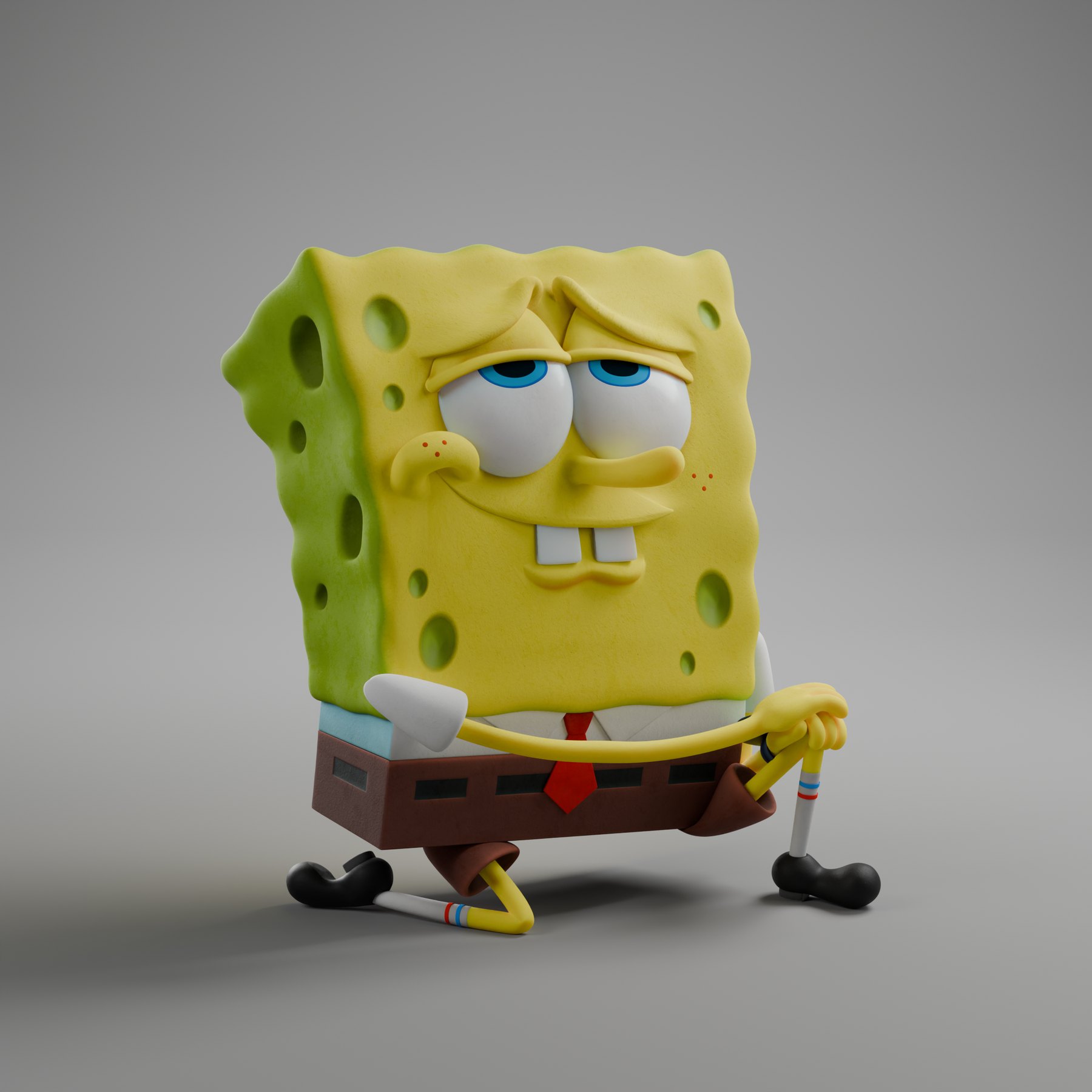
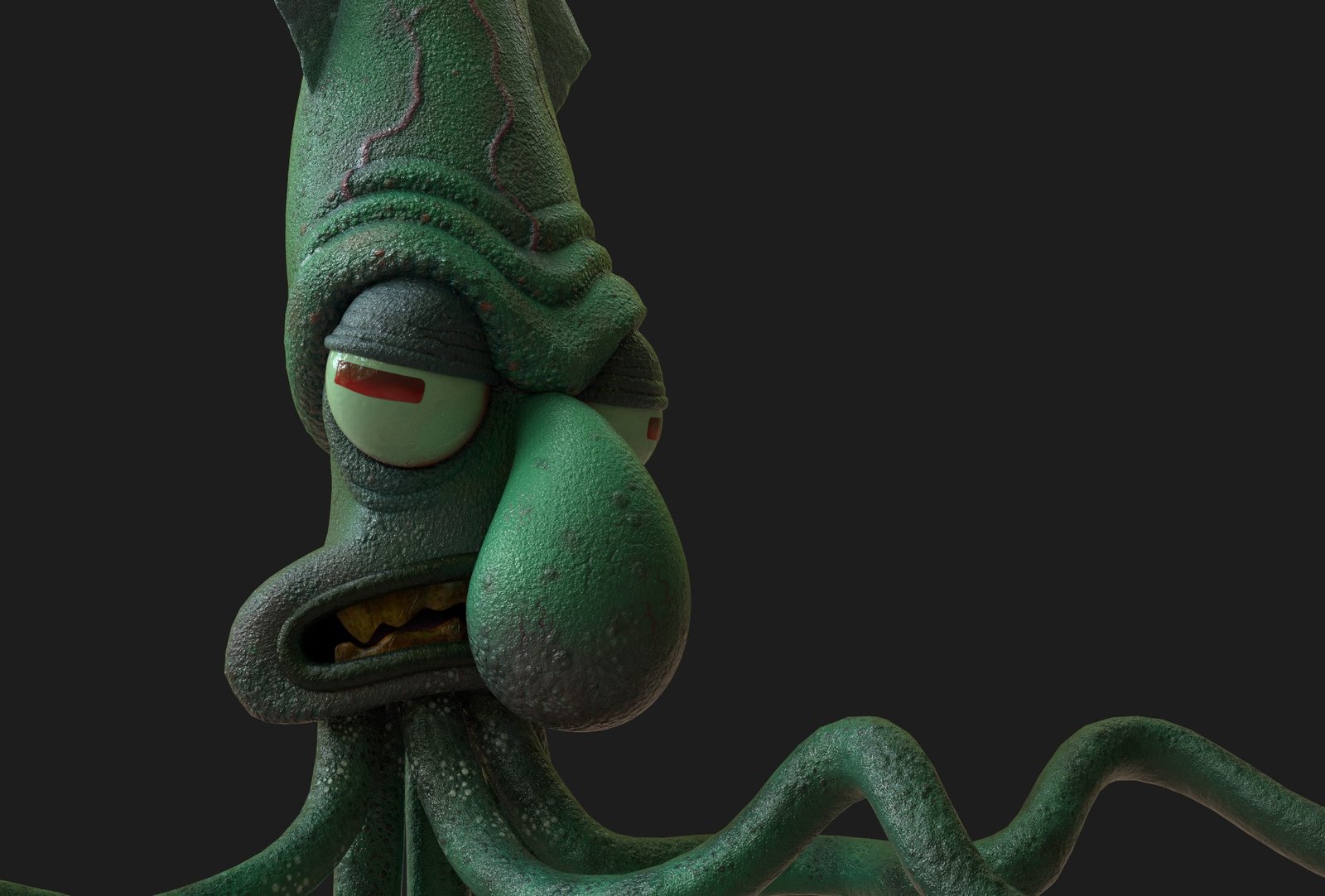
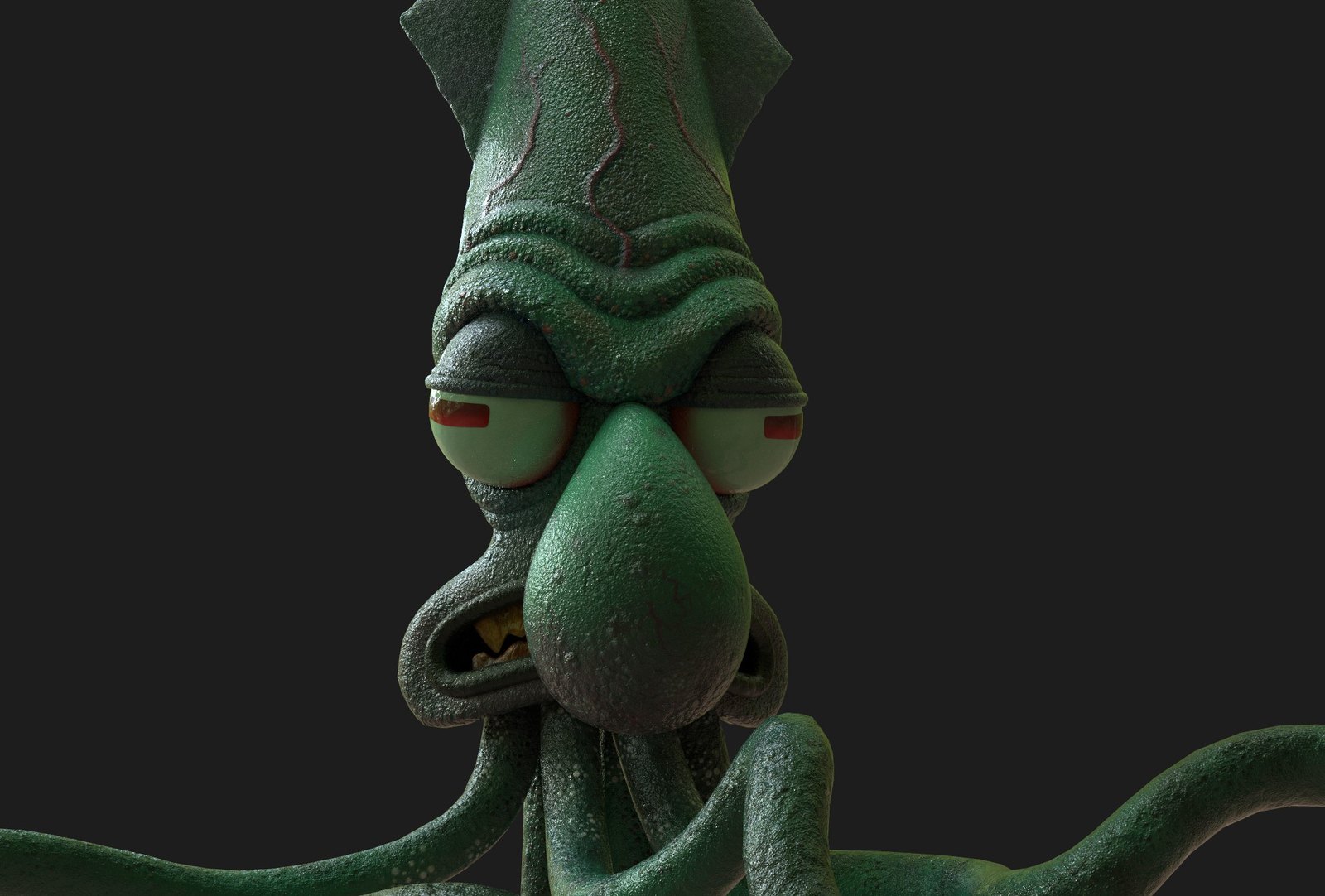
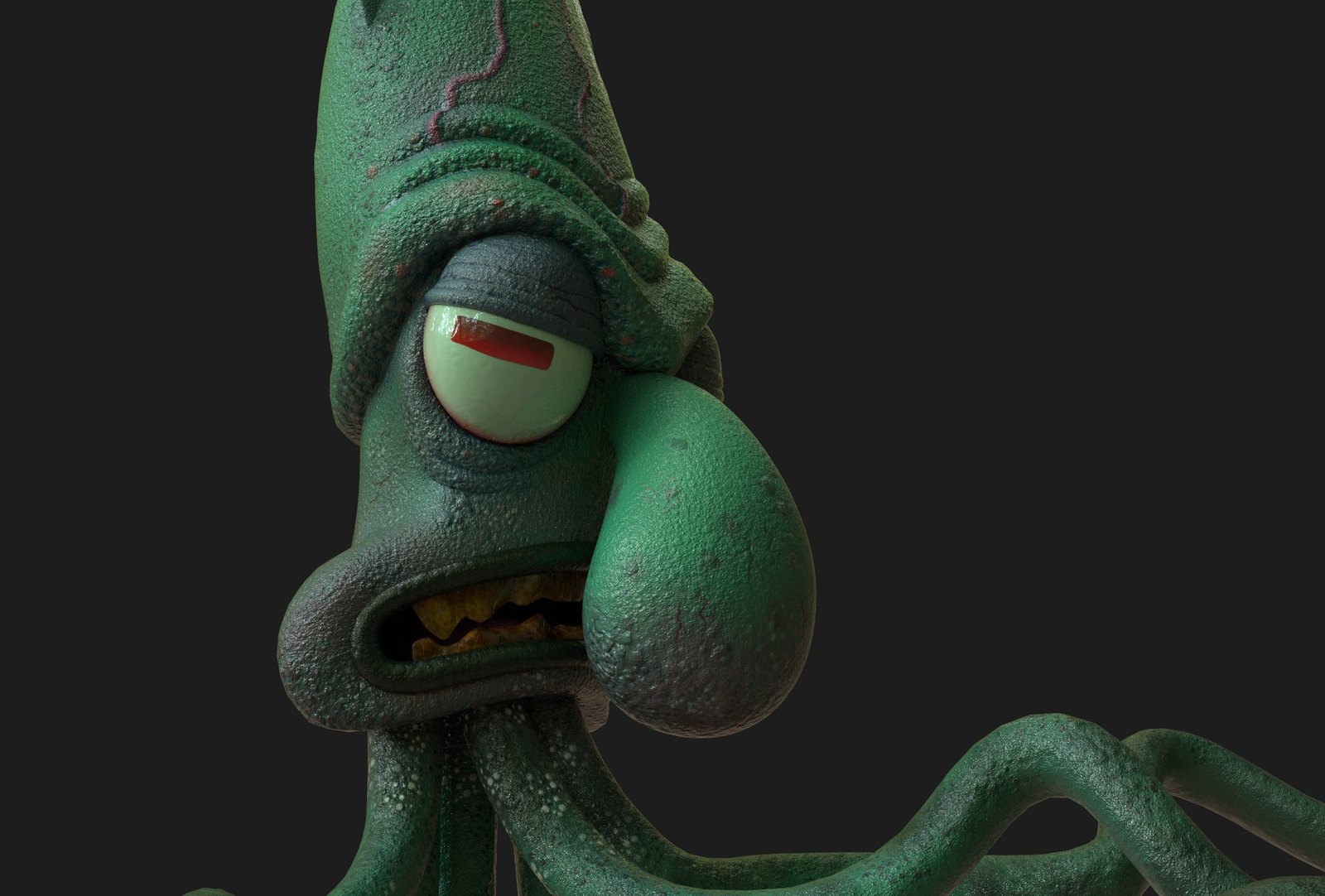
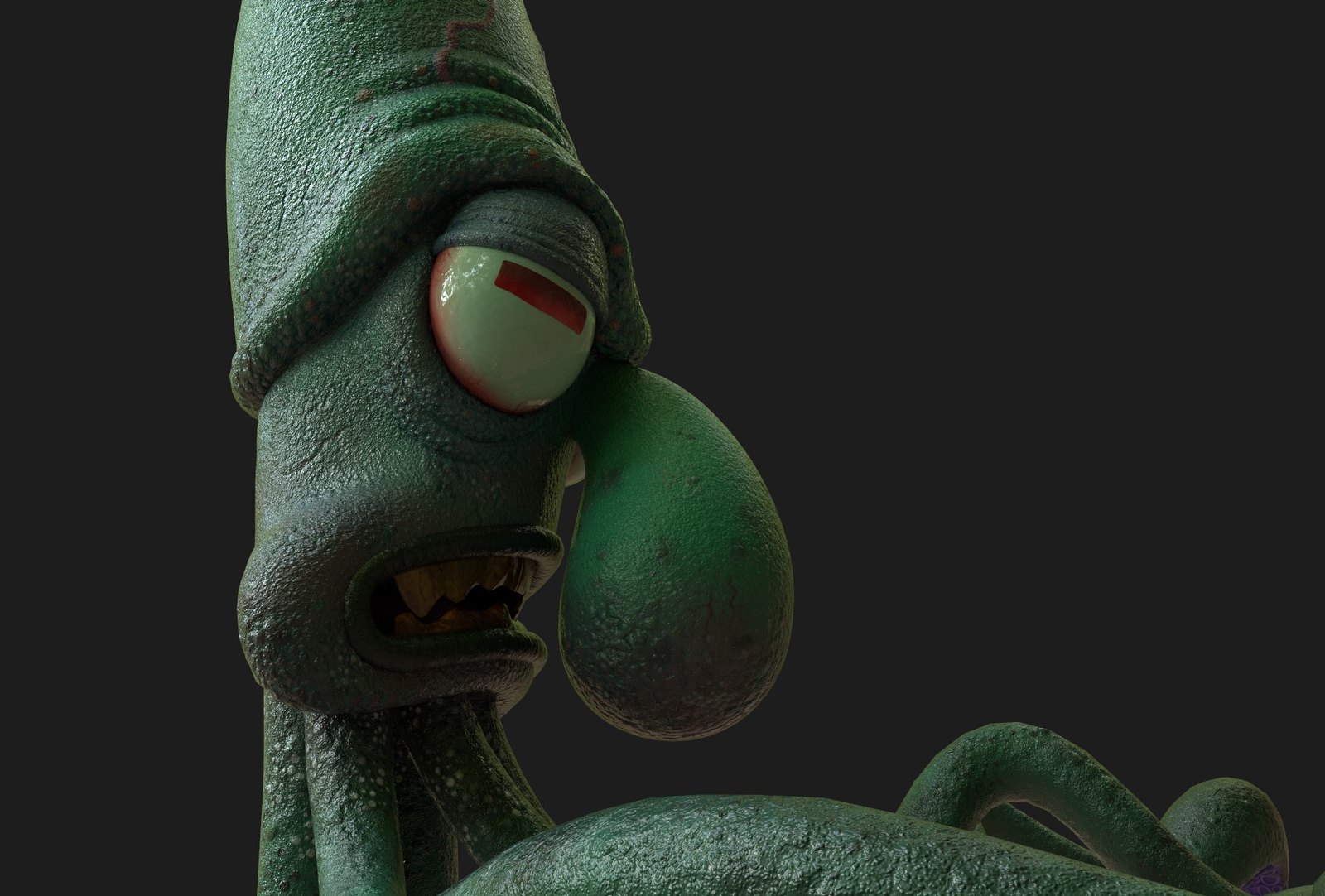
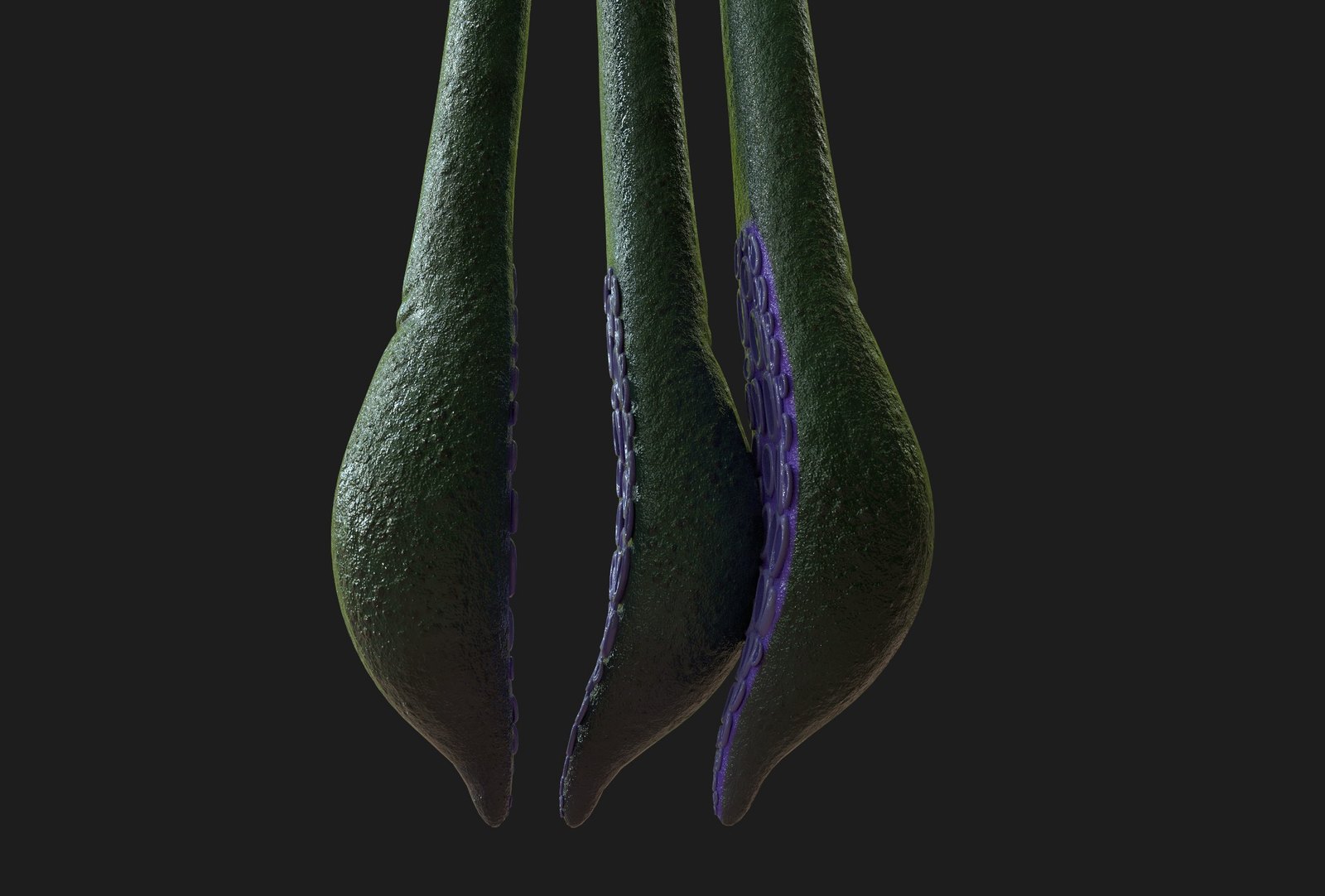
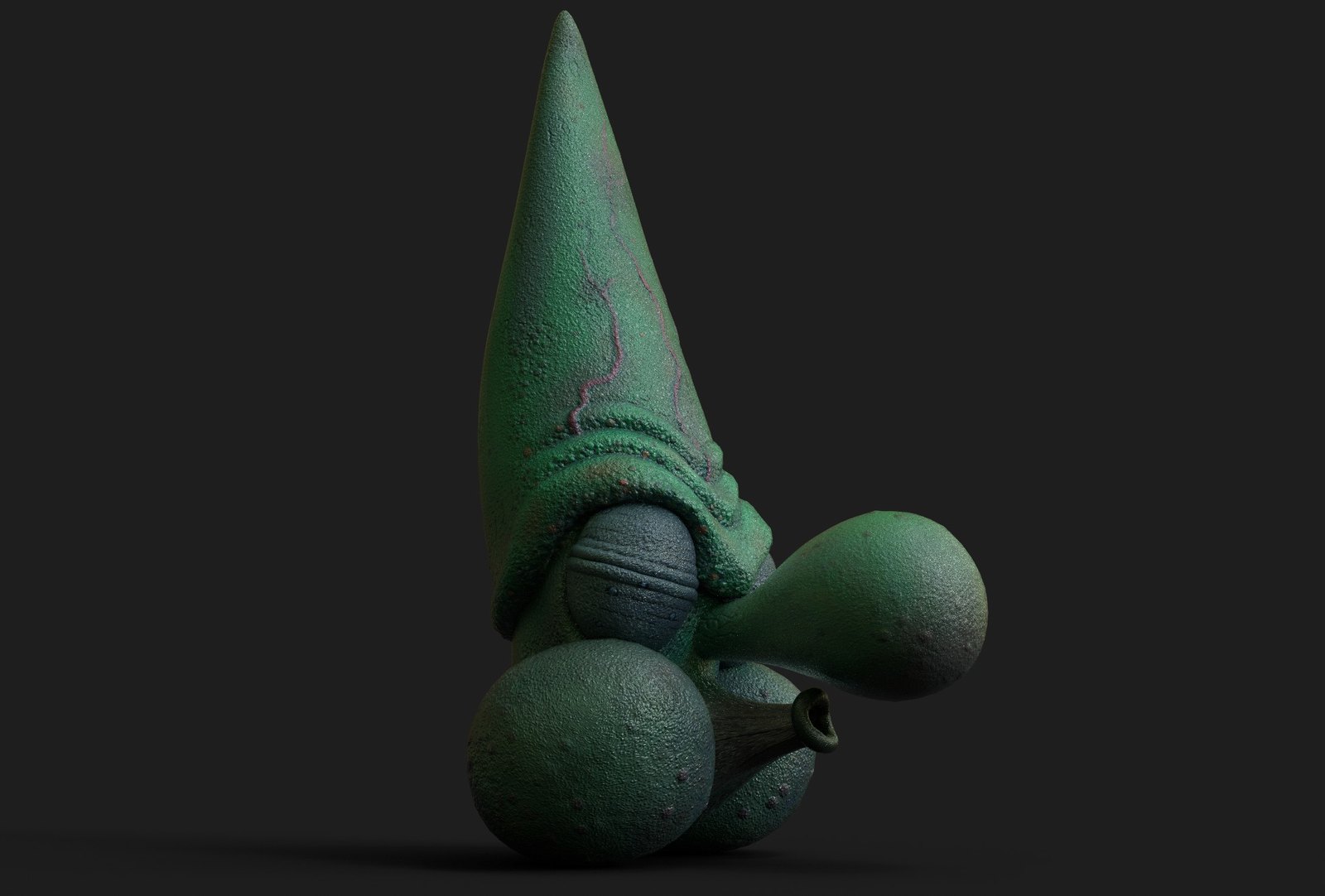
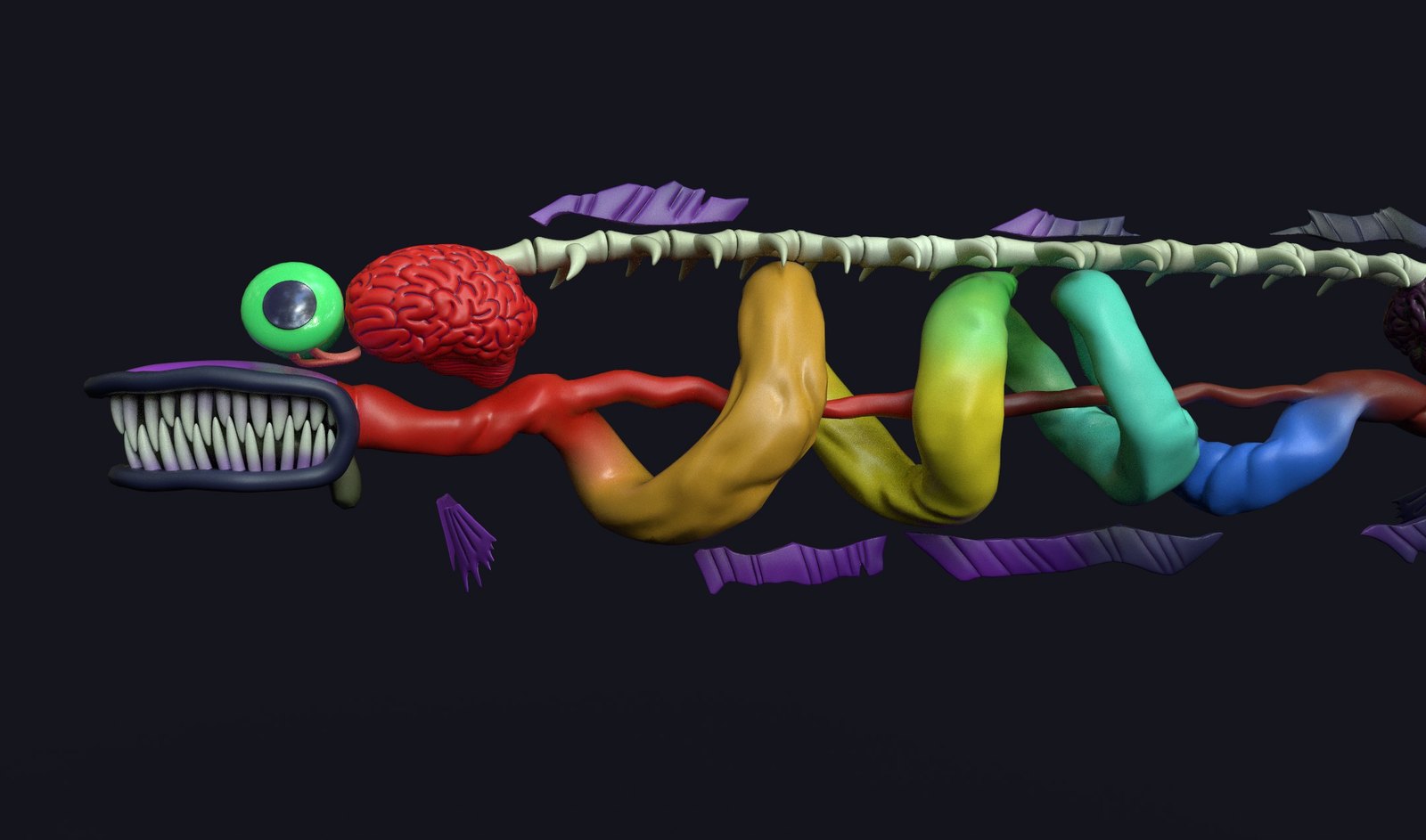
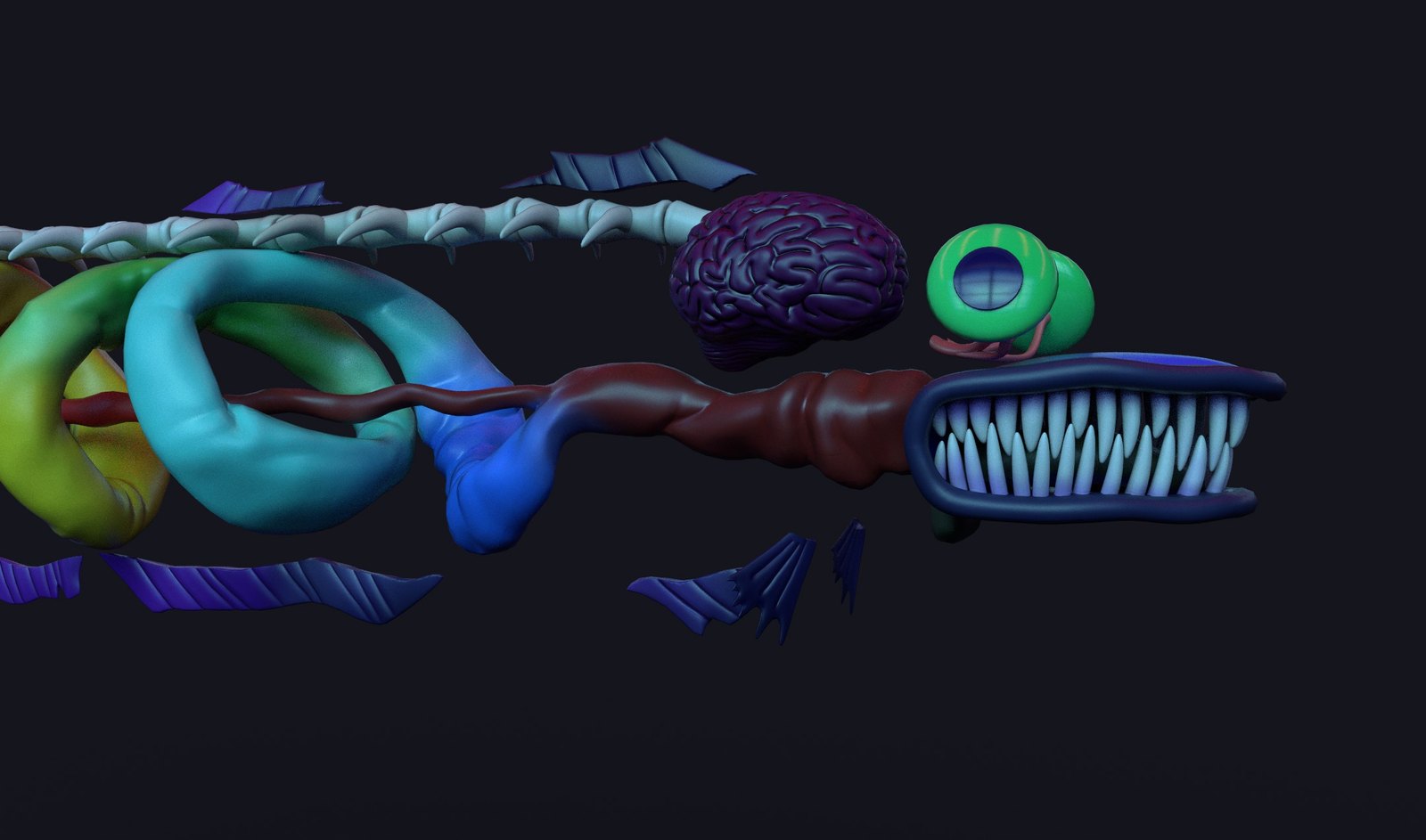
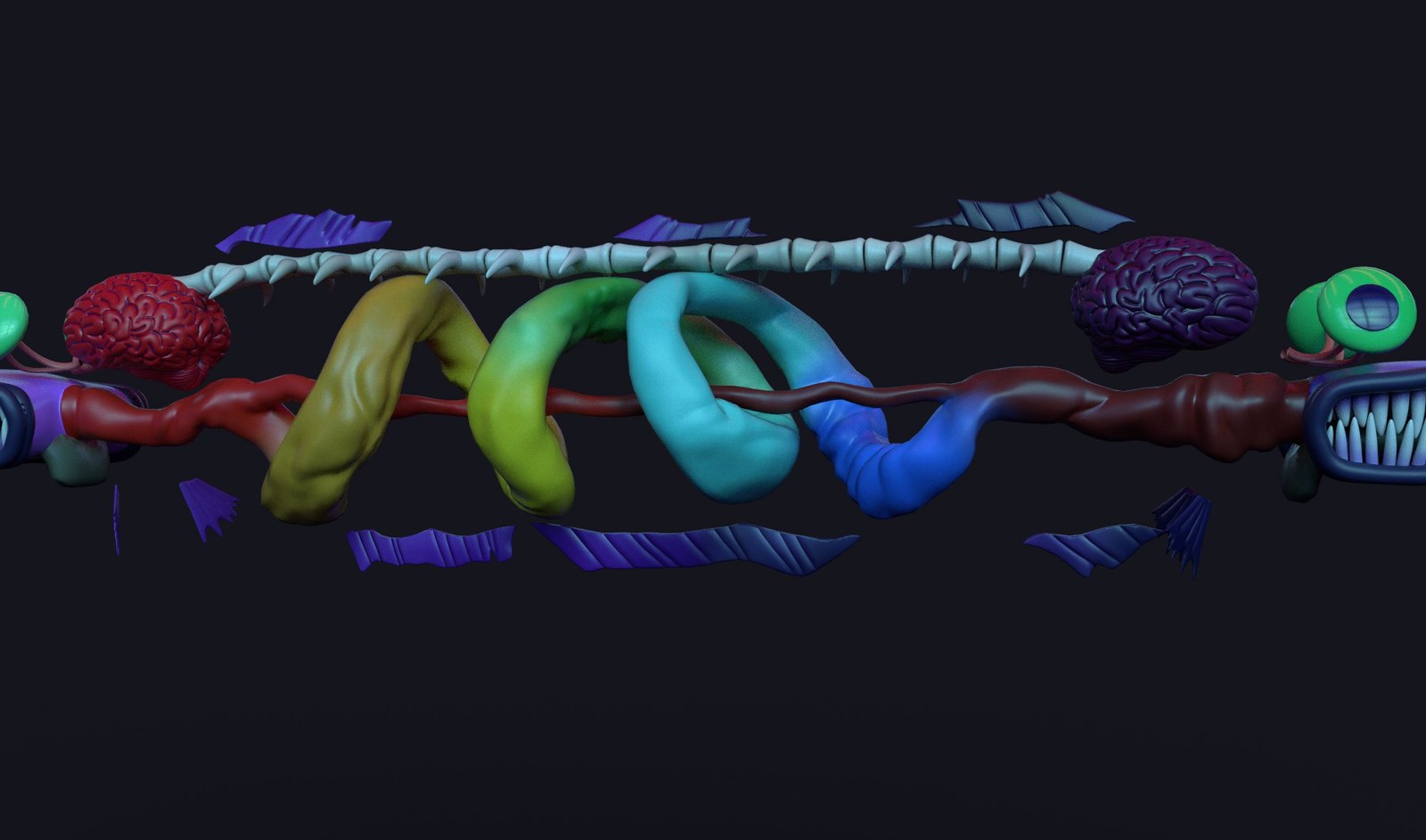
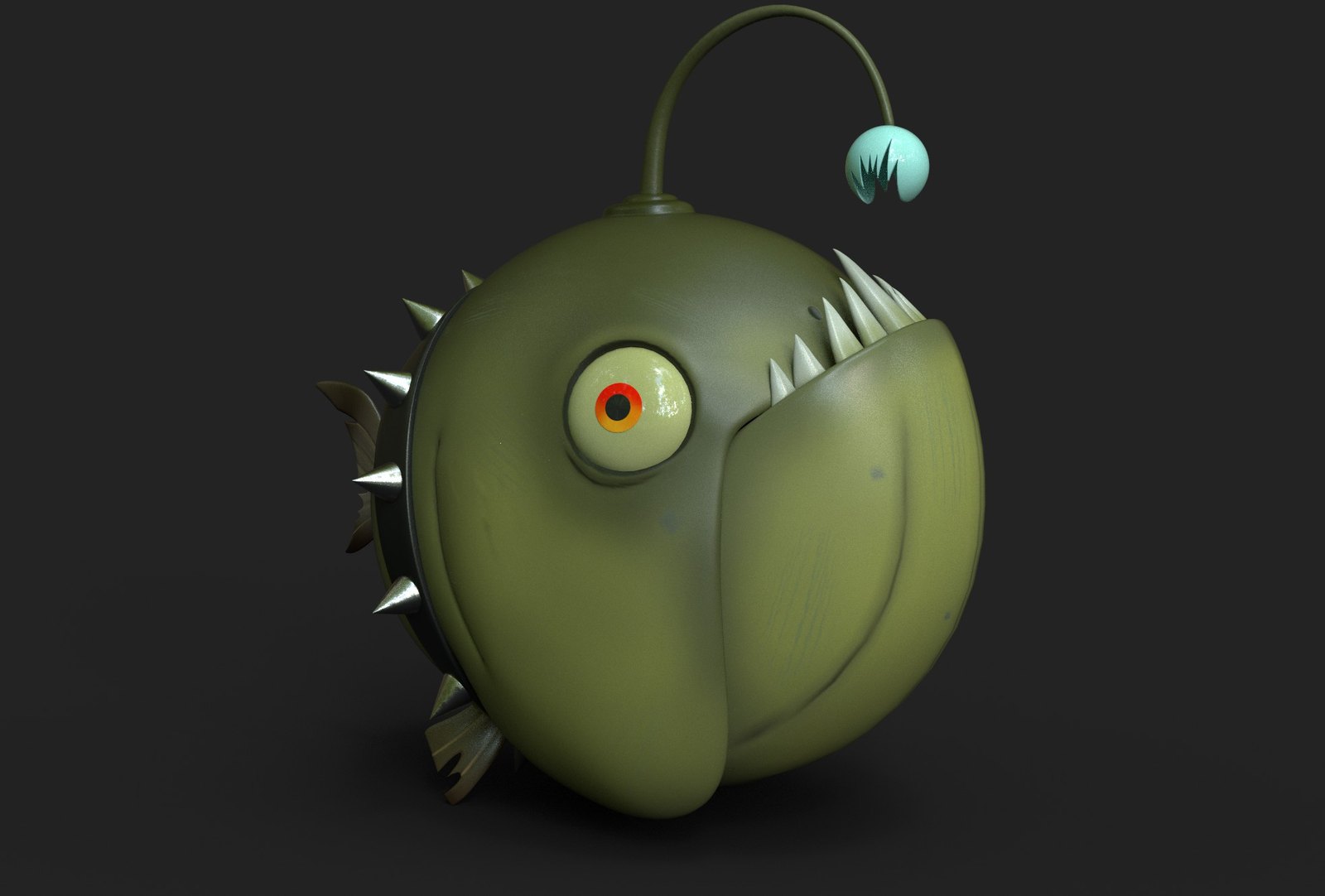
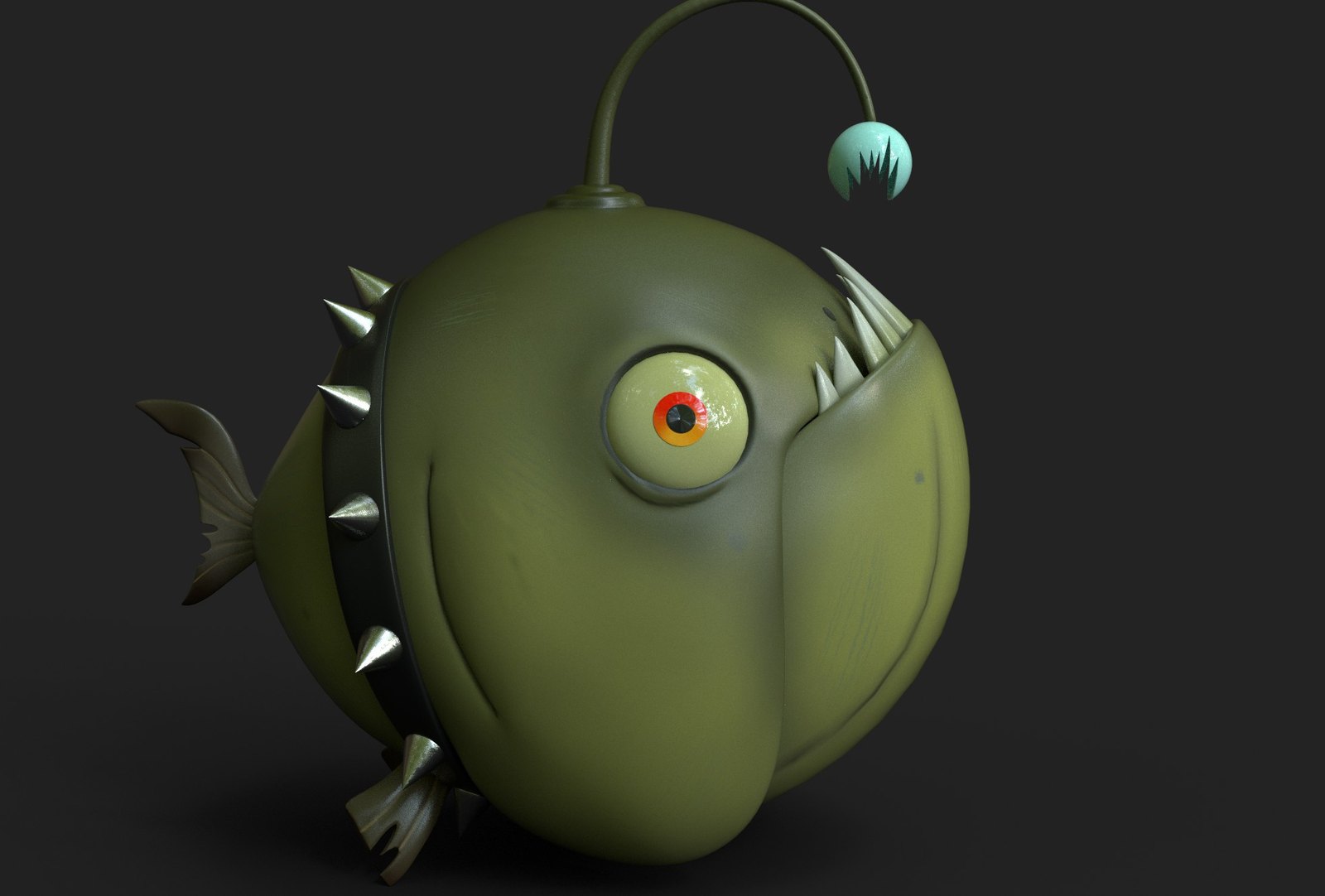
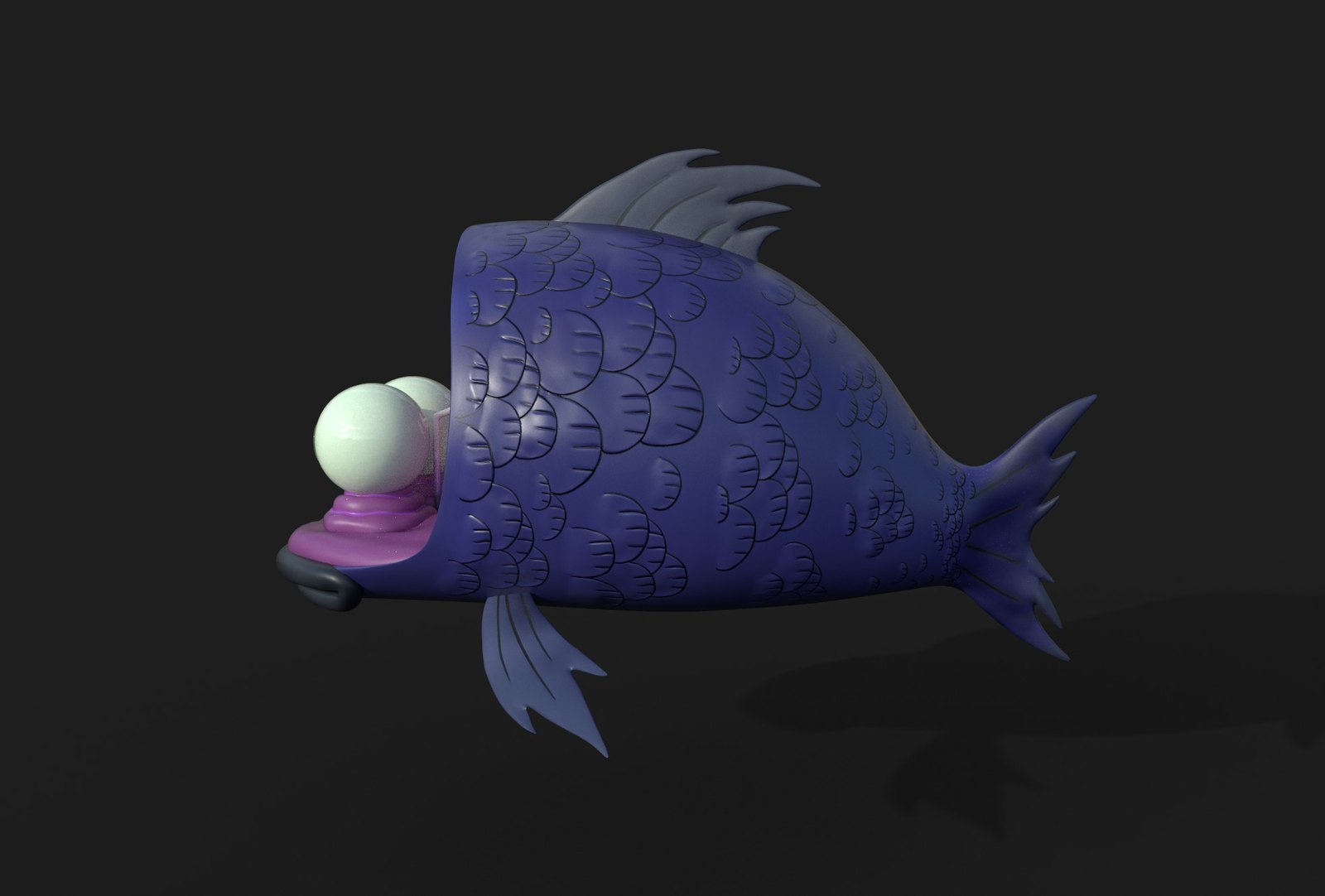
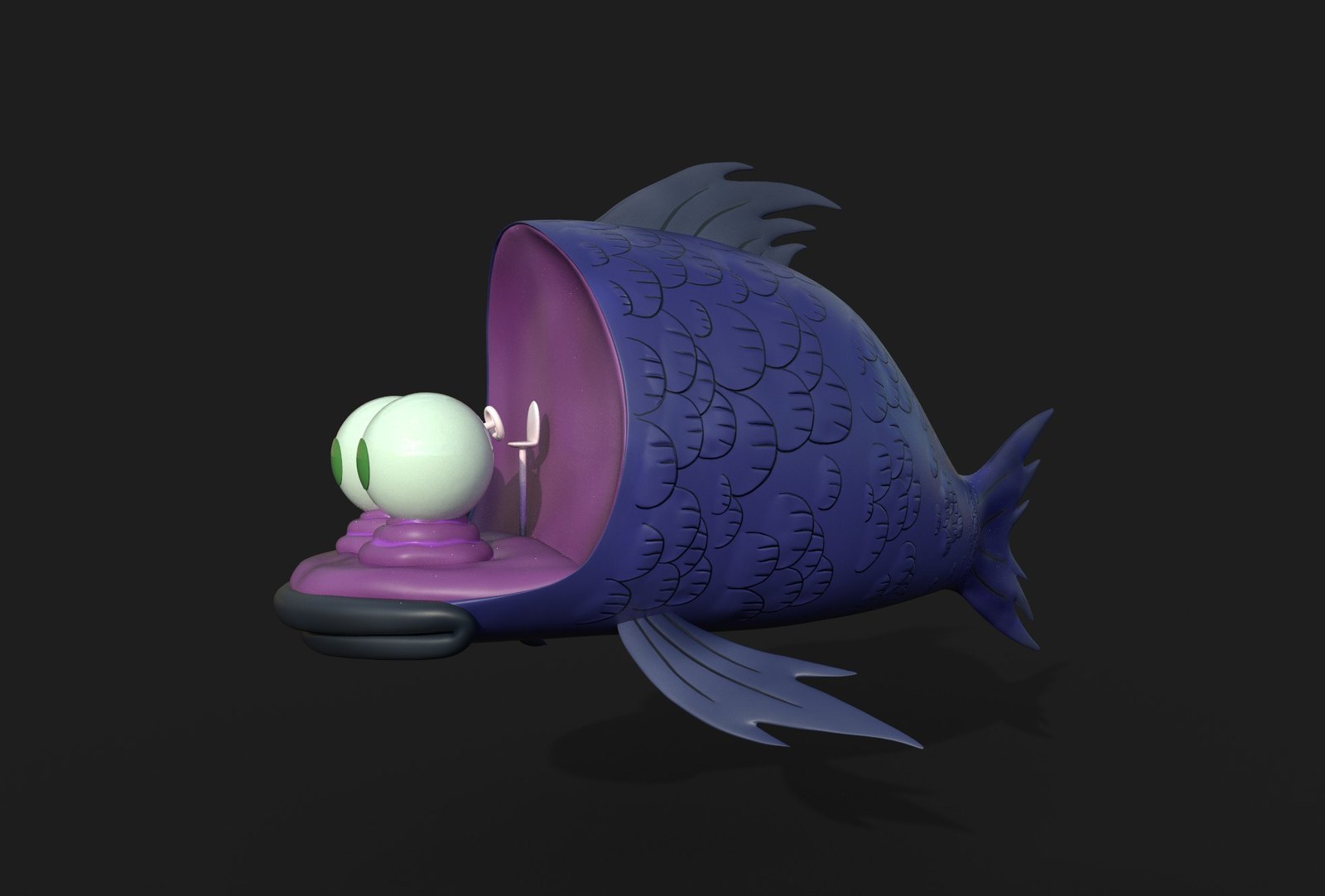
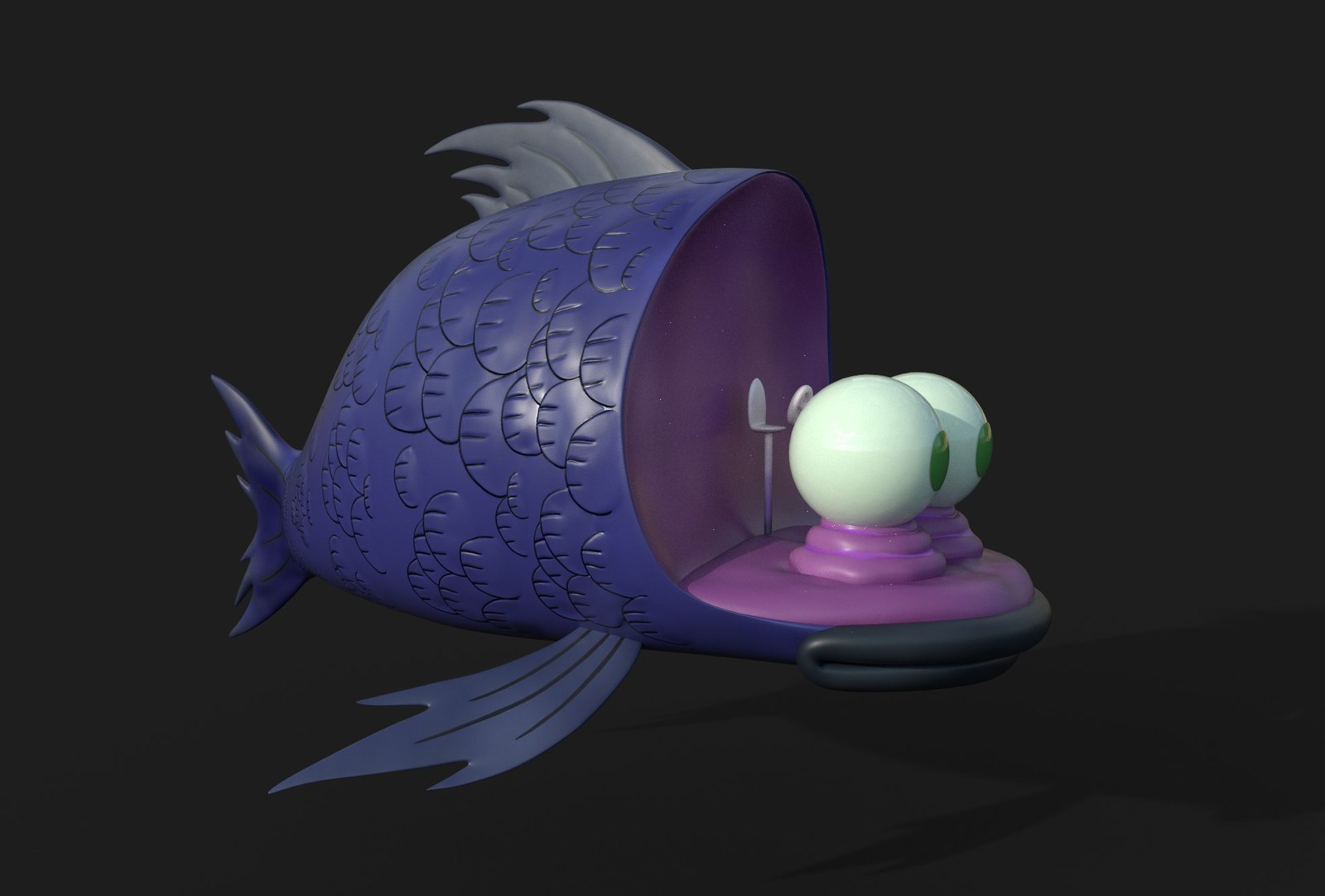
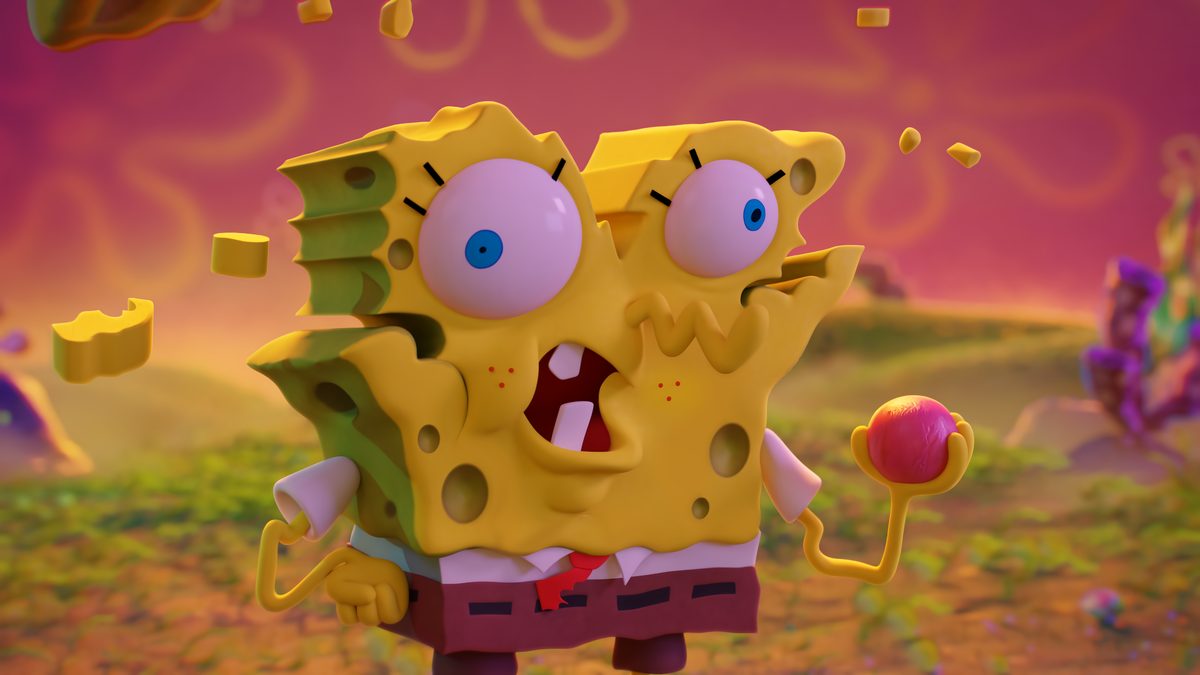
Squash and stretch, sculpted: cartoon deformations rebuilt as CG models.
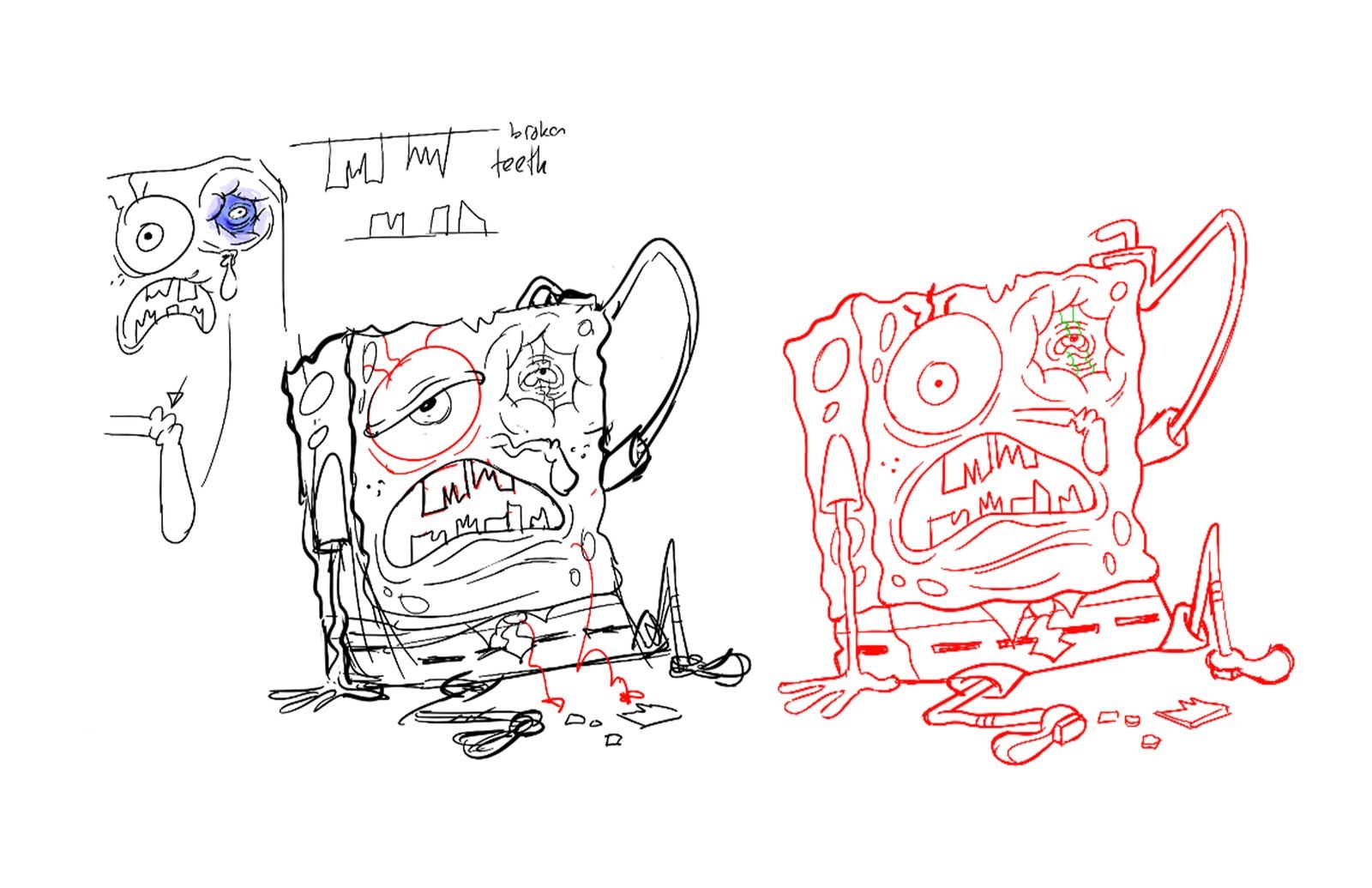
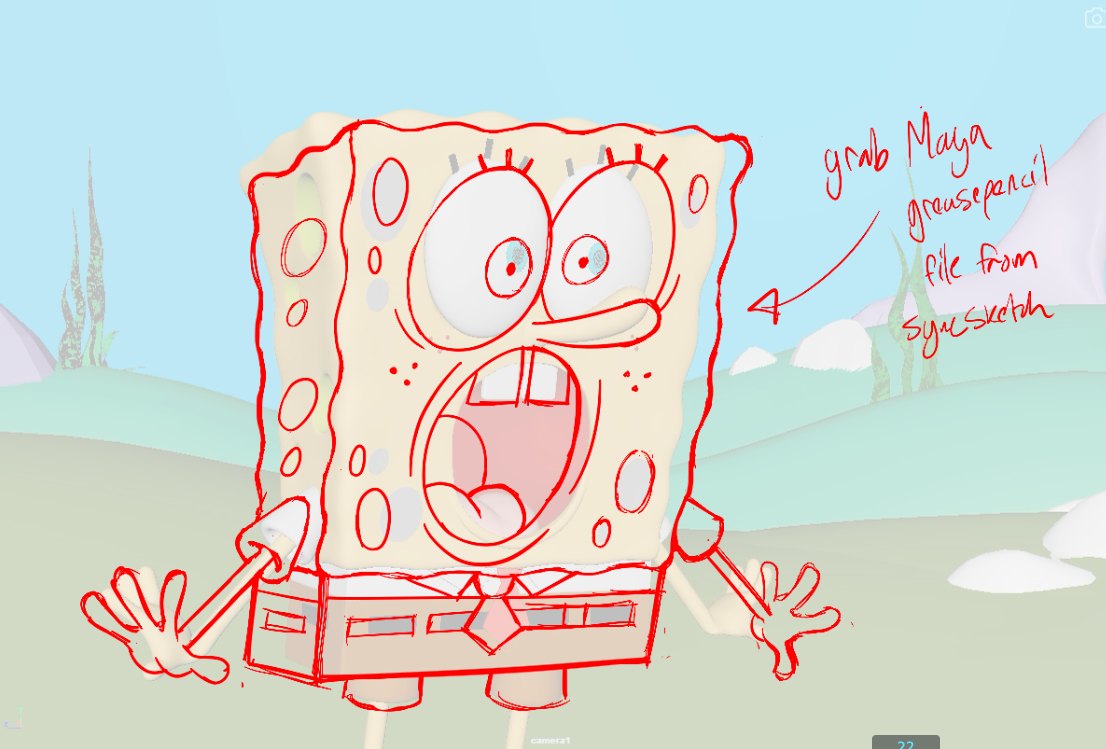
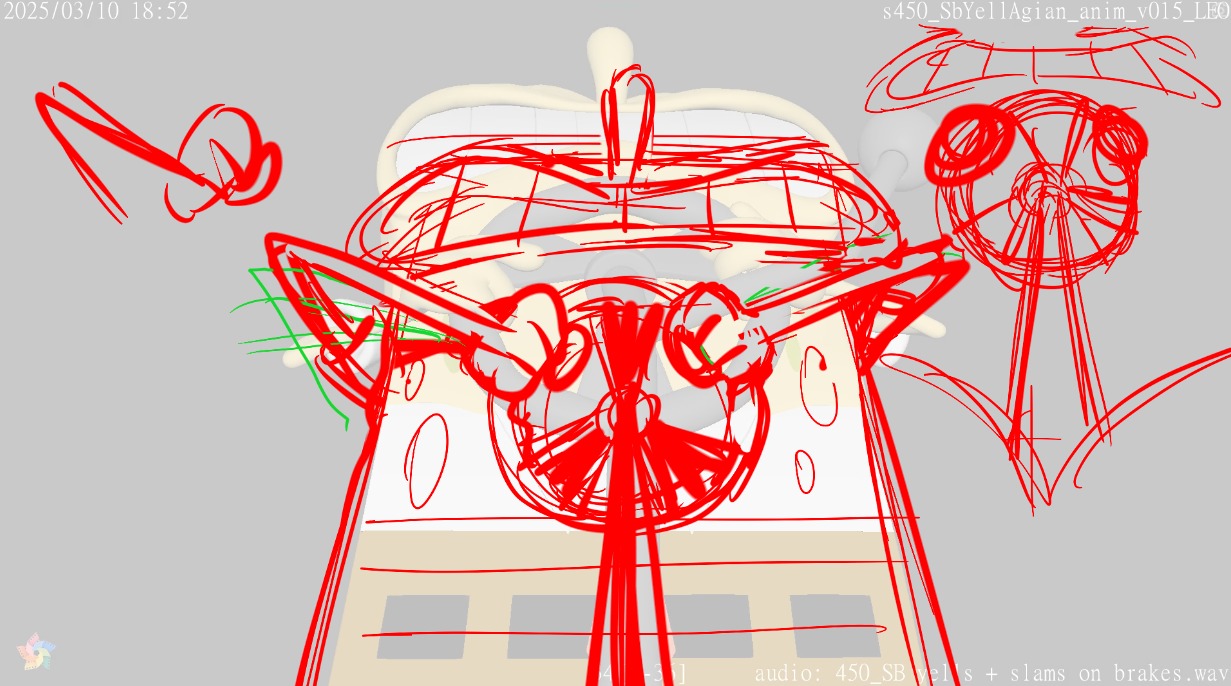
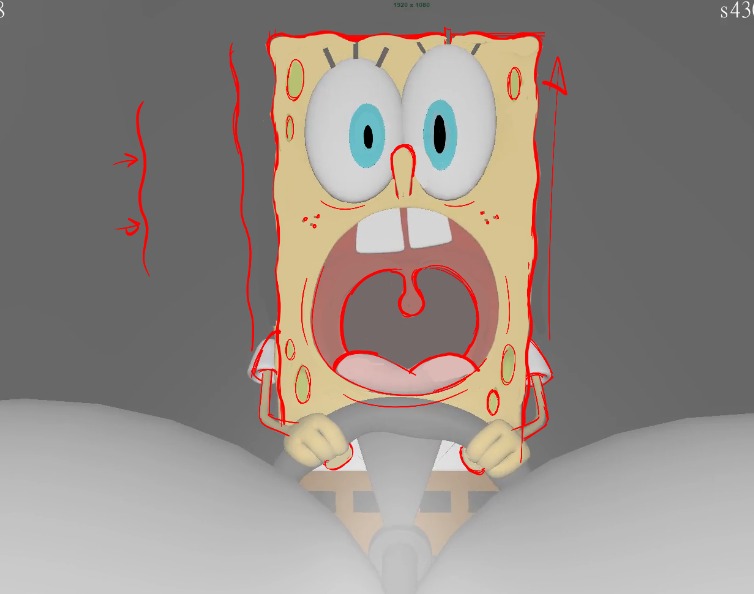
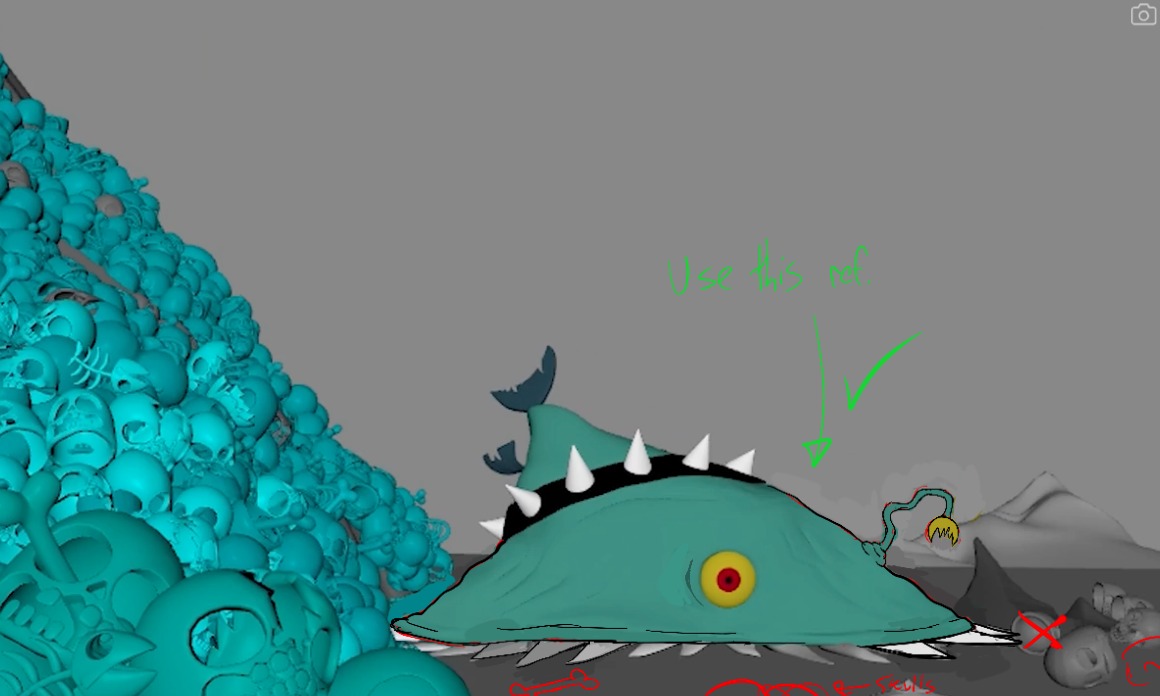
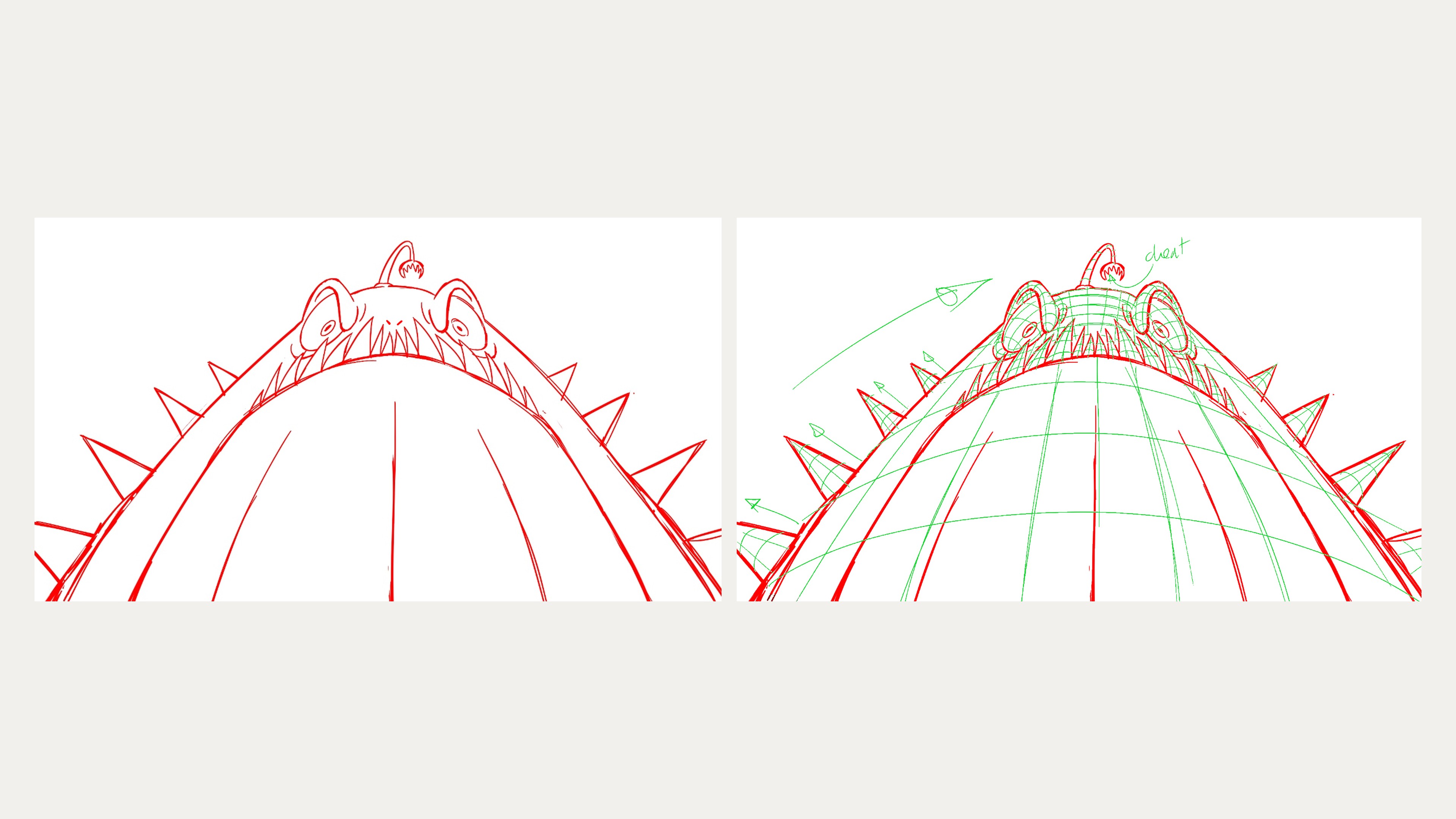
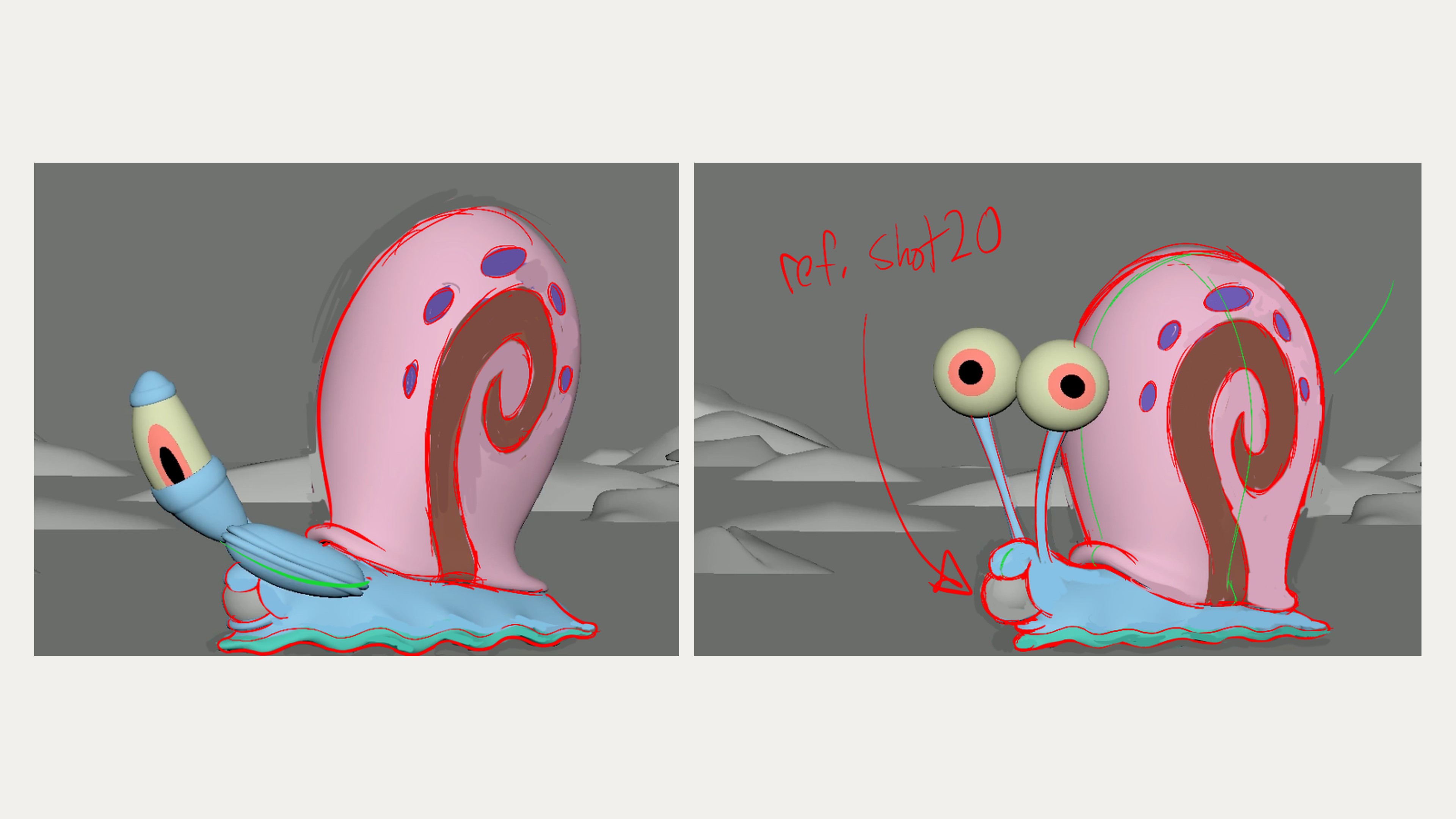
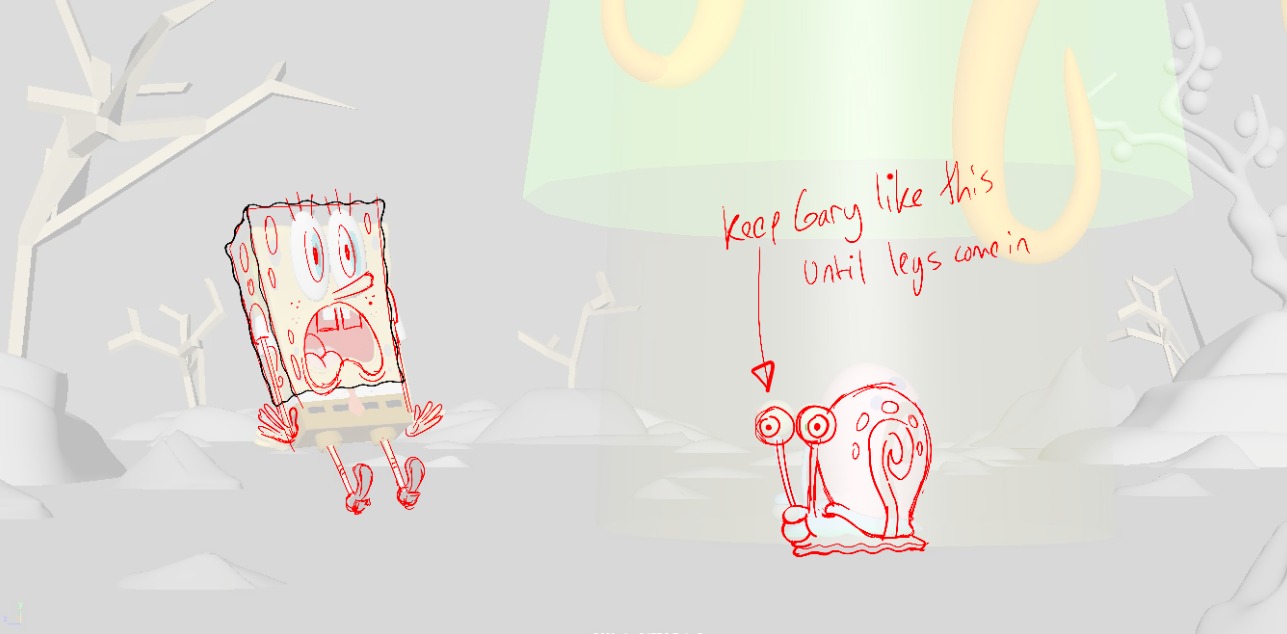
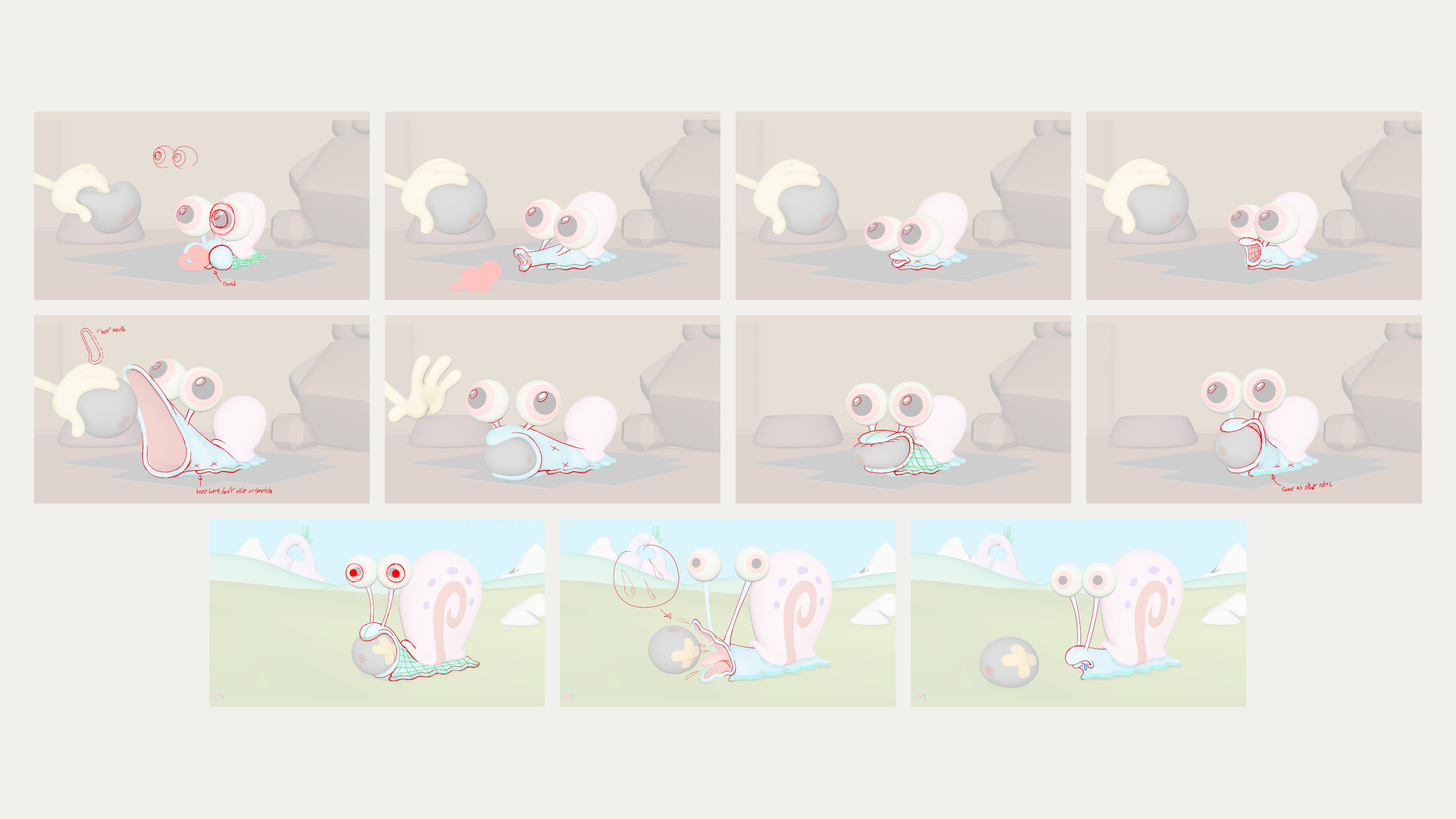
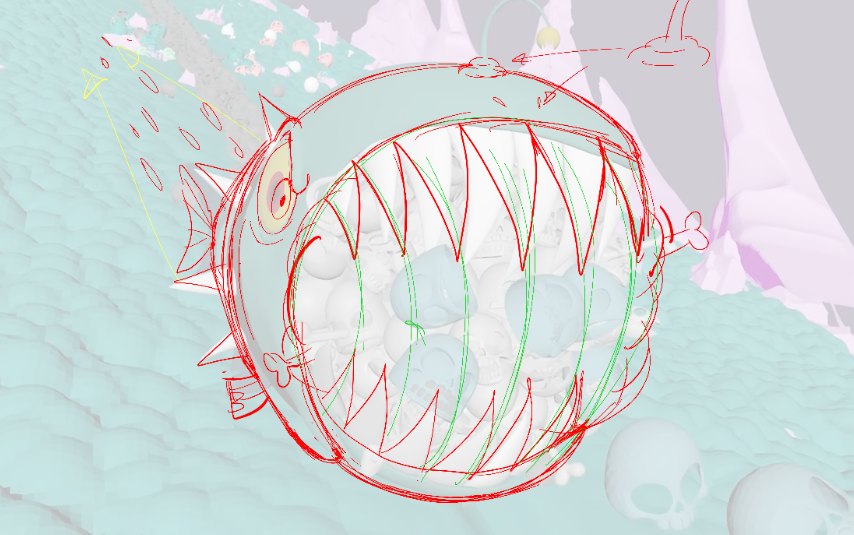
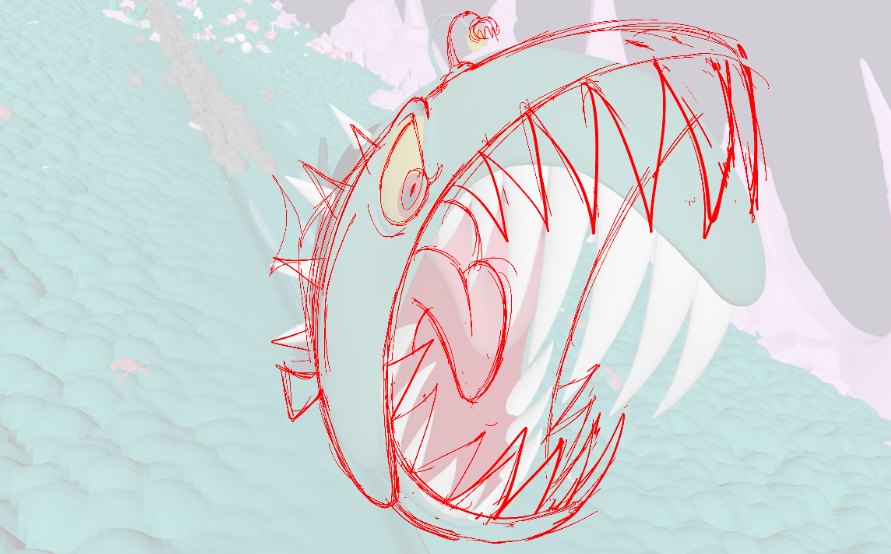
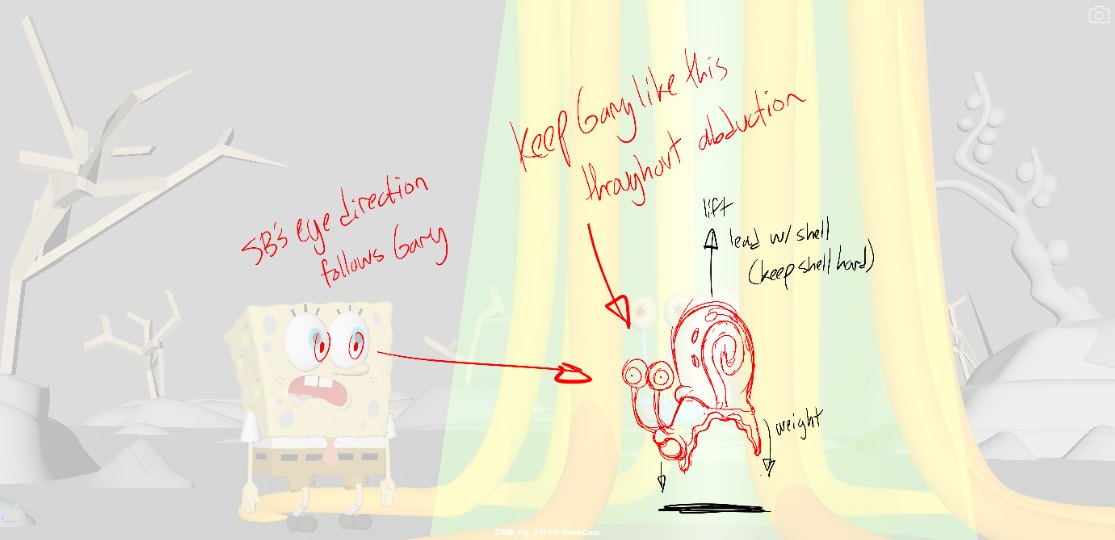
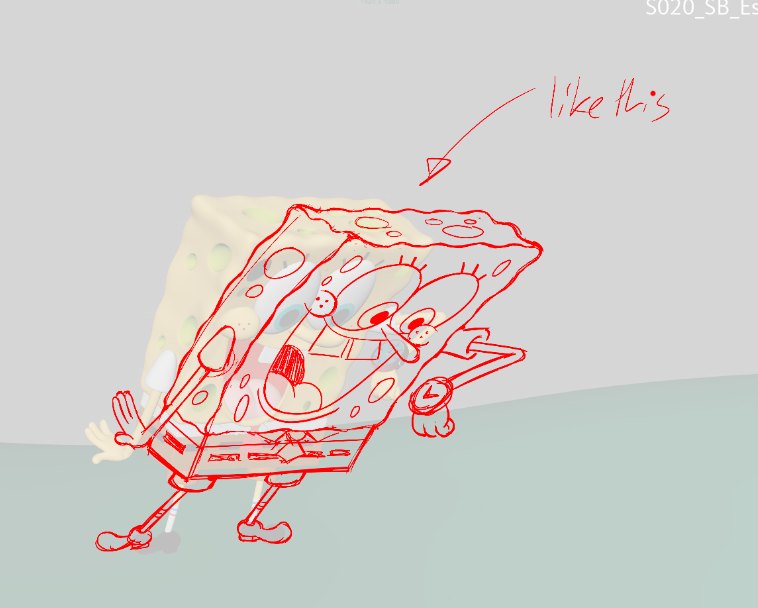
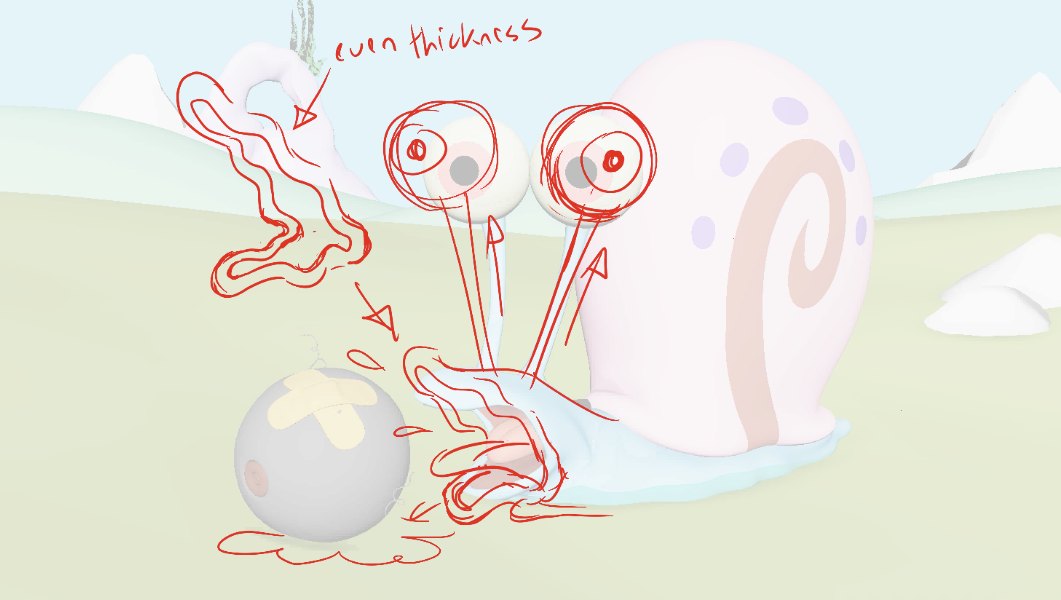
Animation Notation
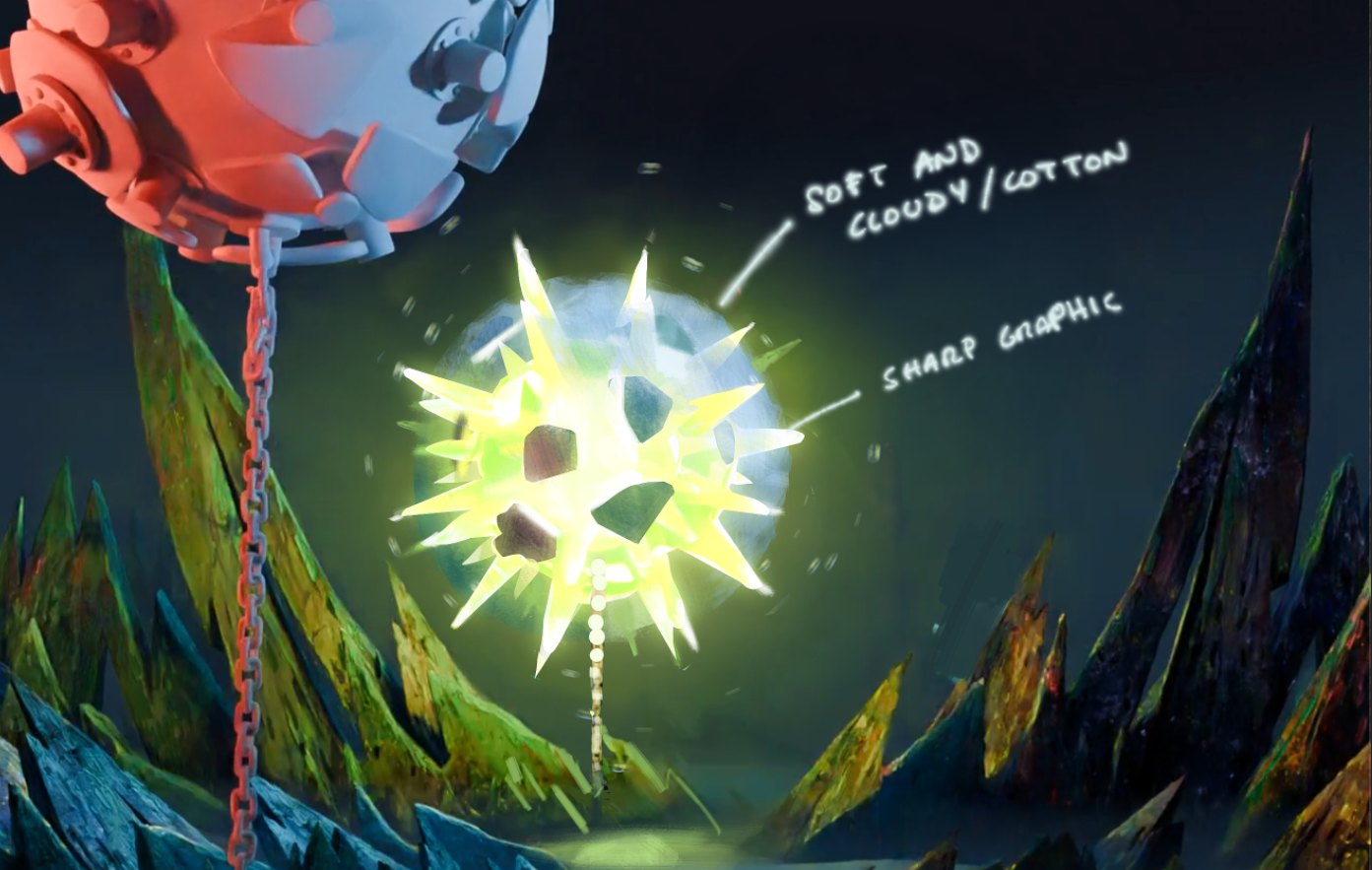
Notes for the animators, drawn straight over the playblasts.
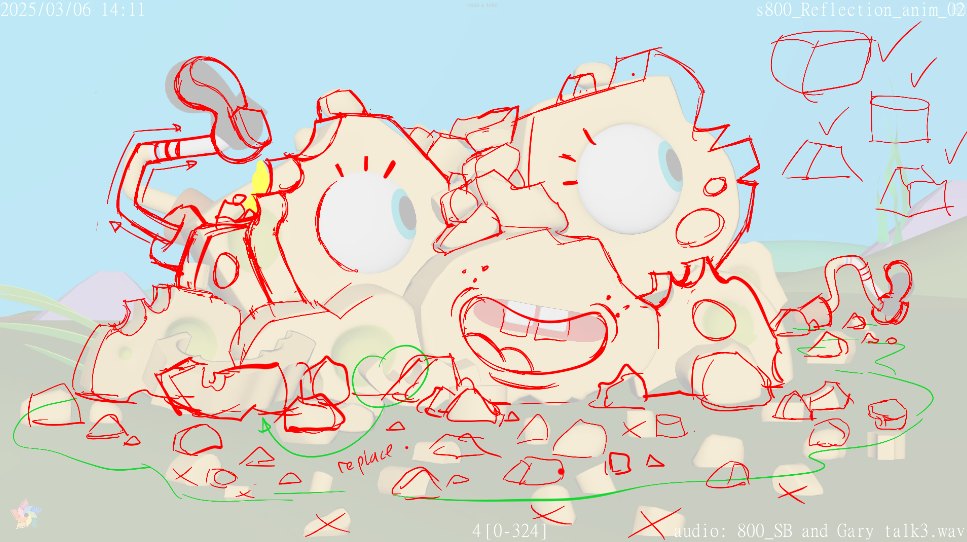
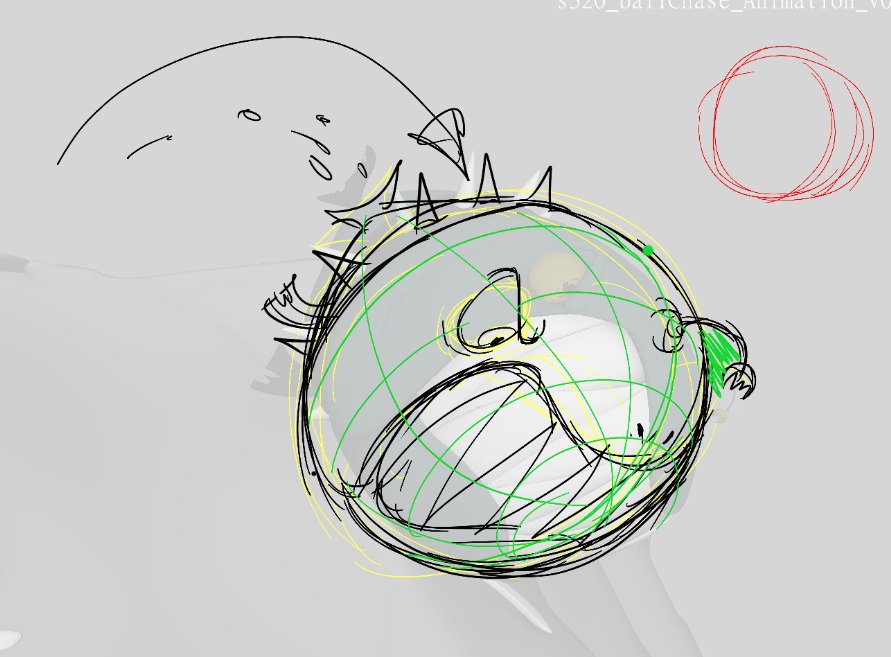
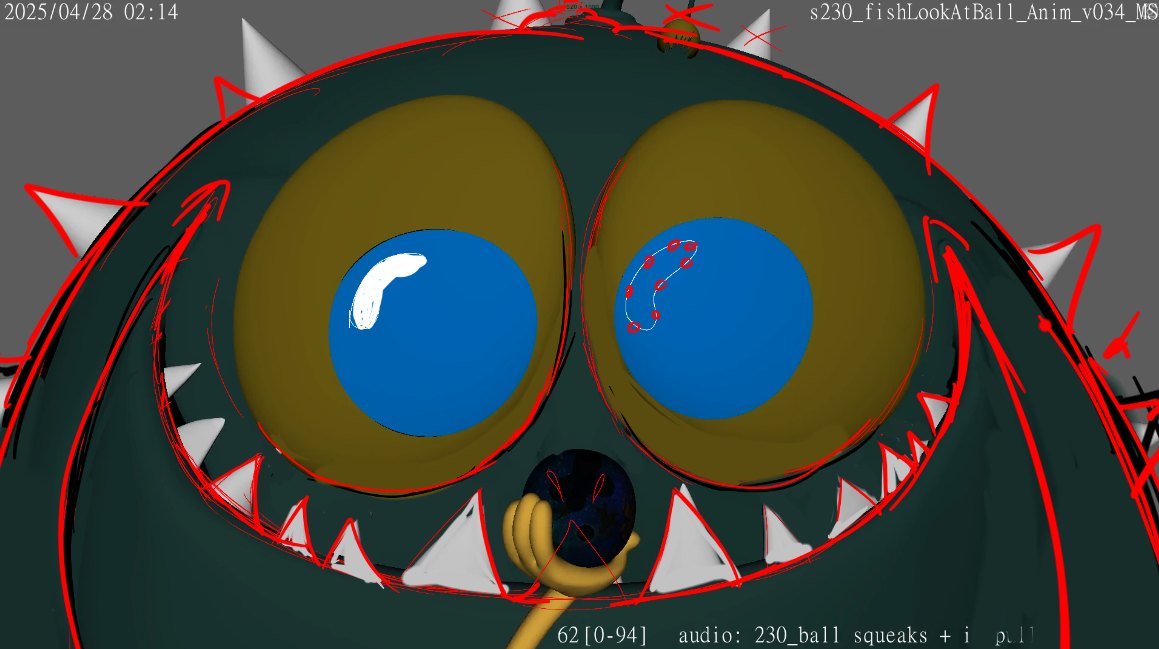
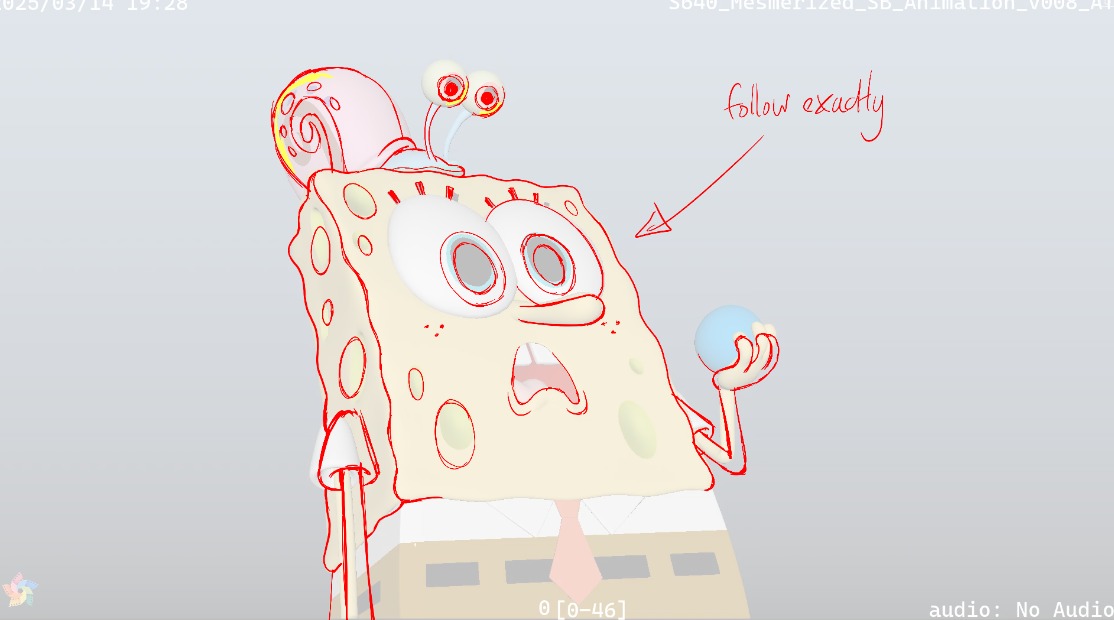
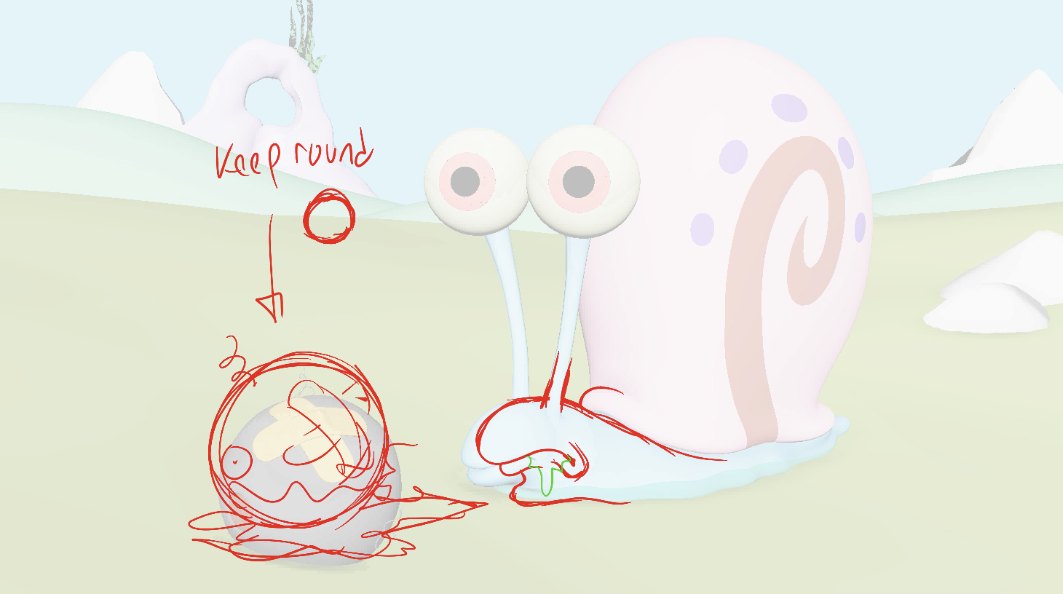
Animation director: Olov Burman
Rigging: Kippcase

October 3, 2025 · Nickelodeon
Premiere and Response
“Go Fetch!” premiered on Nickelodeon on October 3, 2025, and was selected for competition at the Annecy International Animation Festival in 2026.
Some of the reactions online
“CG of that quality is RARELY seen on something meant for TV.”
“The animation is so fluid and dynamic, the character models look great, the color grading is so pretty.”
“A perfect example of how CGI Spongebob should be animated!”
“Go Fetch!” proved what a small, creator-led team can do at full production quality. Since it aired, Pinreel has taken on larger commercial productions, and we’re developing original features alongside our series and shorts.
